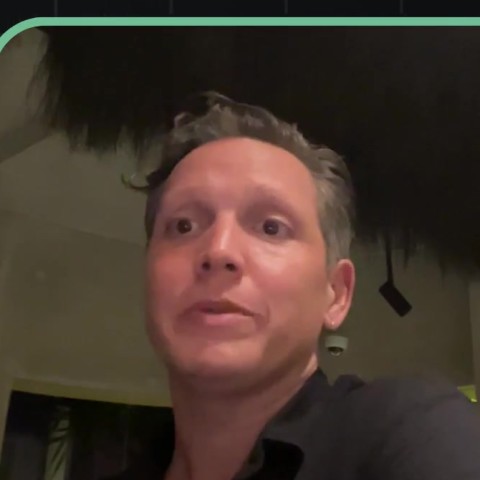
Chef Syrco Bakker rethinks fine dining with conscious sourcing, team-driven creativity and a daring reinvention in Bali. Hear how he turned philosophy into a scalable hospitality model with Syrco BASÈ, from product-led dishes to market strategy and leadership lessons.
Syrco BakkerChef & Co Owner
KEY TAKEAWAYS
01
Create a sandbox culture
Build a 'sandbox' where chefs feel safe to share family recipes, techniques, and feedback. Set clear boundaries and a 'box' to play in so creativity can flourish while service standards stay firm and roles clear.
02
Reinvent to take leaps forward
When growth flattens, take a side step to reinvent. Leaving familiar awards-driven routes can reignite creativity and let you take big steps forward. Challenge yourself, accept risk and rebuild around your values.
03
Phase your market activation
Launch broadly then focus: year one cast a wide net and collect data; year two build partnerships and refine channels; year three target a primary market to fill covers consistently and sustain the business.
“
I think it's very important to create a culture where people feel free and confident to give their feedback.
i really believe that people will more and more select their hotel restaurant clothing brand with their values welcome to the f and b advantage part of the jufiter hospitality podcast where we explore how dining concepts shape brands experiences and long term value my name is gabi and today we're going to talk about reinvention what does it mean to move meters and meters away from where you were and start again with a completely new culinary story serko bakker built a two michelin kitchen at pure sea and then made a bold decision to open the new concept in bali he's known for his creativity and for always searching the next thing and even when it's comfortable he always dives into it in this episode we explore how concepts can become both deeply personal and commercially scalable and what happens when a chef turns philosophy into a business structure serko for the people meeting you for the first time how would you describe what your focus on the day to day is well good question well i'm a chef i'm a culinary creator and i want to create hospitality concepts restaurant basically my background is in the kitchens that are fitting with a conscious lifestyle so we that are aligning our values working with traceable products local products and giving a platform for the people behind the products but also for the team the people we work with so we well we just try to make conscious decisions well providing a dining experience and why the focus on the consciousness is because of like things that are trending right now like scalability but also sustainability for example is that why the local products are becoming more important for you well i felt always already connected with working with products around the regular the restaurant that's also what we did in katzan with you seen but also we had to there provide provide a dining experience that fits with the well that with the idea of how dutch or belgian people see a michelin star restaurant which is well french style restaurant white tablecloth silver cuttery the best products from all around the world all these things are quite protective predictable in a way and for me it's i want just to go want to refresh and to go a layer deeper and for me sustainability is about long term thinking and that's about that's and it's super diverse so that's long term term relations with the producers but also creating development programs for our team but also in sustainability making choices how we do our waste management yeah these things yeah and let's go back to the start because i think if people hear your name they think of bali about michelin stares awards but what drove you to the kitchen well actually my my father was when he was young he was a chef and afterwards he worked in the hospitality management school so when when the family is there they always ask oh do you want to be a chef like your dad so i was of course like when you're young you don't want to be like well some want to be like a dad but i didn't want to do the same thing i want to do something different but when i was young i started working when i was quite young in strawberry farm to pick strawberries in plant trees in the supermarket dishwasher and i was always curious of what the things that were happening you know so when i was a dishwasher i was always like looking into the kitchen and asking how things are done and if i could help and the natural way i moved into the kitchen yeah yeah and that curiosity is that something also that new chefs should have when they are going to enter this this industry that's constantly like looking at things and renewing themselves or like getting new skills in that way i think it's always very very good to be curious with everything you do but also about everything because it makes you think in a way wiser it also moves you forward and you never stop learning right for me yeah i'm now like 25 years more than half of my life in the kitchen or in the hospitality industry and i keep on learning and developing so for me it's also like what i do now this year most probably next year i will do something different with the knowledge that i have them because you're just gaining new knowledge and new information and at this moment i just try to make the best decisions with the information that i have now and i know a lot about things about you and i know you're a persistent person you did a lot of interviews to get to certain kitchens to get there you did a lot of internships with different restaurants like the most cool restaurants there are but you are always persistent searching that that new thing and how did is that something you already had or is that something you learned or that's something that really needs to be in the industry for every chef well i think every every chef is different and i also see now some chefs who just like how you call it again it was just like never had like a mentor but you just like started in the kitchen and it also gives like a new fresh look on it but for me yeah being curious going into a restaurant where they where you just purchase all your half produced products and then you're like okay i'm i'm cutting this this this tube of frozen bavoa and but how is a bavo made and i'm scooping this mayonnaise out of a bucket but how was a mayonnaise made you know and then you go to another restaurant where they make all these things themselves and you move into michelangelo restaurants and then also in a certain moment you are like on top of the game working with the freshest products with yeah on a high base high standard high quality and then it's also it gives a kind of drive but also satisfaction to make it happen every day and just to perform like on a high level yeah yeah you're already performing on a high level a long time and you were already really young when you were performing on a high level if you look back to your younger self and i know it's kind of cliche but what would be like the advice like what are the things that you learned during your years in the industry well what i well i did the hotel management school so i well i was very passionate about the kitchen but then i want to just be like in a way like wider educated so that's why i kept all the options open and then i kept on like working in the weekends and doing the internships and my holidays and so on and then the last year of the school that i did was an internship and was in the liberation three stars and then i was actually planning to do a bachelor in the hotel school the hague but then i really felt like okay i'm supposed to be in the kitchen and i can keep up with the team and with the guys and with the girls so then i really decided okay i want to be in the kitchen and i want to learn and then well then it was also very helpful that my dad was understanding what working in the kitchen means and then he just said okay learn from the best so then i mostly worked in three star restaurants and did different restaurants and i think that's that's very important doesn't have to be like a three star restaurant but just different kind of restaurants in different part of the world maybe different different kind of approach i think that's important to because that's shaping your signature in a way and you learn maybe things that that you want to use and that are helpful for in the future but also some things that are maybe not aligned with your vision or align with your with your standards so then you could but then you also know right so it's i think it's always like a learning process i think that's very important for yeah for everybody want to be in the hospitality industry to work in different companies and do diverse kind of restaurants hotels just to see and to learn and to just also understand what's fitting with with your personality yeah yeah and can you maybe for example describe a dish that truly represents your evolution of these years where you maybe say like this is my how i evolved as a chef yeah how it changed over time your favorite dish to make or even your favorite product to use within your dishes yeah that's a hard one it's of course every time different well a dish that i did in uc was a nasi goreng with shellfish from zealand and some seaweeds that was really like well i'm half an asian my grandfather's from java grandmother from sumatra so i grew up with these flavors so that was that's really like the roots the flavors where i grew up with but also the place where i lived then so that was a combination of these things but i very much see a strong development through the years you know as when i was a young chef in qc i was yeah i you just can see in the kitchen that you are so insecure and you want to show off and you want to put like 25 elements on the dish to showcase like hey you see what i can do and i can put five five comes to place for 100 people every evening on a dish you know i'm i'm i'm skilled to do that you know that was and and then during these years these 13 years in poc became more mature and more confident and we were looking more for simplicity in a way and now i think it's very well we still like we are two years open with circle basic and there we also like well finding our way at the beginning we did like indonesian dishes flavors that we want to like deconstruct or elevate in a way but now it's still i think now it's very much product driven it has to be recognizable we want to really give a stage to the product and so do the best preparation and put some indonesian influences in there and with the techniques and the signature and everything i know from the past years yeah what i love about chefs is that to be honest it's like an art form that they're creating right they're using these different products and creating an experience something beautiful how do you start that process is it for you you have this amazing product or do you start with already in concept and then find the products that you can integrate in it well it's actually very different but now here in bali the setup is very very different as well because we do like every two months a gem session with our team so we just make classic indonesian dishes so i learn a lot from that can be rice dishes peppers sotos sambals and so on and this inspiration or sometimes also just the whole preparations i use in the dishes that we that we serve in the restaurant i have an r d chef who is constantly developing techniques and dishes and and it's it all started with ideas and it's some some creations takes pick a year some a week really depends on yeah just just have to be right and sometimes just take longer but it's it's not really like i don't feel that we really in a way like following one structure like okay we do these steps this is step one and then two and three no it just starts and when we move into a new menu of course we want to streamline more and we want to create concept around it and do some storytelling but it has to start with just like creativity and it can start from a product from historical story it can come from everywhere yeah yeah you're not only a chef you're a leader right you're leading your team you also have like an important role with pure c how do you establish creativity within also the team and having that synergy to create yeah cool experience in that way well i think it's very important to create a culture or synergy where people feel because everybody has their experience and their knowledge can be from a family recipe but can be also from different restaurants can be from everywhere so i think it's very important that we create an environment where people feel feel feel free feel confident to give their feedback and also to say like oh you did this this duck dish i i learned to make this duck dish in another restaurant in a different different way okay let's try and let's see what's what's what's better but also somebody can say oh i have this family recipe for my grandma and she always cooked it in this way oh let's try it as well because i think i really believe like to create this this this dimension it makes the creation stronger because yeah i have some experience but i want to learn and i can learn from from my team and i think it's it's very important to and for me it's also more refreshing and i also feel it's circle bass is a story of the people right the people the producers the cicobaza family which is the team so yeah it's actually very nice when we can represent my kitchen team and all the individuals in the menu yeah i love that but there's also another side of the coin right your guys are performing on this high level fine dining experience and doing i think a lot of people don't know if they are not in industry like how high tempo high performance it is so how do you keep that balance also like having to lead the team but also having the creativity how do you balance that well it's a good question but it's always finding a balance right and you're also always searching for the right balance and it can be every time different depending on the team on the environment on the situation and well since i was 25 i was leading the kickstarter so from there on my development started and then i see every year how my leadership changed in a way and there is i feel now for me it's very important to have what i say like to set the boundaries very clearly and create like a box where everybody can play it you know and but still i always feel it's important that there has to be some leadership right and it's also what what i feel when it's a busy service when it's everybody's a bit insecure like okay what's gonna happen and so many people and well everything will be will be will go into the right direction then i think then you have to show your leadership and say okay i will lead just everybody just do your job and we get through this together you know and i think that's and then then you can say like oh yeah everybody's talented and do whatever you want because then it becomes a mess you know so i think there it's it's it's important to stand up what is necessary and for me like set the clear boundaries and what everybody is for me when the communication is right and everybody's honest i think a lot is possible really long as possible when things are not communicated and there are surprises and things well especially if things are not going right because because it's not necessary then yeah then i'm sometimes disappointed but then also i think it's it's always from a leader side we have to question yourself did i do everything to because it's very easy to blame your team or blame your team members or whatever but i think first you have to question yourself okay did i do everything to make sure we made it right and if you can improve there with another briefing or training or an extra communication moment and so on then you have to just that just implemented yeah i i love that like communication is key if i hear your story and having those boundaries and and the sandbox you you'd set box but i was like literally thinking about a sandbox where they can play in and and have these new ideas but is that also like what separates a great chef versus a great hospitality leader in in a sense if if you own the restaurant and you do everything it's a different role than if you are only in the kitchen in that way yeah of course of course it's only it's it's a different role for sure but it's also it's it's in the in the end kind of the same because when i did my internship in liberia i was in a certain moment like i wasn't in the pastry and i i was well i was taking some responsibilities but then when things went wrong then sous chef or a chef spoke to me and told me like hey things were not not right tonight or you dropped the ball a few times well my team maybe was dropping the ball making the making the errors of the failures so then also like it was like then i learned very fast okay when something is wrong in this section i'm the one responsible so the seniors will speak to me then i can just leave it like that or also tell my team again like hey guys yesterday this was good this was not good pay attention there and this is now i think with entrepreneuring the same okay we go to lower season months share your feeling your worries maybe the opportunities so everybody feels in a way like everybody has some understanding where we're going through as a company yeah yeah and i think you have a lot of responsibility already when you were really a young chef at 25 and what i'm really curious about is like what felt riskier becoming a head chef at 25 or moving to bali and start from scratch that's a very easy question i think for sure it's more risky because when i was 25 i just some people say okay was it too young yeah maybe it was too young but i had nothing to lose right so i just learn by doing i made mistakes i learned from it and i moved on and well having a kind of reputation and then put it behind you and start up from scratch like in a different different country different people different products of course it's much more risk yeah yeah what's the pressure you the most about yourself during that transition like leaving everything behind and going into the not only a new country but a whole new continent yeah well it's for well to to clarify for me it was really after 13 years you see i was like okay let's shall we move to the as a as a chef you just make your logic steps that that's that every chef makes so you go for coming to cdp to sous chef and to head chef to executive chef and these are all logic steps but it doesn't mean that it's really like that you get more energy out of your job or it doesn't mean that you sometimes you go past the essence why you became a chef so from there on from you see with the two stars then the second step is maybe three stars but we push ourselves in a kind of environment and method that is maybe not anymore like feeling connected with me so then i was like okay can we shall we do something continue with something that is that how it's supposed to be in the culinary world or is it now time to cut and then and to do something different of course in different environment i really needed it because sometimes you really need to because i really believe if i would open a restaurant close to patent or in netherlands or belgium i would say oh you have a new signature and i do something different and blah blah blah but you know the gas and you know what works so i think automatically you you're going into the same direction again and then a few years later you just do the same formula because you know it works so from that side and yeah i think it was a good moment to challenge myself to jump in the deep and just really and also reinvent yourself in a way and i really believe because of this for me it feels like a side step to make again like 10 step forwards instead of a route or a trail where you're on where you can still make five steps forward but then you are on your limit so it feels like a sidestep to make again steps forward and do something really that's close to my values and my vision yeah i love that it's like a path that not everybody's taking it it's just so different and innovative and sparking that creativity what i'm curious about is you're starting this new concept from scratch in bali how do you get the word out to new customers to get in the restaurant how did you do the marketing for that well it's a different market so it's for sure totally different how you have to activate it and at the beginning it's just well i think we looked closely where our unix selling point point is so they're not really michelin star chefs in bali so that was something that's special so that's also what we communicated a lot and then it's just in a way getting the word out in every in every kind of direction and that's that's that's what you do the first year to do as much as possible communication but also create small get data and see okay this worked it didn't work and then the second year you well you try to direct a bit more create a bit more clear direction of your potential guest and of course in netherlands and belgium there are a lot of potential guests but we cannot fill up our restaurant in the whole year long with people from europe so our focus market now is jakarta singapore hong kong and australia so that's probably and then we do just like i really believe in a certain moment in the beginning you just get the word out but then you do it through your own channels and that's through the moment it's quite limited then the second phase is finding partnerships corporations with hotels with restaurants with all kind of things and combine your communication so you can get in a way a bit wider but also with people or companies with the same philosophy so it's also building the rent in a way and now we are the third year we are focusing on a market where we feel like okay this is now after two years we understand where our potential market is and then we really like put a focus on one market and try to penetrate that as much as possible yeah and would you say like you know the market or you and the team know the market because in those first two years you were collecting data you were seeing what works what didn't work is that why you now have that perfect product market fit in this moment and at this moment we think that we have the perfect market but most probably in two years we look back and we say oh yeah look at us we thought we were doing something but it's the end of it no i think i like very much the process of doing things collecting data seeing what works and then make a plan shape the plan and redirect a little bit and then with the team continue with taking our actions and i think for us it's very for me it's very important with my management team that we take control of our own pace so we really need to make sure that we're not like partners where we work with are affecting our pace with slowing it down so for me it's very important and just that we take all the necessary actions and that we after a month or after a quarter of the year we cannot blame ourselves that we didn't take the necessary actions if it doesn't work out if the results are not what we hope for then we shouldn't be regret actions that we didn't take yeah yeah so fully stand behind your idea and philosophy and and go for that and believe in what you're doing if you like how do you balance the storytelling the product philosophy that you have with the reality of the foods and cost and the payroll yeah first of all for me of course i want to do something with purpose and create a dining experience that fits with a conscious lifestyle but at the end we're creating a dining experience and the dining experience the feeling that we want to create at the end of the evening is that people feel like okay i want to come back next week next day next month next menu because i had a great evening good food good drinks so that's the main focus and that's the main goal and then when we can in a deeper layer create some consciousness about decisions that they will make about things that they costume or about the waste how they will treat it that's an extra win but i'm not like i don't want to people are coming to a restaurant and not to a lecture they don't come to school they don't so that's i think that's very important to understand and then it's always finding like the balance of creating a healthy company because we have so many ideas and dreams and things that we want to that we want to create or that we want to accomplish to but beside that we also have to build like a healthy financial healthy company so that's always like finding the finding the balance and that's that's why also now like okay for us it's very important just to have full restaurant so from the marketing side that's why we also like very much like focusing now on one market and activate that one because we feel like that's the market where we can that will fill up our restaurant and from there on we can make all the steps and we can i think fulfill all our goals and dreams on the sustainability side yeah super interesting and you're talking about activation right and getting the people in the restaurant what was one way of activating where you were maybe first a little bit like i don't know if it's going to work and really was surprising that it worked really well do you have maybe an example of that well we do a lot of things to it and i always really believe that and i also saw it like in the netherlands because i had this this herbal liqueur brand then sometimes you were on this on the fair and then we thought like okay we paid amount of money for a stand and then and then after two days we were like there was really nothing you know it was no context no sales and then it was two months before festive season and then you get ordering of 2,000 gift boxes relationships gifts of somebody that we met there on that fair so i think always every action that you take you will something it will affect something especially these days i really feel like okay you have to be in top of mind of the people everything is moving so fast so it's like yeah if they see one time two time i heard like after seven times when you see like a brand then you start taking action after seven times so maybe this small event that we communicated or that that was like the the seventh time that we are on top of mind so people make the call to action to make a reservation or to do an event but things to yeah well we had one time like a micro influencer was not like millions of followers but this amount of followers was still like in this how can i say in this scale of being credible so not like every post like a branded post that we invited for dinner and then we had like i think 20 reservations because of this person so yeah that's for me surprising because it's also like a new way of promoting a restaurant and if you then find like the right person with the right audience and and that creates like a business for us and it's surprising yeah yeah and the top of mind thing is really interesting right being on top of mind and if people are thinking oh i want to go out or i want to celebrate my anniversary or something like that that they think about your restaurant and i think that's the key right then when a person wants to go out to eat the first thing they think about is the experience they had at your restaurant yeah yeah totally right and it's it's for us it's what what we see very well in in bali is that when people book their tickets then they make a reservation or when they they move to bali and they make a reservation to prepare for the for their holiday or for their trip and then just people who drive into ubud or people who are chilling at the swimming pool and they feel like oh at 4:00' clock oh we should eat somewhere tonight so this is really like these two audiences and the last one is very tricky and very hard to attract and to catch in a way so that's being constantly like on the radar yeah but it's quite challenging yeah no i totally get that would you say it's also maybe even easier to get people that already experienced like the whole thing to get them back is maybe easier than getting the new guest that didn't heard of it yeah but we have a lot of tourists who are visiting us but we see the word of mouth is always the strongest always the strongest and then when well and that's also our goal to create ambassadors right so people who are who come to our restaurant and feel like being an ambassador and everybody that they see on their holiday and they hear that somebody is moving to ubud and they say you have to go there because it's really great yeah that's the best way of doing your marketing yeah 100% people that are your biggest fan are the best ambassadors to have for a restaurant i'm curious because you're a curious person always learning always looking are you happy where you at right now are you there where you imagined to be two three years ago yeah but well are you happy yeah it's it's i always have like my goals in mind and i always have things that i want to accomplish but it's yeah well i'm i'm very happy how things are going but i think we also have like still a lot to improve so that's yeah well i think we of course i'm happy where i am now and i'm very happy of the step that i made and i think very much from creative perspective is is the right step and yeah beside that i think we also for the next five years i still have a lot of things that i want to accomplish and it doesn't have and then well there i think the focus changed of having being chevron of the year or having a michelin star or something like that i think now it's more my goal is to create hospitality concepts that fit with the conscious lifestyle in different part of the world and on different levels just want to show because like in in bali what we do here it's it's kind of our flagship but yeah then a lot of people can say oh yeah but in bali yeah of course you can do it in bali and i just want to showcase like for example now with farmers basia rosachaima in the desert in the uae we can still take our steps that are close to our values traceability nature and transparency and of course not 100% but we still can take our steps and hopefully be inspiring other restaurants in the uae to also take these steps and not saying oh we are in a desert we cannot do anything and we have to import our products because nothing is growing here wow yeah i love that and i think it's interesting that maybe fine diet eating is too focused on our works right now and it should be more about also the lifestyle and what you're presenting in that way would you also recommend new chefs to take this step that not only focusing on the awards and on the stars etcetera but also really looking inwards and seeing if they doing things with the purpose well i think everybody should do what they believe in and what they're what they feel good with and really stay true to that i think that's that's very important but for me well i really believe like because when i was in poc we were connected with the region we worked with local suppliers but then my interns from portugal they asked me oh but this this farmer how is he farming and what are you doing with your waist and what so very asking very well specific questions and i was like well quite surprised i said wow they are really like selecting the place where they live or where they where they live and work with their values and with their lifestyle and then i thought like okay if this is these guys were around 20s but if this is developing in the same way then in 10 years these are our guests in the restaurant and i really believe that people will more and more select their hotel restaurant closing brand with their values yeah yeah i love that it was actually a question that i wanted to ask right now because we are the future of hospitality and i wanted to ask you like where are we going but you took that question from me but i'm curious and that's also my final question about the future what kind of chefs or leaders does the industry need more of at this moment what do we need more well i think it's a good one what do we i think all kind of leaders we need of course but it's i think for example in europe i think leaders who are supportive with the goals of all the team members so what we are doing and what i also did in puc we're just creating development programs and here i see very very clear in body some people just are happy with the job they do they don't want to want to promote they don't they just want to stick with their responsibility because they're happy with it and they don't have too much stress good fine yeah we have to respect that and before in the western world i was more pushing everybody to make steps in their career so i think that that's also good and then it's also well create stability in your company but beside that if somebody wants to be a sous chef or a head chef or whatever yeah just support them with reaching their goals and well i think it doesn't mean that for me that means just okay i just ask then one of the team members okay what what do you want to achieve which steps do you want to take on which timeline where can where do you need my help or support and then i just like support if they want to learn technique or learn something of managing a kitchen or learn something else fine or they want to learn something marketing and do it cross training yeah just being supportive but the team member has to be in charge and is responsible for their own dreams so it's not that i think a leader should shouldn't hold the hand all the time we just should remind sometimes like hey i thought that you want to be this serious and focused su chef maybe maybe you have to focus now then because you want to reach this goal it's not my words it's your words but i think that's yeah i think maybe that's it i think that's a lovely goal like having more that mentorship and having that responsibility circle i really want to thank you for this really cool conversation about different things about responsibility but also about innovating reinvention and local products i wanted listeners also if you want to see the video or see clips of this interview follow us on youtube you can listen to this on spotify and i wish everybody a really nice day and thank you so much again serko of joining the future of hospitality podcast the fabian advantage thank you very much for your time it was fun to join this podcast
NEWSLETTER
Stay up to date
Every other Tuesday we send the latest episode, the key debate inside it and the one number worth remembering. Two minutes to read, no spam.








 EPISODE · 44 MIN
 Syrco BakkerChef & Co Owner

%20copy.png)