















 EPISODE · 39 MIN
Hotels need leaders, not more systems
Clare Anna Gamon of London Rock Partners reveals how agile hotel leadership strategies and people-first management revive underperforming properties. She explains blending tech for pre-arrival efficiency with warm human hosts, and shares hard-won lessons on focus, transparency, and building winning teams. Essential listening for hotel owners and operators.
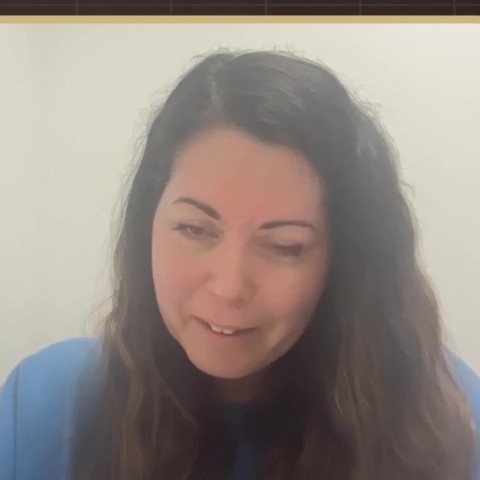 Clare Anna GamonChief Commercial Officer
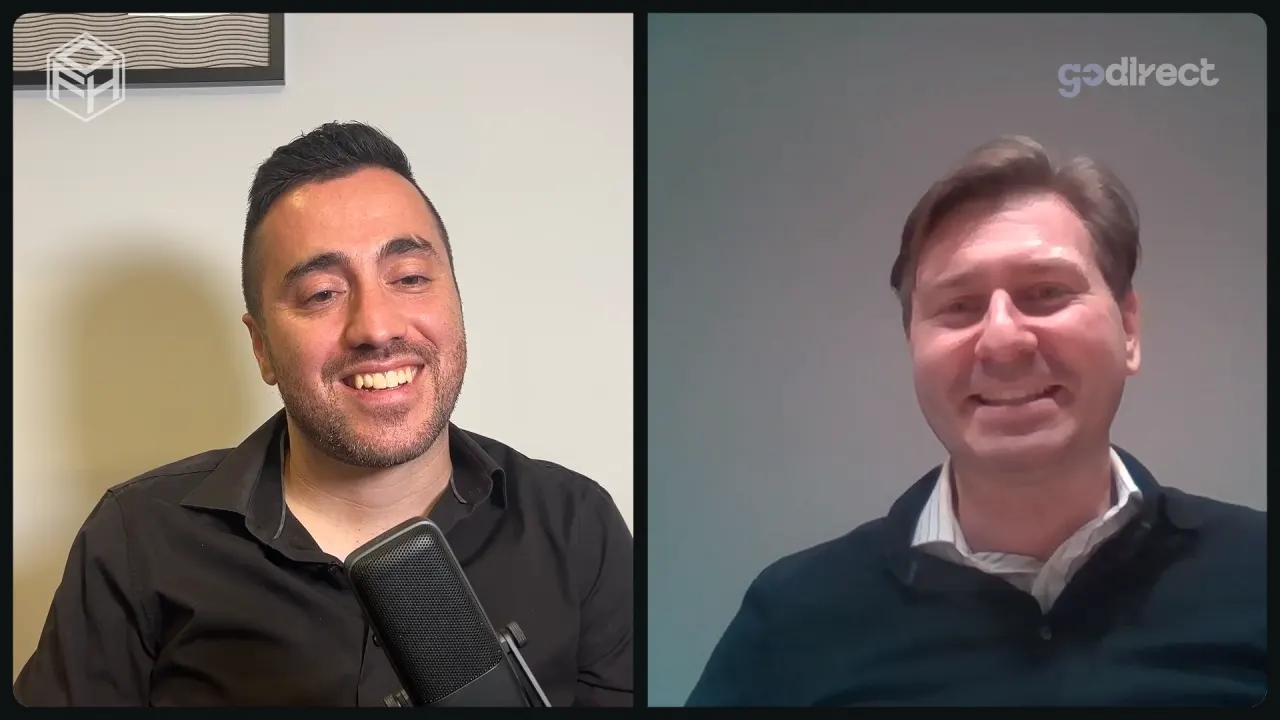
Clare Anna Gamon, Chief Commercial Officer at London Rock Partners, gets called into hotels when things have already gone wrong. Her diagnosis is consistent: nine times out of ten, a troubled hotel has a hotel leadership problem and a lack of autonomy, not a shortage of systems. She explains how her firm gives general managers real ownership, why owners now want shorter management contracts, and how technology before arrival frees the front desk to do what people do best.
Why a struggling hotel is usually a leadership problem
Gamon sees hospitality as a business about people, whether they are guests or team members. With the right people, she says, there is not much a hotel cannot do. Digital check-in and digital keys are changing frontline work, but in her view there is still room for great people.
When her firm takes on an underperforming property, the gap is almost always at the top. A general manager has to treat the hotel as their own business and genuinely own the monthly profit and loss accounts they submit. That feeling of ownership only comes from handing over real decision-making power.
She is clear that this is not a free for all. There are caveats, and the firm recruits leaders who are strong people leaders and who then build a good team around themselves. Even inside a branded hotel with tight brand guidelines, she argues, a GM with some entrepreneurial freedom can still do a lot.
The same principle runs through her own company. Gamon says she is not the best revenue manager, salesperson or HR person, so the firm hires people who are excellent at those disciplines, and she believes that culture rubs off on the hotels it manages. The approach is sales driven: the more that goes in at the top line, the better the bottom line.
“the only way that you can give someone that feeling of ownership is by actually giving it to them and giving them autonomy to make decisions.”
A management contract built for five year turnarounds
Gamon has worked in hotels since her twenties, starting as a sales manager and moving through revenue and marketing at a large organisation. About five years ago she saw a gap. Traditional hotel management agreements run for around twenty years, usually in parallel with a franchise agreement.
After COVID, many owners she met were next generation owners with very different investment timelines from their parents. They wanted to talk about five year and ten year turnarounds. London Rock Partners was set up from the start around that flexibility, serving family offices, funds, owners and banks.
Today the firm manages and works with 17 hotels across the UK. Besides management agreements it does project work, light touch asset management, shorter agreements for owners seeking a quick exit, and acquisition support. Gamon says staying true to that flexibility, rather than chasing long contracts, is what has driven the firm's success. She also insists the work cannot be done remotely: the value is in being on site and getting into the detail.
Let technology handle the admin so staff can host
Gamon expects the UK to remain an attractive market for hospitality investment, with a shift toward capsules, pods and hostel models and more conversions of existing buildings than new builds because of cost. These newer concepts use technology heavily, yet all of them are building social spaces for working, drinking and eating.
She thinks hotels swung too far in both directions, first stripping out people to push technology, then the reverse. The next step is a blend. Younger guests want to book on their phone without calling anyone, but the same guests increasingly value being together.
For profitability, her answer is to automate everything that happens before arrival. Pre-arrival emails that collect details, take payment and deliver a digital key mean the one person at reception no longer has to process forms. That person becomes a host instead of a receptionist: greeting guests, recommending where to eat or get a coffee, and making arrival feel warmer with a limited team.
“Whether that's delivered by AI or whether it's delivered by a human, you still need a great human to lead it.”
Honest numbers, a narrow focus and a full pipeline
With owners, Gamon's rule is complete honesty and transparency. The numbers do not lie, she says, so if a forecast drops, the owner should be the first to know, along with what is being done about it. She describes the firm as an adviser that gives an operator's opinion, not an owner's, while respecting the ideas owners bring.
Her biggest lesson from moving from employee to employer is to focus on what she can control. World events, market conditions and dips in inbound travel to the UK all affect pickup and forecasts, but the reaction is what counts. People remain her main worry, because good staff always move on eventually.
She also admits to impostor syndrome in the first eighteen months. Looking back, she would remind herself that she succeeded by being good at her discipline. The best advice she received: keep the pipeline full, and do not celebrate a deal until it is signed. For Gamon, strong hotel leadership starts with that kind of clarity.
“And know that the reason that you have been successful was because you were good at what you did. And you're not really trying to do anything that different. You're just doing it under your own terms.”
Questions answered in this conversation
Why do underperforming hotels often struggle?
According to Clare Anna Gamon of London Rock Partners, nine times out of ten the cause is leadership and a lack of autonomy. Hotels in trouble often have general managers who do not truly own the business. She argues that giving a capable GM real decision-making power and responsibility for the monthly profit and loss is the fastest route to better performance.
How much autonomy should a hotel general manager have?
Gamon believes a GM should feel the hotel is their own business and own the monthly accounts they submit. That requires real authority to make decisions. It is not a free for all, she says, and there are caveats. Even in a branded hotel with tight guidelines, a GM with entrepreneurial freedom can still achieve a great deal.
Why are hotel owners choosing shorter management agreements?
Traditional hotel management agreements often run for around twenty years alongside a franchise. Gamon says that after COVID many owners were next generation owners with different investment timelines, looking at five or ten year turnarounds or a quick exit. Her firm was built around shorter, bespoke agreements and project work to fit those plans.
How can hotels use technology without losing personal service?
Gamon's view is to put technology into everything that happens before arrival: pre-arrival emails for guest details, payment and a digital key. The person at reception then no longer handles forms and can act as a host, welcoming guests and giving advice on where to eat or get a drink. She expects this to create warmer arrivals.
Is hospitality a good career for young people?
Gamon thinks the industry does a poor job of presenting itself, especially in the UK, where many assume it means long hours for little money. She says people can enter with little background, learn on the job, and gain people skills from face to face service and difficult situations that make them confident in almost any setting.
KEY TAKEAWAYS
Flexible short-term management
Founded to fill a post-COVID white space, the firm offers agile hotel management agreements with shorter, bespoke terms (five to ten years or project-based) that align with next-generation owners' investment timelines.
Empower general managers' autonomy
Troubled hotels usually reveal leadership gaps. Giving GMs real autonomy to own monthly P&L, make decisions and lead teams creates entrepreneurial ownership, drives accountability and improves performance quickly.
Use pre-arrival tech to host
Automate pre-arrival tasks like payments, details and digital keys so front desk shifts from admin to hosting. That creates warmer arrivals, better use of limited staff and higher satisfaction and improves loyalty.
When you are in the role of a general manager of a hotel, you have to treat that business and you have to feel like that business is your own.
Transcript
Click a timecode to watch from that moment.
00:00Welcome and Introduction
2
Host introduces Clare and sets the stage for an unscripted conversation about hospitality and business growth.
Clare Anna GamonWhen you are in the role of a general manager of a hotel, you have to treat that business, and you have to feel like that business is your own. You know, the accounts that you submit every month as your profit and loss accounts have you have to really own them.
the Future of HospitalityHi everybody. Welcome once again to the future of hospitality on the unscripted hospitality. Today, I have the pleasure to connect with Claire from Lone and Rock Partners. And I, you know, believe you're gonna be up for a great, you know, thirty minutes or so to really learn about not only what they do, but more importantly, you know, the amazing journey that they've had to this point and how they're growing the the amazing wings and and certainly not only the path that got them here, but also what they see for the future. So, Claire, thank you so much for, you know, being part of this and looking forward to the conversation.
01:20Identifying Market Gaps and Business Formation
10
Clare discusses spotting the need for flexible hotel management and how London Rock Partners was created to fill that niche.
Clare Anna GamonYeah. Me too. I'm also very glad that you said unscripted in the introduction. Makes me feel far more relaxed.
the Future of HospitalityAbsolutely. That's that's the beauty. Right? It's just a conversation and, you know, just very fluid. So, yeah, I think, you know, it would be awesome just to learn a little bit about, yeah, about you and your trajectory on how, you know, how you got where you are and and anything you thought think it would be great to share with with everybody.
Clare Anna GamonYeah. Of course. Look. I think it's I think it's worth giving a bit of context. So I have worked in hospitality since my twenties. I don't know anything else. I just know hotels. So I very much stuck to my lane. And about five years ago, I recognized there was a gap in the market. And and the gap that we saw was for owners, hotel hospitality asset owners who wanted something a bit more flexible than the traditional hotel management company. Someone who was a bit more agile to change, younger, dare I say it, and and who had the flexibility to work around what they wanted to do.
Clare Anna GamonBecause historically, hotel management agreements, which is, you know, how we contract with our clients, have always been very long term, twenty years, and they normally run-in parallel to a franchise agreement. So you agree to be a Hilton for twenty years, and then you agree to work with a management company. And what we found was, particularly after COVID, a lot of the owners were next generation owners. And and therefore, investment timelines were were completely different to that perhaps of their fathers or their parents. And and they wanted to talk about five year turnarounds and ten year turnarounds. And we we fitted a gap that wasn't that that wasn't fulfilled at the time.
Clare Anna GamonAnd that's how the business was born, really. It's it's been interesting going from being an employee to an employer. Let's put it that way. And I think that if we if we, you know, if we press fast forward, we we're now sitting in a position where we manage and work with 17 hotels across The UK. We have a really good management platform, which is built of really good people who deliver really good results. And we haven't we've to date, we've not lost that flexibility or that the kind of bespoke approach to what we do. When, you know, when you when I talk to current clients of ours and current owners of ours, what they like is how hands on we are and how I only know how to do it one way, and that's very much boots on the ground. I don't think it's a remote service you can provide. I think you've gotta be in the weeds of And, you know, traditionally, we get called into hotels that are underperforming.
Clare Anna GamonPeople don't come to us when everything's rosy. They come to us when everything's been broken. And the only way to really get amongst those problems is to really get into the weeds of normally, it's people, but sometimes it can be products. And I think that attention to detail and that that getting in amongst it is what sets us apart. So, yeah, look, we we we're we're we're in a good place now. I I think we filled the gap in the market. That particularly came up post COVID, but I think it would have materialized anyway. And the business is in a in a really good place, But it there is a stark difference. And the the things I think the big the biggest thing is I I didn't realize what I'd learned. I thought I knew quite a lot about hotel management. I thought, yeah, we can do this. It's fine.
Clare Anna GamonActually, it's complete it's completely different when you own the platform and completely different when the responsibility only lies at your door. And that probably has been the biggest learning as well as dealing with things that don't go according to plan, which happens all the time. And I guess the ability to to focus on the things you can control as opposed to things you can't. You know, COVID is a good example. Market conditions are a good example. You know, every owner wants us to fill their hotel. This week is a good example, actually. You know, look at the the troubles this week and the impact they had on inbound travel into The UK, which in turn affects hotels pickup, which in turn affects your forecast. All of those things are fundamentally out of my control.
Clare Anna GamonBut how you react and what you do to to counter that is the important thing as opposed to sitting worrying about the things that completely you've got, you know, zero control over. And I think that's the biggest lesson that I've learned, I think. Yeah. So far.
the Future of HospitalitySo far. Yeah. Wow. That a lot of a lot of great things here. I wrote down a, you know, a few that I like to to talk about the let me see how I'll do this. But, yeah, I mean, you know, I I love, like to your point, you know, kudos to you for seeing the white space and what's needed in the in in our industry because I agree with you. I think, you know, I worked being fortunate to work for, you know, large brands, management companies, and you're exactly right. You know, usually, you know, these contracts and agreements are decades long or strive at least to be.
the Future of HospitalityBut, you know, and like you, I've been in the hotel for you know, my my only jobs I've had is on hotels. So but, yeah, you saw a big shift right before the investors as really kind of very long term folks. And there's still many out there that they are Yep. But to There are institutional investors. Yeah. Yeah. But especially if it's, you know, a family or a few owners that come together, their strategy is very to your point. Right? It's like, hey. Three, five, ten years, and there may be an angle, right, to do something, an exit plan. So how do how can you work with them on being more agile? And so that yeah. That's that's certainly a big need and and well done for seeing that.
07:00Leadership and People in Hospitality
11
Explores the critical role of leadership, autonomy, and team culture in turning around underperforming hotels.
the Future of HospitalityBut as you're talking and you mentioned, you know, of course, people comes to you when they have performance opportunities. Right?
Clare Anna GamonAnd Nice way of putting it. Yeah.
the Future of HospitalityAnd you have, like, you know, and you mentioned, okay, it could be product or whatever, but are there usual some common denominators that you see among that you say usually, hey. There's always these opportunities for the most part within who you work with?
Clare Anna GamonYeah. I I think with hospitality, you have to hospitality is all about people, whether they are guests or whether they are team members. With the right people, there's not much you can't do. I genuinely believe that. And whilst the market is changing and and AI is changing the way we work in hospitality at the frontline in terms of, you know, digital check-in, digital keys, digitalizing that whole customer journey, there is still room for great people. And I think, you know, nine times out of 10 when we take on a, let's call it, a troubled hotel, it it's it's leadership and lack of autonomy. When when you are when you are in the role of a general manager of a hotel, you have to treat that business, and you have to feel like that business is your own.
Clare Anna GamonYou know, the accounts that you submit every month as your profit and loss accounts have you have to really own them. And to the only way that you can give someone that feeling of ownership is by actually giving it to them and giving them autonomy to make decisions. And and don't get me wrong. It's not a free for all, and there are caveats around that. But we believe in recruiting really good leaders who are really good people leaders. And and around and and they surround themselves then with a really good team. And and and with that, you give over a little bit of that entrepreneurial spirit. And, look, you can work in a branded hotel in quite tight branded guidelines and still do lots of cool stuff.
Clare Anna GamonAnd I think giving them the ability to do that and that's certainly how we feel about our team. I'm not the best revenue manager, salesperson, HR person, but we've surrounded ourselves with people who are really good at their discipline. And I think that that, I guess, that culture rubs off on the hotels that we manage. And and that's getting the team right. There's lots of things we look at, right, from from from a cost perspective, and there's always a real focus on top line. We're very sales driven. We believe the more you put in the top, the better the bottom will be. And but it is that's led by people who believe the same thing and who understand that at the heart of hospitality is just great service.
Clare Anna GamonWhether that's delivered by AI or whether it's delivered by a human, you still need a great human to lead it.
the Future of HospitalityYes. Yes. It's true. It's true. And it's funny how you can see that so quickly. Right? I I would imagine as soon as you engage with a hotel, you know, of course, there's a lot that you have to deep dive to learn. But pretty quickly, you can see to your point, you know, okay. Do we have a good leadership here or do we have people? Where are the opportunities? So, yeah, that's that's definitely important. Yeah. And and tell tell a little bit to your point. Right? You've been in hospitality all your life. What prompted you to go on your own? Like, how do you say, hey. You know, time to do it.
Clare Anna GamonI mean, I'd love to have something really profound here to say to you. But it's it's funny what a global pandemic can do to somebody. No. I think I think the I think I was working for a big organization. We we definitely saw a gap in the market, and that's what driven that's what drove it. Having this there being this piece of white space and then not being a business model that we saw that was servicing that that part of the market was a driver, but also I think the desire to to build something and to be able to service clients in a better way, service owners in a better way than we thought they were they were currently being looked after.
Clare Anna GamonAnd that's what that's what the goal was to create was something quite bespoke, quite niche that catered to family offices, funds, owners, banks, but that gave them that high level attention to detail.
the Future of HospitalityAnd did you start your model, like, being fairly flexible to your point on the short term from the get go or it was an adjustment
12:00Career Journey and Transition to Entrepreneurship
24
Clare shares her path in hospitality, the shift from employee to business owner, and the challenges of taking on full responsibility.
Clare Anna Gamonas No. That was it was from the get go. It was from it was from the get go. And and still to this day, we are whilst I guess we're we call ourselves a full service business. So we do lots of project work for people. We do lot we do some light touch asset management. We will do short shorter term agreements, particularly for owners who are looking for a very quick exit. We support with acquisition. So I I guess what we've we went out with those ambitions, but what we've learned along the way is actually, it's really important to stay true true to those. Because don't get me wrong, I'd love someone to sign a twenty year agreement. But in this market, it's it's it's different.
Clare Anna GamonAnd I think having keeping that flexibility has what's is what's driven our success.
the Future of HospitalityMhmm. Perfect. Yeah. That is that is pretty good. And and how was your career path? Like, how how did you come about? Like
Clare Anna GamonI I kind of accidentally fell into hospitality, really. And I think hospitality is a bit like Marmite. I think you absolutely either love it and you think, oh, how could I ever do anything else? Or you think, these guys are all crazy. Why am I doing this? Luckily, I was the first. And I, you know, I I started a career in as a sales manager, and that progressed through the commercial disciplines across revenue and marketing. And I was with I was with a big organization for a long time, I guess, kind of as I found my skill set. And then I I guess I kinda wrapped up all of those skills. I I I do think that if you are leading a team, it's really useful and beneficial to have done the jobs that you are trying to influence.
Clare Anna GamonAnd to that end, I know when I'm talking to a commercial team, whilst I might not have done the task yesterday, I have in my career been exactly the same position as they are, and that really helps add, I think, some some confidence to the team when you're talking to them about how to fix a problem. Yeah.
the Future of HospitalityAnd what's how do you compare the difference between, you know, working for a big brand as you as you have for a long time and then you go on your own? Like, what what kind of remains the same in a way and what is completely different?
Clare Anna GamonWell, one is loaded with risk and one is not. I think it's a I I think it's the risk factor and I think it's the responsibility factor. Look. We have we have matured and grown as a business over the last five years, and we are now responsible for lots of other people. It's no longer just, you know, two or three people. And the business is what we make it. If our pipeline is low, that is down to nobody apart from us. And when you're I I guess, when you're when you're very clear on the end goal, which is all which is which has always been to have a really good stable full of quite a mixed diverse group of clients, which you are servicing to a really high level. Until you personally think you're there, you just keep going.
Clare Anna GamonAnd, you know, my to do list could be three things. It could be 30 things, but I I'm the one that's dictating it. And that, I guess, you are constantly making and generating your own work as opposed to being in an organization where it's a bit more task driven. But it's risk. It's, you know, it's the pressure is very different.
the Future of HospitalityBut all self made. All self made pressure. All self made. Yeah. Which is which is good and bad. Right? I guess in a way. Is this always risk or, I guess, your point, your accountability not only to the business but actually with others now that that works with you? Is that what kind of keeps you awake at night? Is that your biggest worry as a business owner? Or I I think people is always our always our biggest worry.
Clare Anna GamonWe we we work really hard on retaining good people, but good people always always move on. They always go. That that's kind of one side of the risk, I suppose, that we that we had not perhaps perceived. But, yeah, it's mainly it's mainly people that that are the that are the sleepless nights. That and and like I said earlier, things that you can't control. You've got to stay really focused on the things that you can affect and the things that you can improve as opposed to things that are just, you know, world events, which no one which sadly I can't influence.
the Future of HospitalityYeah. Yeah. And, you know, your comment about people really resonates. Right? Because as you said earlier, it's it's a people business and people despite what happens with technology, right, you still need the right leader and people around it to influence and engage with customers and all that. And then your comment earlier, okay, you come to hotels and let's say, I don't know, the majority or many of the the people engage with the the customers, you know, the projects you work on, there is people opportunity. Is that based on is there again a common denominator as to why some places don't have great leadership or attract great people that you could see or any thoughts in that area?
Clare Anna GamonI think hospitality in itself has got some challenges with new talent and young talent. I don't think we do a great I don't think we're we do a great PR campaign of making hospitality seem like a really attractive career path. And I think in other countries, do it far better, and it is seen as a very a very celebrated industry. And if you are in a senior role in hospitality, that's got some real credence and credibility to it. I think in The UK, we don't do that very well. And I think if you ask most 18 year olds, you would there would be very few that said, oh, yeah. No. I'd really like a career in hospitality because the assumption is that you've got to work, you know, eighteen hours a day for no money.
Clare Anna GamonAnd in and in real life, that's not that's not the world's not like that anymore. There you know, you can enter hospitality with little or no background in hospitality because it is a people led it's a people led business. And there are lots of disciplines that sit, you know, we would call it back of house, that have got loads of cross cross skill groups. And and also after having a career in hospitality, I think if you can deal with a customer face to face, whether that be that, you know, you've run you haven't got enough rooms and you've got to ask them to go to another hotel or you've run out of beer or you've run or whatever it is. Once you've dealt with that face to face customer interaction dealing with difficult situations, there's not much you can't do.
Clare Anna GamonAnd I think it's a really good learning ground for for people skills in general. And if, you know, if you look at hotels now, if I think about hotels that we manage now and team members that we've had with us for five or six years, particularly ones who started with us out of school or out of university, the difference in their confidence and their ability and their lack of being phased, let's call it that, is phenomenal. You think you could walk into any situation and not be phased. And I think that is underestimated in terms of what hospitality can do for people in their wider skill set. We just need to make it. We need to need to articulate better stories of people being successful because I I just don't think we do it enough.
the Future of HospitalityYeah. Yeah. I I agree. I think your comments on, you know, the The UK perspective is the same as here in The US. Right? We do a very poor job, I think, attracting new talent and telling the story. Right? Because to your point, listen, there are roles that, unfortunately, we still can't find the flexibility that people are looking for. So let's say, right here at front desk. Right? I'm not sure if ever it's gonna get to a point where people have the flexibility that they can do work in projects on their right on their cell phone or apps to generate revenue, which right. It is what it is. But there is so much, and I think you hit on a, you know, important topic. I never thought about that way, but it's so true. Right? As I reflect even on my own journey and many people that I know, I think I'm not sure of many industries that you get exposed to so many people, so many different situations that Yeah. You know, if you were to move industries or go do something different, just that talent and that, you know, muscle that you develop, I mean, that's priceless. Right? Because you're right. You can deal with any situation, anyone, anywhere, anytime, and I don't know how many other industries may allow for that.
Clare Anna GamonNo. And I think it's I think it's twofold. I think it's it's dealing with confrontation, which is always difficult, but, you know, it happens in businesses, it particularly happens in hotels. And it's the other side. It's dealing with great customer service and being on the receiving end of, you know, dealing with someone's wedding or someone's celebration. That that face to face interaction with a customer, I just think teaches you loads of life skill. I think everyone should have to do it. Everyone should have to do a year in hospitality to understand. I think, yeah, I think it's a like I said, I think we do a a bad PR exercise in terms of looking at it as a really as a really good career path.
the Future of HospitalityMhmm. Mhmm. And were you a good student? You were. Right? You're pretty smart.
Clare Anna GamonFairly.
the Future of HospitalityOkay. Yeah. Yeah. Don't be humble. Yeah. So okay. So you're a good student. Right? So for example, we got in the industry for different reasons. Right? I end up in hospitality. I I start studying hospitality in Brazil because I couldn't get into any other college. Right? I was so bad in school that, you know you know, of course, I like the the the people side and when I Yep. But then also, they're taking anybody at the time because it's just starting to become a school in the late nineties in Brazil. So end up working great for me. Right? And and Yep. Know, incorrectly. And and I think that's one thing also that it's important to highlight to your point about new talent is that you don't need to be you know, okay. If you're a great student, a great brain like you, amazing.
the Future of HospitalityBut, you know, if you just come with good you know, you give your all. Right? You you're committed and you're willing to do it and you have passion,
Clare Anna Gamonyou can have an amazing career. Right? And Yeah. And it's it's learning on the job, which for which which for, you know, big proportion of people is is their preferred way of learning. You you learn there's not huge induction processes. Yes. There is a you know, there's things that you have to learn, but actually, most of it is done while you're working, which is the best way of learning. Right? Do it. As opposed to Get paid. Right? You get paid to learn. Yeah. It's not it's not theory. It's practice. Yeah. I think I think for a lot of people, that is the best way of learning and and driving muscle memory is just from doing the tasks.
Clare Anna GamonAnd I think hospitality is one of those industries that that lends itself to that. Yeah. Yeah.
the Future of HospitalityYeah. And I don't know about they're in The UK, but one nice shift that I'm seeing, like, example, in trying to attract new talent is here in The US, almost any job that used to post years ago would require bachelor's degree. Right? I mean, you know, like a front desk manager or and, like, you do you really need a bachelor's to do that job? No. Right? So that is being removed here. And finally, right, because to your point, as long as you, you know, either you have experience experience or it's something that you can learn, I think that's starting to opening up, especially as new you know, the new new generation.
the Future of HospitalitySome people are skipping, you know, universities. They're just doing, you know, trade. You can learn so much stuff on the web and check GDP, Gemini, you name it. Right? You can get get a degree so quick now just some kind of on your own. That I think it's it's nice to see that we are adjusting and moving and really focusing on the potential and and the approach of that person versus what a piece of paper may say.
24:30Future Trends in Hospitality and Technology
11
Discussion on blending technology with human interaction to enhance guest experience and operational efficiency.
Clare Anna GamonThe same is true in The UK. Absolutely the same. Yeah. Particularly in our our industry. Look, theory is great, but you have to be able to deliver. Even at a senior level, it's still about people, whether that's from a leadership perspective or a guest service perspective.
the Future of HospitalityYeah. Yeah. And what, you know, as you think about the future, you know, and and where we're heading next within hospitality, what are the some some of the things you think that will continue to be important and perhaps some areas that you think will potentially become important that we should keep an eye on?
Clare Anna GamonI think I think what we're seeing in the market, particularly in The UK, is that The UK still remains a really attractive asset class to invest in hospitality. We're seeing a lot of that shift away from traditional hotel setups to more capsules and pods and hostel models. Mhmm. We are seeing still seeing conversion of existing buildings being more popular than ground up developments due to cost. We're still we're still in that kind of cost hangover. But we're still seeing a real appetite for investment and for the market moving on with, I guess, with the new customer demographic, and that sits around tech, around efficiently using tech. So using it for check-in for digital key, but enabling a sense of community. So if we look at a lot of these hostel and and pod concepts that are in the market, they are, you know, they are brilliant, but they are all building community space somewhere. So they're all building a social space, that flexible working, be that bar, be that food.
Clare Anna GamonSo I think what's gonna happen is that, I guess, the two worlds are gonna collide. So tech and the need for the need for automation and the need to not have to talk to someone about check-in is still gonna be there. But at the same time, the recognition that people still do want to get together, No one wants to dine in a restaurant for one when there's no other people in it. So you need that sense of community. I just think the two worlds will better slot together. I think whilst hotels were getting their heads around technology and automation, it's been a bit clunky. Like, oh, let's take away all of this and just drive tech.
Clare Anna GamonOh, no. Hold on. Let's take away tech. Let's just drive all of the people. I think those two worlds will come together, and what we'll see is a more efficient operating model from an operator's perspective, a better use of tech, which is super important because it means we hit that younger demographic who don't want to call someone to book a hotel room. They don't wanna negotiate price. They just want to be able do it on their phone, which is fine. But that same customer is also now starting to learn the power of being together, spending time with people, and they are keen to use mixed workspaces or mixed community spaces.
Clare Anna GamonAnd I think that's how we'll see hospitality evolving in terms of new projects, is those two things blending together better.
the Future of HospitalityMhmm. Mhmm. Yeah. And then as you I I would imagine, you know, a lot of the your customers, you know, profitability, you know, certainly, you know, a component at the end of the day, right, why investors get into this business. Yeah. And, you know, having labor as the biggest expense line, how how do you see that evolving and, you know, for to your point on, okay, technology will continue to improve, but, you know, we eventually we're always gonna be, you know, a a human type of business. So how do you marry the two and and what, you know, what are some of the trends you see on driving profitability without hurting, right, the customer experience?
Clare Anna GamonI think when it comes to adding tech into the customer journey, it's around anything that happens before you arrive at the hotel. So all of those you know, not that long ago, a lot of these these tasks were manual. But those pre arrival emails that allow you to add all your information in, pay, and download your key are super important because that means when you get to property, the you know, may it might be the one person that's in reception or floating around. Their job is only to host you, And a host is very different from a receptionist. A receptionist job is to make sure you've signed your bloody name. You've told them your inside leg measurement. You've told them where you're staying. You've paid. You've had you know, all of that is take is removed. So that person's sole purpose is by just ensuring you're having a great experience. Hi. Good morning. Welcome to the hotel. Okay. That's literally it.
Clare Anna GamonAnd and they are they are then able to kind of almost like human signpost. They can signpost your journey. And I think what you end up with is better people doing that because the role is the role is less clunky. It's less tech based. And, actually, they just become they take on that meet and greet, we would call it in the old days, but it's it's more than that now. It's that kind of host role. It's talking to you about it's being able to ask someone, you where should I go and eat? Where should I go and get a drink? Where's the best place to get a coffee? Because that person is not bogged down with admin because tech has allowed all the admin to to happen before you've arrived. And I think that's how that's how those pieces will blend together.
the Future of HospitalityYeah. Yeah. I love to hear that because you're you're exactly right. Right? It's, nowadays, you can see as a guest. Right? As, you know, you travel and I travel, it's interesting to see the the hotels that are optimizing technology to your point. Right? And then your arrival experience
Clare Anna Gamonis so much warmer when you get there because it's not about the transaction. The, you know, was your card, sign these forms. It's more like, hey. You know? And that engagement, that relationship building, and really feeling that warmth as you enter someone's house, kind of. Yep. And and I think that that will that will continue to to grow. There will always be an there will always be a customer who does not want to have their key on their phone. Right? And that's fine. But I do think in the main, we will move towards a model that is driven by everything that happens before you're arriving at the hotel will be will be driven by tech. And then, like I said, it just allows that resource that you have. It's limited because of because you're right, because of pressures on cost, but that limited resource you have will will be there to be the smile, the welcome, the greet, the advice, which which should make that sense of arrival much better than it would have been if you just been saying, hi. Can I have your credit card and your home address and and and?
31:00Lessons Learned and Honest Client Relationships
14
Clare reflects on focusing on controllable factors, managing client expectations with transparency, and valuable career advice.
the Future of HospitalityAnd it will help drive return, right, to your point? That customer satisfaction. Yeah. That is that is great. Yeah. And then a question that I always have for entrepreneurs, like, if you had to redo your journey, you know, what would you have done differently knowing what you know today?
Clare Anna GamonBig question. What would I I think what would we do what would I do differently? I think I I think I would be I would spend less time worrying about things that were out of my control and and stay focused on the things. And I know I've I've said this, like, two or three times now. I feel like I'm repeating myself, but I think I think that's what I would do differently. We are very clear on what the business objective is, and and staying focused on that at times is really hard because there's lots of noise, loads of noise in the background. And keeping I think I would I would remain even more focused on that.
the Future of HospitalityAnd the the things you say, the things you can't control, is that both what's happening now, let's say, you know, outside of to to your point, what you can control and or worries that you have in your mind that may happen that, you know, never does or even if does it to your something that you can't control. Is that both or what are the other? I think it's probably more of the latter.
Clare Anna GamonI think look. I am sure most people who start a business at some point have impostor syndrome. And they just think, this can't be right. I can't this really? And I guess if I did it again, my hope would be that my head would be telling me that less often.
the Future of HospitalityYeah.
Clare Anna GamonBut I think I think it's a thing. I think it's a thing that happens to everybody who's in a business situation. And I think you've you've gotta you've gotta be really clear on what you're good at. Yeah. And and and and just kinda stay true to your discipline, stay in your lane, and just and just remember that at all times. And know that the reason that you have been successful was because you were good at what you did. And you're not really trying to do anything that different. You're just doing it under your own terms. I think that's probably what I need to what I wish I'd been chanting perhaps for the first eighteen months.
the Future of HospitalityYeah. That helps. Right? Yeah. It does. And then, you know, how do you deal with you know, I'm sure you you have to have difficult conversations with, you know, your customers where they hire you and then, you know, either you gotta address something that is really personal to them that, you know, it's kind of sensitive or, to your point, is something that, you know, like, you is not like you don't see eye to eye in some areas. How do you usually tackle that, and and what what can you share with people that have have that on their job with their bosses or, you know, if they're entrepreneurial with their own customers?
Clare Anna GamonI think you I think we are completely honest and very transparent. And that is part of the I nearly said pitch, but not pitch. That's part of the part of, I guess, the the angle that we take and why we why we win business is that we are we there's no hiding from the numbers don't lie at the end of the day. You can fluff them up, but the numbers don't lie. And I think we have we are very clear about where the problems are. We're very clear about where the challenges are. You know, I I guess a good example is forecast dropping. For example, the owner is the first person that needs to understand that and the implications it's gonna have and and what the actions are being taken to to support that drop. I think we are we see ourselves as advisers.
Clare Anna GamonOur job is to advise hospitality owners on how to get the most from their asset, irrespective of where they are in the journey of of owning. And I think the only way to do that is to be really honest and to give every all I can do is give an operator's opinion. I can't give an owner's opinion. I'm not an owner. But what I can do is say, as an operator, this is what I would do in this situation. This is the things we need to address. And play to their strengths. Look. Owners add massive value to conversations around hotels in the main. Be that through development, be that through ideas that they've had.
Clare Anna GamonBut you have to you have to have curated that really transparent place where you can both give open thought without kind of being judged. And and and, you know, by the time you get into a contractual commitment with a client, you you you are very much on a level anyway because you've had months of conversation. You've got to know each other. You've been through the numbers. And remember, that's the important bit. And and you if you start off on the right foot in terms of saying, look. We'll we'll tell you everything, warts and all. You haven't got to do anything about it, but it's important that you're informed. I think that kinda sets the tone for it. And that's how we that's how we deal with everything.
Clare Anna GamonYeah. It's the best way. Right? Transparency It's sometimes the most painful way, but it is the best way.
the Future of HospitalityYeah. Yeah. It goes to your point. Right? Even if that then it doesn't happen, the partnership, for example. Right? It doesn't happen, and it didn't happen for the right reasons. Right? Because we haven't worked that way. Yeah. Yeah. Yeah. And then, you know, as as we come to a close, you know, what and you can pick which one to answer, but what has been a really good advice or really bad advice that you got in your career?
Clare Anna GamonOh, that's a good question. What was the bet the best advice was was probably don't celebrate until it's actually signed. The signature means everything. Yeah. Know, we we we work in a business where there is lots of opportunity, and and we do lots of business development work as does everybody else. And I think, you know, always keep your pipeline full. It's probably one of the best pieces of advice we've had. Yeah. And and don't don't break out the champagne until the signature is signed.
the Future of HospitalityThere you go. That's so true. Never done until it's done. Right? Exactly. Yeah. Exactly. Yeah. Awesome, Claire. Well, thank you. Thank you for the opportunity to connect. You know, really good chat. Lot of lot of good takeaways for me personally as well. I wrote a bunch of notes here. And, you know, and congrats on the journey. And I know you're just kind of getting started, but, you know, clearly, you guys are in an amazing path and can't wait to see where you go. Yeah. I'm excited. Thank you very much. Good to talk. Yeah.

/Thumbnails/Felix.png)
/Thumbnails/erwin.png)
