Hotel sustainability measures that work are concrete. Floris Licht lets guests skip room cleaning; the saving pays for a tree. Nicoline Montanus asks guests to accept a small breakfast instead of a wasted buffet. Emma Müller points to a lodge that tracks its water and returns the same amount to communities, and says a green certificate alone is not giving back. Bart Willems finds refillable glass bottles cost energy and staff time.
What 4 hotel leaders say
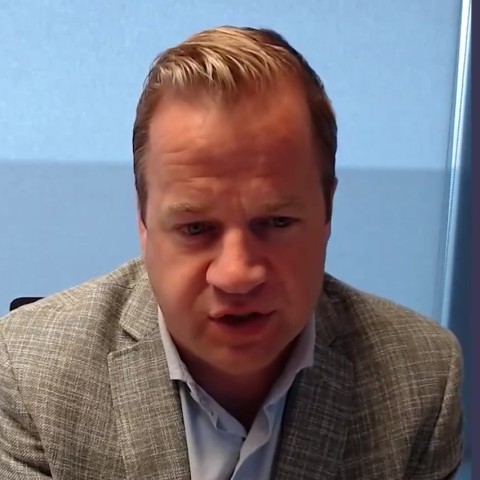
Floris Licht
Founder, Hotels for Trees
“the cost of cleaning a room here in Europe are anywhere between eight and 12 euros ... So if then a guest says, you know, I'll clean up after myself during this four day stay ... then of course that can generate two, three, four times this eight or 10 euro saving. And from that money, we can plant a tree.”
“So there's a special green door hanger with a QR code on it. ... So if you stay at a Muse Hotel during the online check-in, you can already decide that you want to skip the clean and plant the tree. And then housekeeping already knows, front office knows, they can even already adjust their roster.”
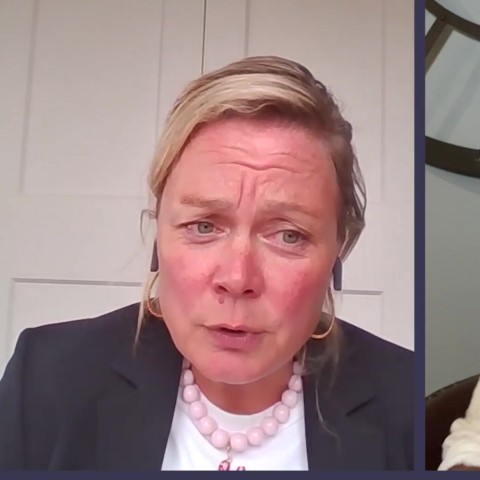
Nicoline Montanus
Director, Arq Hotels
“So you want to have a fantastic breakfast. But we all know breakfasts are huge buffets and everything will be thrown away afterwards. I think it's a waste of money and I don't think you need it all. So I would almost teach people when they stay in hotels, accept a small breakfast.”
“there's a safari lodge in South Africa that was close to where I worked. ... every water consumption they had, they really track that rigorously. ... they made sure that that same amount of water that was taken, the local communities around them had access to. So they built up water accessibility points or water pumps that were not there beforehand”
“you have these green key certificates in hotels nowadays, that first of all should be the standard, but green key certificate doesn't mean you're actively doing something to give back. just means you're doing less of the damage rather than changing it around, you know.”
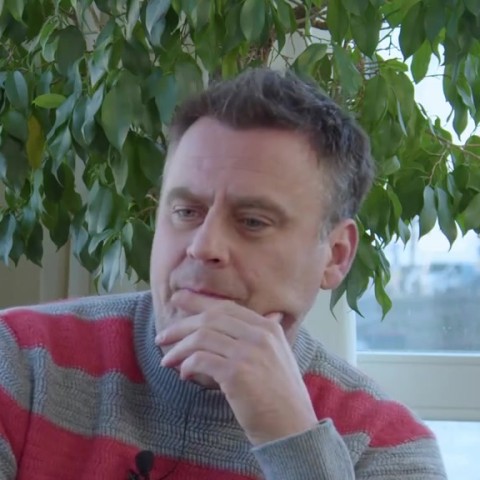
Bart Willems
Co-founder, Bottle Up
“they're all looking for a sustainable solution, but the solutions that that they have nowadays are often not really sustainable. For example, they use glass refillable glass bottles for in the room. ... But then they have to wash these bottles, fill them. It takes a lot of energy, a lot of time from staff, so it's not ideal.”