
Sponsored by Weave projects
What is owner-aligned hotel management?
By the Future of Hospitality editors, based on the writing of Eran Harash, founder and CEO of Weave projects · PUBLISHED 6 November 2026 · 4 MIN READ
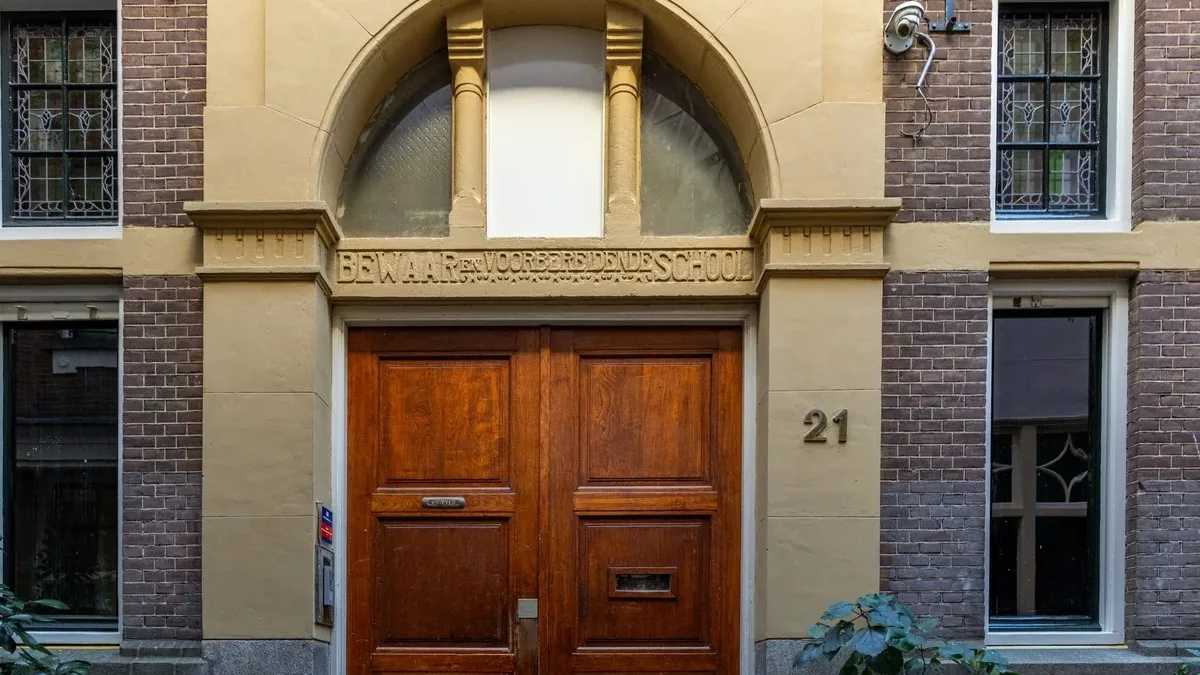
Owner-aligned hotel management is a setup in which supplier contracts, booking accounts, systems and data sit with the owner's company, not with the operator. The operator still runs the hotel, but is paid a visible fee and does not earn on the hotel's costs. If the two part ways, the hotel keeps what it needs to carry on.
This article is part of our guide to hotel asset management.
What problem is it trying to solve?
The problem tends to show up late. In his column for the Dutch trade title Hotelvak, Eran Harash argues that a long lease or management deal can feel safe and still leave an owner exposed. Harash has worked from dishwasher to hotel manager and later in development, renovation and pre-opening. His concern is what an owner finds when trying to change operator: the manager goes, and systems, contracts, data, reviews and online reputation can go too.
His test is one question. You own the building, but do you still hold the key to the business?
"If a management company performs well, it doesn't need a prison door." Eran Harash, Hotelvak, September 2026. Translated from Dutch.
How does the model work in practice?
The change is in the paperwork more than in the daily work. Weave projects, the Amsterdam company Harash founded in 2021, describes its version along four lines:
- Contracts. OTAs, accounting, utilities and software sign with the owner's company. The operator coordinates them under a separate management agreement.
- Costs. Bills reach the owner's own P&L at the supplier's price, so the owner reads the real number.
- Fee. A base fee plus a share of gross operating profit. Profit, not revenue, moves the operator's income.
- Exit. There is no fixed term, and accounts, configuration and reporting stay with the property when the relationship ends.
What does a classic contract do well?
Quite a lot, and that deserves saying. The better management agreements give owners real protection: performance tests, cure periods, a reserve that keeps the building current, and a priority return before the operator shares in the upside. Weave itself notes that many of them run well for years.
A lease has its own logic. An owner who wants steady income gets it, without carrying the operation. In an episode of this series, an investor who holds 34 European hotels, all on leases, explains why a hybrid lease suits that strategy: a minimum guaranteed rent protects the downside and a turnover top-up shares in the success. That partnership came through COVID with arrangements that worked for both sides.
| Lease | Classic management | Owner-aligned management | |
|---|---|---|---|
| Who carries the result | Mainly the operator, who pays rent | The owner | The owner |
| Where contracts sit | With the operator | Often behind the operator | With the owner's company |
| How the operator earns | Keeps what is left after rent | Fee and incentive, sometimes also on purchasing | Base fee plus a share of gross operating profit |
| Changing operator | Set by the lease | Branded deals often run a decade or longer, and usually need a cause to end | No fixed term, by design |
What does it ask of the owner?
More exposure. Harash says so himself: an owner who only wants a fixed monthly amount may find sharing in the results too uncomfortable. His reply is that a monthly amount is only as safe as the operator's ability to keep paying it. Both points are fair, and which one weighs more depends on the owner.
Two more things to keep in view. This is Weave's account of its own model, and its site lists 11 projects, with five in development and two under management, so the track record is still a small one. And Weave says it may occasionally receive a referral fee from a supplier, which it discloses and keeps outside the owner's costs.
Which questions should an owner ask an operator?
Weave publishes a five-question test and invites owners to put it to any operator, Weave included. In short:
- Do suppliers sign with my company or with yours?
- Do you earn anything on the cost side?
- If we part ways, exactly what transfers, and what does that cost?
- Is your incentive tied to revenue or to profit?
- Is pre-opening a separately priced project with an end date?
They are worth asking under any contract, and easiest to ask before anyone needs the answers.
About Eran Harash. Eran Harash is the founder and CEO of Weave projects, based in Amsterdam, which develops, opens and runs boutique hotels, hostels and hybrid concepts for owners. Weave projects is a sponsor of Inside Hotel Asset Management. The editors of the Future of Hospitality wrote this article and are responsible for it.










