Hotel Packages: How to Sell the Experience, Not the Room
Alon Shkuri · 20 Oct 2026 · 6 MIN READ

Many hotels and resorts still sell a room and then hope guests add something on top. Hotel packages turn that around: you decide what the stay is for, bundle the room with the things guests actually come for, and stop fighting over the lowest rate. The hard part is not the bundle itself. It is knowing which experience to package, for whom, and whether your operation can deliver it without chaos.
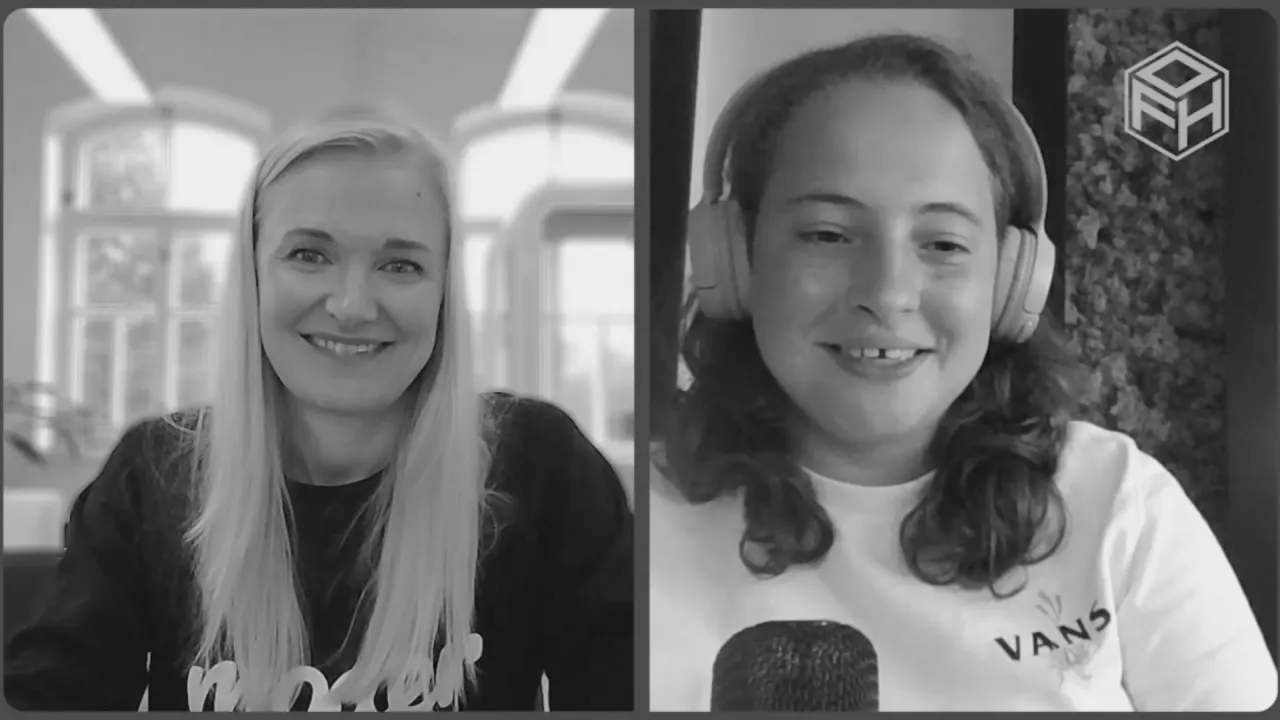
Anu Ala-Outinen, founder and COO of the hospitality management platform Mooder, works with resorts on exactly this question. A former competition lawyer, she builds the company together with her husband, a third-generation resort owner. Her view is direct: price alone never creates loyalty, and the packages that work start from a clear value proposition and a close knowledge of the guest.
Why hotel packages beat competing on price
Pricing matters, and nobody in the conversation pretends otherwise. But in Ala-Outinen's view, competing on price alone is always a race to the bottom. There will always be another property with a more efficient procurement team that can push the rate lower, and guests who chose you only for price will leave as soon as they find it.
“Whereas even if you're that budget hotel, well, then you can compete on the community or on cleanliness or on location or whatever it is and be budget friendly.”
Anu Ala-Outinen, 14:33
The lesson for any hotel: the cheaper you are, the more you need a reason to be chosen that is not the price. Packages are one of the most concrete ways to make that reason visible, because they show the guest what the stay includes before they compare rates. Ala-Outinen believes hospitality is moving towards an economy led by experience. People, she says, do not travel to sleep. They travel to experience something, and what they buy is not just the bed or the low rate but the entire package they get when they travel. A related article looks at what experiential retail borrows from hospitality.
Start with a value proposition that drives decisions
A package without a clear idea behind it is just a discount with extra steps. Before you bundle anything, you need to know what your property stands for. Ala-Outinen uses the familiar definition of a unique value proposition, that it should be clear, relevant and memorable, and gives each part a practical test:
- Clear: it helps you make better decisions faster. If it does not, it is probably just a slogan.
- Relevant: when you tell it to a customer, they care. If they do not, you are either building the wrong team or trying to convince the wrong customer pool.
- Memorable: if you remove your name from it, people can still tell it is your place and not the chain hotel next door.
That first test matters most for packaging. A clear proposition tells you which experiences belong in a bundle and which do not. Without it, every add-on looks equally good, and the package ends up as a list of extras that nobody asked for. A related article looks at hotel storytelling for independent hotels.
Know who the package is for
The simplest way to find your market, according to Ala-Outinen, is not an expensive market study. It is talking to your customers. Ask them how they found you, what they liked, what they did not like, and if you are good at it, where they might have gone instead. Write that down, describe your ideal customer, and you have your market.
Once you know the guest, the package almost designs itself. Her example is a family-friendly resort: you would expect a playground, high chairs and everything parents need when they arrive with children, and that thinking should be visible everywhere. The mistake she sees most often is building for a customer you do not understand, such as aiming for luxury guests without knowing how they travel or what they expect. The same question comes up in an article on themed hotel concepts that last.
What experience-led hotel packages look like in practice
The strongest example in the conversation comes from Finnish Lapland. One of the largest safari resorts in the region, a family-owned business made up of three resorts, decided very early on that it would not sell accommodation with activities on the side. It started building experience packages instead, and was one of the first to do so.
“Very early on, they decided that they would not be just offering accommodation.”
Anu Ala-Outinen, 16:54
The result, as Ala-Outinen describes it, shows up in length of stay. In Lapland the average stay is somewhere between one and three days. At this resort it is between five and seven. Guests come for the huskies, the reindeer and the northern lights safaris, and they stay close to a week to experience all of it. That bundle of experiences is the resort's value proposition, and the packages are how guests buy it.
A few principles any hotel can take from this:
- Build the package around the reason guests travel, not around the room type.
- Make the experience the headline and the bed a part of it.
- Measure success in length of stay and total spend, not only in room rate.
The systems behind selling hotel packages
Packages fail quietly when the operation cannot handle them. Before the Lapland resort switched systems, it ran the business on a stack of separate tools. According to Ala-Outinen, that made the packages harder to sell, and several people were needed just to keep the data where it had to be, so that staff knew where to go and at what time.
Having accommodation, activities and food and beverage in one place is what makes a package easy to sell, operate and analyse.
“But when you have it in a single system, then that's where the true magic happens, I think.”
Anu Ala-Outinen, 19:53
Her argument about AI follows from this. Today, AI in hospitality is mostly used for pricing accommodation. If your food and beverage and activities sit in other systems, that AI has a very limited view of them. With everything in one system, it could optimise the entire package:
- Sell the room for less, knowing guests will book activities where the revenue comes back.
- Match staffing to demand so you have the right number of people every time.
- Push more products to guests when staff have spare capacity, to fill safaris and other experiences.
She expects AI to change the business more than anyone predicts, and to make complex guest wishes easier to manage. What will not change, in her view, is human interaction and the need to talk with your customers, not just through AI. To hear the full story behind these ideas, watch the full conversation.
Frequently asked questions
What are hotel packages?
They bundle a stay with the experiences guests actually travel for, such as activities, food and beverage or safaris, sold as one product. In Anu Ala-Outinen's view, the best ones are built on a clear value proposition, so the package shows guests why they should choose your property instead of comparing room rates alone.
Why not just compete on price?
According to Ala-Outinen, competing on price alone is always a race to the bottom. Another property will always find a way to go lower, and price-sensitive guests will leave as soon as it does. Even budget hotels can compete on community, cleanliness or location while staying affordable.
How do experience packages affect length of stay?
In the Lapland example from the conversation, the average stay in the region is one to three days, while a safari resort that started building experience packages early sees stays of five to seven days. Guests come for the huskies, the reindeer and the northern lights safaris, and stay longer to experience all of it.
Do you need one system to sell packages?
It helps a lot, in Ala-Outinen's experience. When accommodation, activities and food and beverage run on separate tools, packages are harder to sell and staff spend time keeping data in the right place. One system makes selling, operating and analysing easier, and lets AI optimise the whole package rather than only the room price.