
OUTLOOK 2027 · CHAPTER 4 OF 6 · REVENUE AND F&B
Hotel Revenue Trends 2027: Profit, TRevPAR and F&B
The hotel revenue trends for 2027 measure the whole hotel. Rooms, food and beverage and every extra count toward the same result.
Edited by Alon Shkuri · Updated This chapter is open for a partner. Partner this chapter
Profit, not occupancy, is the yardstick
Scot Turner, managing director of Arden Hospitality, sees hotels rely more on food and beverage because TRevPAR has become the metric everyone is benchmarked against. Pablo Torres puts a number on the room to grow: in hotels about 8% of revenue comes from ancillaries, against up to 50% at some airlines.
Rate quality counts for more than volume. Moustafa Ahmed, cluster reservations manager at Banyan Tree Dubai, says any hotel can fill its rooms; the question is at which rate. Rogier Ensel, owner of RevGen, argues that every market should allow 80% occupancy, so the difference in profit sits in ADR. Sophie Richard of M&L Group made a deliberate move that cost 13% of occupancy overnight, in a repositioning that took the hotel's RGI from 81 to 110.

“Hotels are relying much more on food and beverage to make money because TRevPAR has become the new metric that everyone's being benchmarked against. So now all of a sudden, it's not on that RevPAR. It's on the TRevPAR.”
Scot Turner, Managing Director, Arden HospitalityListen from 06:39 
“Depending on the company, we're talking about up to 50% in some locals airlines is coming from ancillary revenue. Top revenues are ancillary. In the cruise liner, like 35%. If we think about hotels, we're talking about, like, 8% of revenues coming from ancillary, so it's a massive growth potential in there.”
Pablo Torres, Hospitality consultantListen from 01:45 
“Return on investment starts at ADR level because everyone I mean, in essence, in every market, in every corner of the world, you should be able to run a 80% occupancy. So the differential of what, where profit will be higher or lower is because of ADR levels.”
Rogier Ensel, Owner, RevGenListen from 18:20 - MA
“It's all actually related, not only occupancy figure because it's very easy for any hotel actually to fill the hotel, but at which rate? That's a very important part.”
Moustafa Ahmed, Cluster Reservations Manager, Banyan Tree DubaiListen from 21:55 
“We had a good GOP margin as well. But, you know, you can always do better, and then we deep dive, and then we make a bold move. And that's when you lose 13% of your occupancy overnight.”
Sophie Richard, Asset manager, M&L GroupListen from 07:26
Hotel F&B becomes its own business
Scot Turner expects that guests will no longer find the same restaurant, bar and lounge repeated in every hotel. Talia Butt, general manager of a boutique hotel in Brussels, gave her restaurant its own brand, separate from the hotel, so people recognise the food and drink on their own.
Olga Galiuk, general manager of LuminAir Amsterdam, expects guests to become more open to hotel bars within five years, as they learn that hotels keep a special standard. Burg de Rave, hotel director of Room Mate Bruno, runs a lobby shop that sells water, wine and gin and tonic side by side, and Sanne Feiken, COO of RoomDelivery, points out that a guest in the room may want pizza or sushi rather than the hotel burger.
“I really believe that in years to come, you're not going to walk into hotels and see restaurant bars and lounges on repeat in every hotel that you go in.”
Scot Turner, Managing Director, Arden HospitalityListen from 29:27 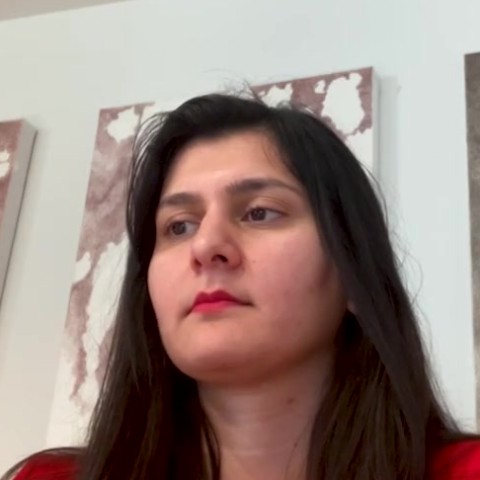
“I made a new brand for the restaurant independently of the hotel, allowing people to have a recognition itself for the food and beverage part of the hotel.”
Talia Butt, General ManagerListen from 15:27 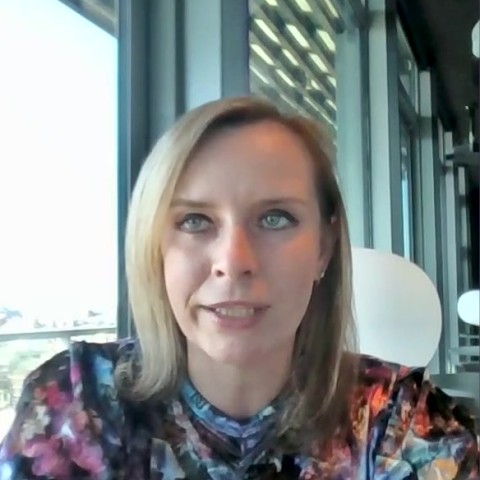
“I think that also was within five years, the guests will be more and more open to visit hotel bars because they will know that there is a special standard that we keep in, and they will be they will know that if they go to hotels, they will get amazing service.”
Olga Galiuk, General Manager, LuminAir AmsterdamListen from 30:25 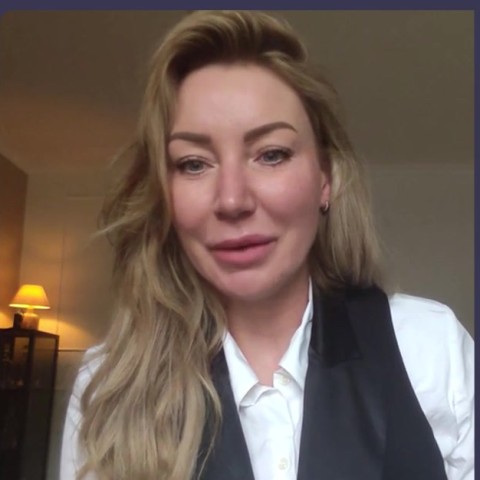
“Guest behavior doesn't only focus on the hotel restaurant. It can be the case that I don't want a hamburger from the hotel room. I want a pizza. I want sushi.”
Sanne Feiken, COO, RoomDeliveryListen from 09:42 
“We have a lobby shop, which is filled with food, beverage, nonfood items. You can buy a bottle of water, but at the same time, you can also buy a gin tonic or a bottle of wine.”
Burg de Rave, Hotel Director, Room Mate BrunoListen from 17:34
What to do in 2027
- Report TRevPAR and GOPPAR next to occupancy and RevPAR in every monthly review.
- Check which segments fill rooms at a rate that lowers your profit.
- Run your restaurant and bar as a concept with its own name, its own guests and its own P&L.
Get all six chapters as a PDF
All six chapters with every quote and the steps for 2027, in one PDF for your team or your board.
More from the Outlook 2027
How we made this
We read the guest contributions in the 131 episodes of the Future of Hospitality podcast, recorded with hotel operators, owners, investors, consultants and suppliers. AI helped sort the transcripts by topic. The editor chose the trends and checked every quote and every number word for word against the transcript.
Quotes are verbatim. Only words that were said twice in a row, such as “the the”, are left out, and names the transcript misspells, such as ChatGPT, are spelled correctly. Nothing is added or reworded. Every quote links to the moment in the episode where it was said. Edited by Alon Shkuri; see our editorial policy.
Explore more
One topic, every Tuesday
Every Tuesday we send one topic from the show: the key ideas, the episode behind it and one line worth remembering. Two minutes to read, no spam.
Read by 4,200 hospitality leaders










