
OUTLOOK 2027 · CHAPTER 3 OF 6 · PEOPLE
Hospitality Workforce Trends 2027: Train and Keep
The hospitality workforce trends for 2027 show that hotels cannot hire their way out of the shortage. The hotels that cope train their own people and make the job worth staying for.
Edited by Alon Shkuri · Updated This chapter is open for a partner. Partner this chapter
Hotels train the staff they cannot hire
Dieter Schmitz, a general manager, has not seen such a gap in interest in coming into hospitality in twenty years. Erwin van der Graaf, VP Operations at Accor, expects many people to retire while the inflow of new talent stays lower. Jonatan Joseph Tsuff, CEO of Noovy, does not expect it to get easier.
The answer on the podcast is to train. Manish Gupta, CFO of Aureum Palace Hotels, hires trainees because the talent is not there to hire. Ramon Reyes, managing director of Omni Atlanta Hotel, calls it building a bench, and he is fine if that bench ends up serving the industry rather than his own hotel.
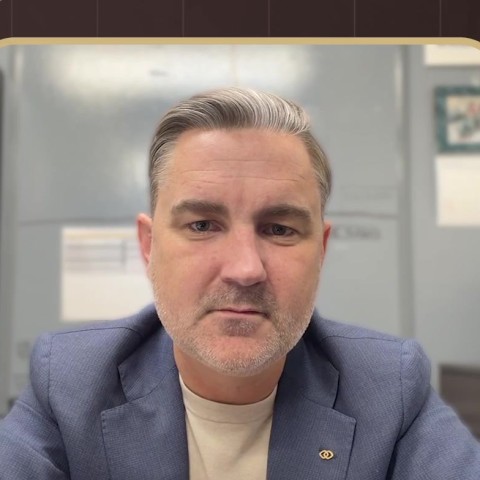
“I've never seen such a disparity in interest in coming into hospitality than at any point in twenty years, and which is kinda scary.”
Dieter Schmitz, General ManagerListen from 25:16 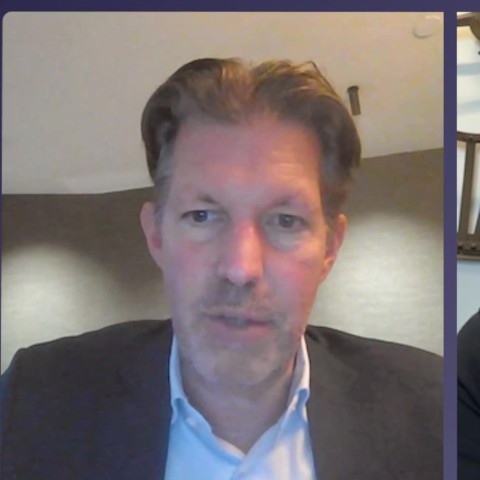
“Labor market is challenging and will remain challenging. The demographics in the country show that a lot of people will leave the market at some point because they will retire, and the inflow of new talents to the business is probably not at the same level.”
Erwin van der Graaf, VP Operations, AccorListen from 03:38 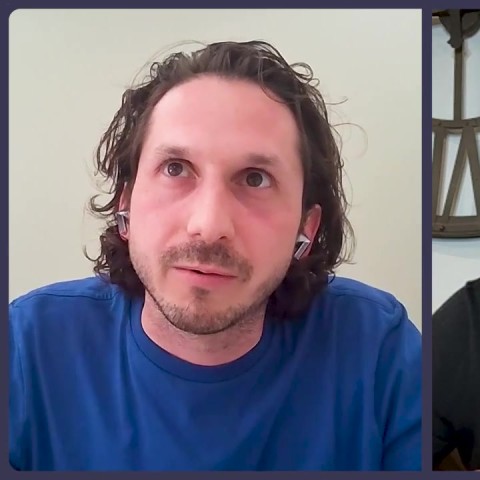
“I think that it's very hard for hotels to find good people today. I'm afraid I don't think that it will get any easier going forward.”
Jonatan Joseph Tsuff, CEO and founder, NoovyListen from 19:32 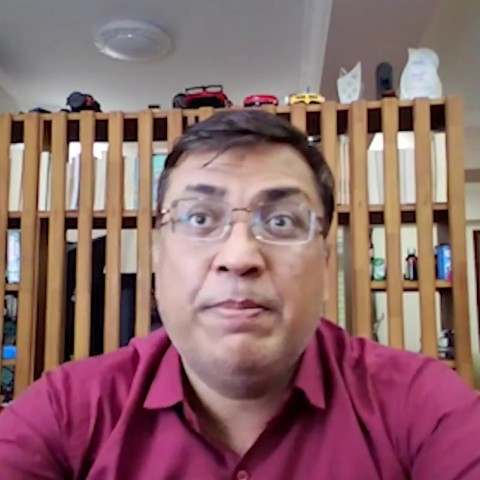
“We are struggling to find the talent in our country, and there's no talent. So what we are doing is we are trying to hire trainees and say, okay. Let's train more people.”
Manish Gupta, CFO, Aureum Palace HotelsListen from 26:30 - RR
“At end of the day, we're building talent. We're building bench. I would love for that bench to be for us, but I'm okay with it being for the industry.”
Ramon Reyes, Managing Director, Omni Atlanta HotelListen from 39:38
Staff set the terms of work
Bouke van de Wart, a student at Hotel School The Hague who started as a dishwasher at fourteen, describes kitchens where screaming and sixteen-hour days were normal, and says that is no longer tolerated. Mike Gamble, CEO of Searchlight Global, notes how easy it is now to research a hotel's culture, which makes the brand as important for the team as for guests.
William Yarney of The Social Hub calls COVID a hard reset that made hotels look at how they treated their employees. Eric Van Lambalgen, who advises hotel groups on finance and sustainability, saw a truly sustainable brand fill every role after one recruitment day, with a waiting list. Keith Dickey links it back to the guest. A dysregulated employee lowers the experience, and that is how hotels start to value staff health.
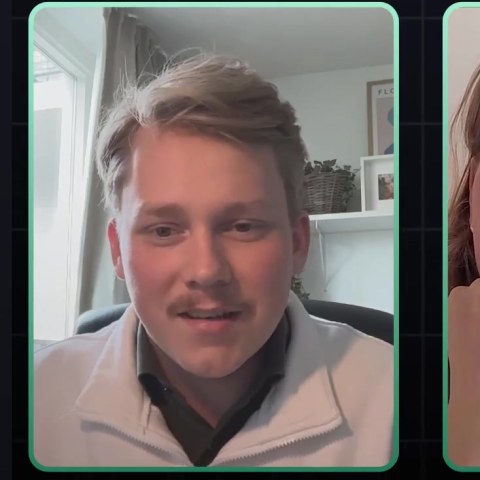
“Coming from the kitchen, it used to be a crazy toxic world. Screaming, scolding, stuff being thrown around. It was quite normal. And then next to the 16 plus hours per day working. And nowadays we see way more that is not being tolerated anymore.”
Bouke van de Wart, Student, Hotel School The HagueListen from 25:23 
“If you have someone serving that guest in any capacity that is dysregulated in any capacity, you are diminishing the ability of that experience. Right? That's how you get people to start valuing the employee health.”
Keith Dickey, Chairman & COO, YouMindListen from 17:18 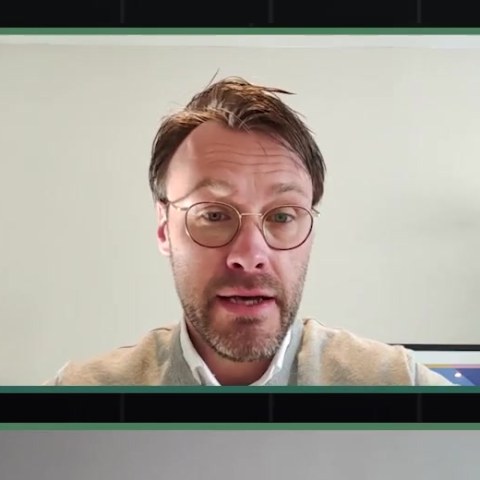
“We found the interest of the younger generation to come work for a true sustainable brand so great that, you know, after one recruitment day, we already had all our ambassadors hired to the team. And actually we had a waiting list for people that wanted to join us.”
Eric Van Lambalgen, Adviser to hotel groups on finance and sustainabilityListen from 37:48 
“It's so easy now to research, you know, the culture and what it's like to work there. And, you know, your brand is important for your internal team as it is for your external customers.”
Mike Gamble, CEO, Searchlight GlobalListen from 20:59 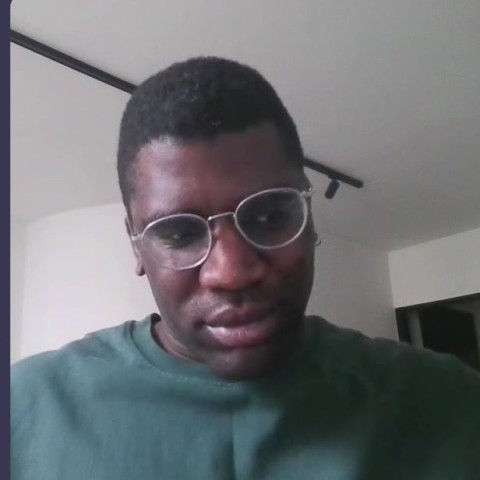
“I think COVID was a very hard reset for the industry. I think we had to look internally at how we treated our employees, how we handled business.”
William Yarney, Quality & Implementation Manager, The Social HubListen from 08:15
What to do in 2027
- Add a trainee track for every role you struggle to fill, and hire for attitude.
- Search for what working at your hotel looks like online, and read what an applicant sees before they apply.
- Set limits on hours and behaviour in the kitchen and on the floor, and track staff turnover every quarter.
Get all six chapters as a PDF
All six chapters with every quote and the steps for 2027, in one PDF for your team or your board.
More from the Outlook 2027
How we made this
We read the guest contributions in the 131 episodes of the Future of Hospitality podcast, recorded with hotel operators, owners, investors, consultants and suppliers. AI helped sort the transcripts by topic. The editor chose the trends and checked every quote and every number word for word against the transcript.
Quotes are verbatim. Only words that were said twice in a row, such as “the the”, are left out, and names the transcript misspells, such as ChatGPT, are spelled correctly. Nothing is added or reworded. Every quote links to the moment in the episode where it was said. Edited by Alon Shkuri; see our editorial policy.
Explore more
One topic, every Tuesday
Every Tuesday we send one topic from the show: the key ideas, the episode behind it and one line worth remembering. Two minutes to read, no spam.
Read by 4,200 hospitality leaders










