
OUTLOOK 2027 · 10 TRENDS · 43 HOTEL LEADERS
Hotel Trends 2027: What Hotel Leaders See Coming
These are the hotel trends 2027 will bring, in the words of the people who run hotels. Guests start booking through AI assistants while AI takes over the back of house. Human service becomes the luxury and sleep becomes the product. Hotels train the staff they cannot hire, and staff set the terms of work. Profit replaces occupancy as the yardstick, hotel F&B becomes its own business, sustainability gets priced in, and owners want proof before they spend.



- 01Guests book through AI assistants
- 02AI runs the back of house
- 03Human service becomes the luxury
- 04Sleep and recovery become the product
- 05Hotels train the staff they cannot hire
- 06Staff set the terms of work
- 07Profit, not occupancy, is the yardstick
- 08Sustainability gets priced in
- 09Hotel F&B becomes its own business
- 10Owners want proof before they spend
01 · AI IN HOTELS
Guests book through AI assistants
Guests are starting their hotel search in ChatGPT, Claude and Perplexity instead of on Google or an OTA. Hotel leaders on the podcast expect these assistants to shortlist and book on the guest's behalf, so a hotel has to be findable and bookable for software as well as for people.

“These days, you no longer go or the majority, seems to have shifted from googling hotels, from googling trips, to going to Claude or ChatGPT or whatever is out there and say, book me a hotel in Zurich next week from this time to that time.”
Klaus Spiekermann, General Manager, Dolce by WyndhamListen from 04:10 
“What we believe will happen is that you will see more and more what we call an agent to agent type of interaction, meaning that you will start your purchasing journey on your smartphone.”
Adrien Mathieu, CEO & Founder, Kleio.aiListen from 11:43 
“The other part of AI that's going to disrupt the market quite strongly, and there's already the first signs of that, is something us as hoteliers, not even the big chains, are able to control, which is the way that people book hotels.”
Bart Hilgers, Owner, Six StarsListen from 35:09
02 · AI IN HOTELS
AI runs the back of house
Most of the work AI takes on happens out of sight, in reservations, pricing and administration. The people a guest meets stay human, while the roles behind the scenes change shape.
“Most of the AI utility is gonna happen on the back end in order to make the guest experience even better on the front end.”
Adam Mogelonsky, Luxury hotel adviserListen from 25:09 
“Reservations, I think we're going to see, like, so many jobs being done over there in the next four or five years because so much of the work reservations is doing can already be automated by good AI software.”
David Kijlstra, Founder of a hotel consultancyListen from 35:06 
“What I see happening is the revenue manager role kind of not fading, but changing where you have less revenue managers and more analysts who are actually just validating our revenue management systems.”
Jason D'Agostino, Certified Revenue Management ExecutiveListen from 21:49
03 · THE GUEST
Human service becomes the luxury
Hotels are splitting in two. Budget and midscale properties move to self-service with as few staff as possible, and service from real people becomes what guests pay a premium for. Hotels in the middle have to choose a side.
“Human talent is gonna be the luxury. So I see, like, a split between lower tier hotels with mostly installed by technology. So you check-in on your mobile, check out on your mobile. There's maybe one person on the desk just in case, but there's no real human interaction.”
Pablo Torres, Hospitality consultantListen from 20:54 
“We are really bumping along in, demand growth. Certain, like, higher tier hotels are doing better. Luxury, even upper upscale to a certain extent, are seeing demand growth. Everyone else has been, flat to down.”
Isaac J. Collazo, Vice President, Analytics, STRListen from 24:18 “I wanna have a recommendation of a human being. And then for this, I'm willing to pay €300, €500 a night.”
Klaus Spiekermann, General Manager, Dolce by WyndhamListen from 18:24
04 · THE GUEST
Sleep and recovery become the product
Wellness is moving out of the spa and into the room. Every guest sleeps, yet few hotels design and run the stay around rest and recovery, and guests who travel to recover expect it everywhere in the hotel.

“Sleep is the very one thing that every guest is going to do in your hotel. Not everyone is gonna go to your restaurant. You hope so, but not everyone is going to the restaurant. Not everyone is going to the spa, but everyone is going to sleep.”
Javier Suarez, Luxury wellness, spa and hospitality strategistListen from 43:42 
“We're designing experiences absent of the biological understanding of what the human being needs in order to rest and recover.”
Keith Dickey, Chairman & COO, YouMindListen from 14:27 
“Our guests began to realize that wellness wasn't just confined to the treatment rooms. It could be woven to every single aspect of their stay.”
Patrick Fernandes, CEO, Alchemy Wellness ResortsListen from 12:23
05 · PEOPLE
Hotels train the staff they cannot hire
Fewer young people enter hospitality while experienced staff retire. Hotels that wait for ready-made hires wait longer every year, so they hire trainees and build their own bench.
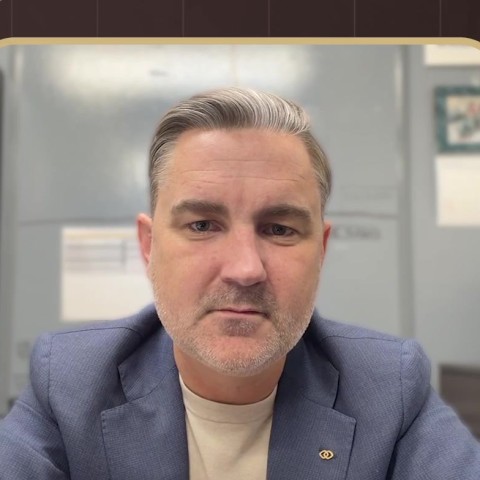
“I've never seen such a disparity in interest in coming into hospitality than at any point in twenty years, and which is kinda scary.”
Dieter Schmitz, General ManagerListen from 25:16 
“Labor market is challenging and will remain challenging. The demographics in the country show that a lot of people will leave the market at some point because they will retire, and the inflow of new talents to the business is probably not at the same level.”
Erwin van der Graaf, VP Operations, AccorListen from 03:38 
“I think that it's very hard for hotels to find good people today. I'm afraid I don't think that it will get any easier going forward.”
Jonatan Joseph Tsuff, CEO and founder, NoovyListen from 19:32
06 · PEOPLE
Staff set the terms of work
Staff no longer accept toxic kitchens and endless shifts, and they can see a hotel's culture before they apply. Hotels now sell themselves to the people they want to hire, and a stressed team passes its stress on to guests.

“Coming from the kitchen, it used to be a crazy toxic world. Screaming, scolding, stuff being thrown around. It was quite normal. And then next to the 16 plus hours per day working. And nowadays we see way more that is not being tolerated anymore.”
Bouke van de Wart, Student, Hotel School The HagueListen from 25:23 “If you have someone serving that guest in any capacity that is dysregulated in any capacity, you are diminishing the ability of that experience. Right? That's how you get people to start valuing the employee health.”
Keith Dickey, Chairman & COO, YouMindListen from 17:18 
“We found the interest of the younger generation to come work for a true sustainable brand so great that, you know, after one recruitment day, we already had all our ambassadors hired to the team. And actually we had a waiting list for people that wanted to join us.”
Eric Van Lambalgen, Adviser to hotel groups on finance and sustainabilityListen from 37:48
07 · REVENUE AND F&B
Profit, not occupancy, is the yardstick
Hotels are judged on total revenue and profit rather than on how full they are. That pulls food and beverage, ancillary sales and the choice of segments into the revenue plan.

“Hotels are relying much more on food and beverage to make money because TRevPAR has become the new metric that everyone's being benchmarked against. So now all of a sudden, it's not on that RevPAR. It's on the TRevPAR.”
Scot Turner, Managing Director, Arden HospitalityListen from 06:39 “Depending on the company, we're talking about up to 50% in some locals airlines is coming from ancillary revenue. Top revenues are ancillary. In the cruise liner, like 35%. If we think about hotels, we're talking about, like, 8% of revenues coming from ancillary, so it's a massive growth potential in there.”
Pablo Torres, Hospitality consultantListen from 01:45 
“Return on investment starts at ADR level because everyone I mean, in essence, in every market, in every corner of the world, you should be able to run a 80% occupancy. So the differential of what, where profit will be higher or lower is because of ADR levels.”
Rogier Ensel, Owner, RevGenListen from 18:20
08 · SUSTAINABILITY
Sustainability gets priced in
Sustainability is getting a price. Lenders offer cheaper money to sustainable hotels, corporate clients demand certification, and a green label is becoming the minimum instead of an advantage.
“Borrowing money or getting a mortgage for a company that which is very sustainable will be much cheaper as for a company which is too late to invest in sustainability. So there will be a big competitive advantage for those or disadvantage for the other hotels that didn't invest.”
Erwin van der Graaf, VP Operations, AccorListen from 15:23 
“From our corporate bookings, all of our corporate bookings demand this regardless. So all of the hotels have it anyway. And if you're talking about something like Amsterdam specifically, almost probably every hotel has a sustainability certification.”
Gavin Fraser, Group Director of Built Environment and Sustainability, Circle CollectionListen from 16:14 “Most guests, for example, kind of up style or budget hotels, they're not necessarily willing to pay a surcharge for, you know, sustainability measures, but it's taken into the booking decisions where if they have same price category and sustainable versus non-sustainable, they prefer sustainable over non-sustainable.”
Eric Van Lambalgen, Adviser to hotel groups on finance and sustainabilityListen from 28:25
09 · REVENUE AND F&B
Hotel F&B becomes its own business
The standard hotel restaurant, bar and lounge is making room for concepts with their own brand, lobby shops and delivery. Hotel food and beverage is turning into a business of its own inside the hotel.
“I really believe that in years to come, you're not going to walk into hotels and see restaurant bars and lounges on repeat in every hotel that you go in.”
Scot Turner, Managing Director, Arden HospitalityListen from 29:27 
“I made a new brand for the restaurant independently of the hotel, allowing people to have a recognition itself for the food and beverage part of the hotel.”
Talia Butt, General ManagerListen from 15:27 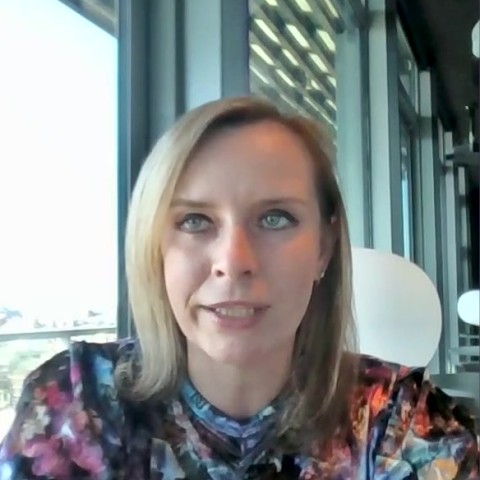
“I think that also was within five years, the guests will be more and more open to visit hotel bars because they will know that there is a special standard that we keep in, and they will be they will know that if they go to hotels, they will get amazing service.”
Olga Galiuk, General Manager, LuminAir AmsterdamListen from 30:25
10 · OWNERS AND INVESTMENT
Owners want proof before they spend
Owners ask for proof behind every euro. A brand has to earn back its fee, a renovation has to fit under the market's rate ceiling, and the sale is planned from the day of purchase.
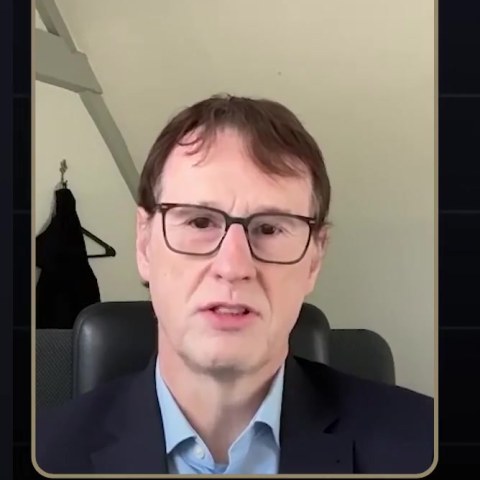
“When you think that we bought in late twenty one and we're selling in early twenty six, that's, barely five years. And one of the key success of this particular project is that we had, all the time, the exit in mind.”
Emmanuel Dissez, Head of Hotel Asset Management, Schroders CapitalListen from 16:56 
“What we found was, particularly after COVID, a lot of the owners were next generation owners. And therefore, investment timelines were completely different to that perhaps of their fathers or their parents. And they wanted to talk about five year turnarounds and ten year turnarounds.”
Clare Anna Gamon, Chief Commercial Officer, London Rock PartnersListen from 02:35 
“We have seen on the market that some hotels or some owners, they renovate. They do an excellent job in renovation. The product is fantastic. But the market, there's only so much room for ADR growth, and you may overinvest, and you may not get the return you're expecting.”
Rastko Djordjevic, Managing Director EMEA, JLL Asset ManagementListen from 09:07
Get the Outlook 2027 as a PDF
All six chapters with every quote and the steps for 2027, in one PDF for your team or your board.
How we made this
We read the guest contributions in the 131 episodes of the Future of Hospitality podcast, recorded with hotel operators, owners, investors, consultants and suppliers. AI helped sort the transcripts by topic. The editor chose the trends and checked every quote and every number word for word against the transcript.
Quotes are verbatim. Only words that were said twice in a row, such as “the the”, are left out, and names the transcript misspells, such as ChatGPT, are spelled correctly. Nothing is added or reworded. Every quote links to the moment in the episode where it was said. Edited by Alon Shkuri; see our editorial policy.
Explore more
One topic, every Tuesday
Every Tuesday we send one topic from the show: the key ideas, the episode behind it and one line worth remembering. Two minutes to read, no spam.
Read by 4,200 hospitality leaders










