















„Alte Gastfreundschaft“ hat ausgedient, was kommt als Nächstes?
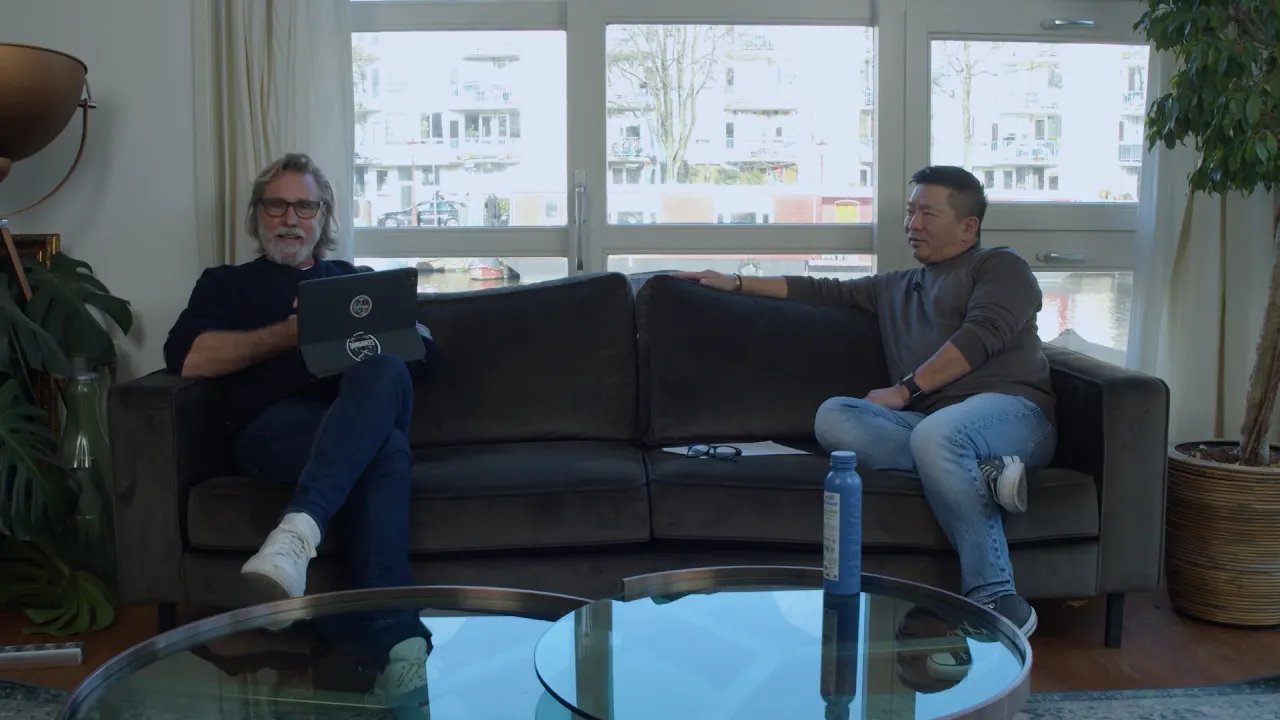
In dieser Folge erzählt William Yarney, wie das Gastgewerbe nach Corona neu definiert wird: von den Gästeerwartungen bis zum Anspruch der Gen Z auf Sinn, Grenzen und Verbindung. Ausgehend von seinem Weg bei Soho House und The Social Hub zeigt er, wie Empathie, Innovation und bewusste Führung die Zukunft unserer Branche prägen.
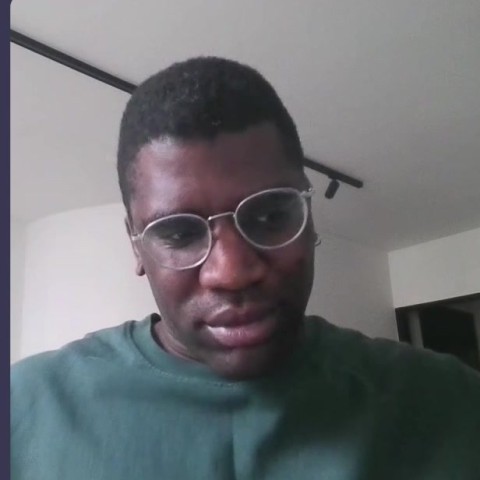 William YarneyQuality & Implementation Manager
WICHTIGSTE ERKENNTNISSE
COVID war ein Neustart
COVID zwang das Gastgewerbe, den Blick nach innen zu richten: auf den Umgang mit den Mitarbeitenden und die eigene Geschäftsführung. Wohlbefinden ist heute ein zentraler Teil der Mitarbeitererfahrung und keine Nebensache mehr.
Die Gen Z setzt Grenzen
Die neue Generation steht fest zu ihren Werten und verlangt ein gewisses Maß an Selbstachtung. Sie ist bereit zu arbeiten, besteht aber auf klaren Grenzen zwischen Beruf und Privatleben, die frühere Generationen nie hatten.
Gäste sehnen sich heute nach Verbindung
Da seit COVID mehr aus dem Homeoffice gearbeitet wird, suchen Gäste beim Ausgehen immer stärker nach Verbindung und gemeinsamen Erlebnissen. Das treibt gemeinschaftsorientierte Konzepte, sober-curious Events und Formate wie das Abendessen mit Fremden voran.
Das Wichtigste ist, dass man zuerst gut auf sich selbst achtet, um sich dann um die Gäste kümmern zu können.
Transkript
Auf eine Zeitmarke klicken, um ab dort zu sehen. Die Aufnahme ist auf Englisch.
0:00Einführung und der COVID-Neustart
2
William YarneyI think COVID was a very hard reset for the industry. I think we had to look internally, at how we treated our employees, how we handled business. I think it threw up, a lot of challenges.
the Future of HospitalityWelcome to our podcast, the future of hospitality. I am your host, Arjen Eichelbaum, and today our guest is William global quality and implementation manager at the Social Hub in Amsterdam. William, welcome to our show. Oh, thank you for having me. Wonderful. Today, we're gonna talk about hospitality, old versus new. And there's a lot to talk about. And but first, tell us who you are, where you're from. I just introduced you, but give us a little insight who you are and what you've been doing for the past few weeks.
0:48William Yarney stellt sich vor
2
William YarneySo my name is William Ianni. I am about 33 years old. I'm currently based in Amsterdam. I'm originally from London. I moved to The Netherlands seven years ago, and I've been working in the hospitality industry since the age of 16. I've done a bit of everything from independent restaurants to luxury hotels to members clubs. But currently, I work for a hybrid hospitality concept here in Amsterdam as a global quality and implementation manager.
the Future of HospitalitySounds good to me. We wanna hear more about that. That's the social up. I wanna hear more about that.
1:34Unterstützung bei der Eröffnung in Rom
3
William YarneySo, yes, again, we talked earlier. What have you been doing for the past few weeks? For the past few weeks. So I recently just got back from a two week stint in Rome. It's one of our properties that we recently opened up. They needed a bit of support, so they picked up the phone and said, hey, Will. Would you mind coming over to support the team? So I've been, yeah, in Rome for the last two weeks supporting the team across a myriad of things. Obviously, it's a hotel opening, so things are still being established. But I always like to say that I'm a bit of a generalist.
William YarneyI can do a bit of everything. So I basically rolled up my skills With army knife. Very much like that. Yeah.
the Future of HospitalityI like that. I like that expression myself. I hear that a lot. So tell me a little bit more about before we dive deep into old versus new hospitality. So what is your role about exactly at the Social Hub? What does that entails?
2:23Die zwei Säulen seiner Rolle
4
William YarneyYes. So my role effectively, I would say, has two pillars to it. So the first pillar is quality. So I'm effectively a quality manager. I work with our product and experience teams to define what we want our guest journey and our product standards to be. And then I actually go out to our locations to order our locate our locations. So I think very much like a mystery guest, but more from an internal perspective. I then make sure that the general managers have all of these insights that they can use to obviously better the experience for our guests, but then I also use these insights to feed into our experience road map. So it also helps us look towards the future on what exactly do we need to further develop.
William YarneyThe other pillar is basically implementation. So from a strategic point of view, every single year, the company sets out all of the strategic goals that they wanna achieve for the year. I focus on anything that affects our operational team, so our GMs and below, and I basically project manage that whole process. So it could be rolling out a new system, a new process. There might be a project that needs to be delivered. I am the kind of operational go to. So if you work in HR, if you work in tech, I'm your kind of first line of defense saying, okay. We wanna do this. What are the steps that we need to follow for this to be successful? So I create a whole implementation plan on how we how we're gonna do it, how exactly do we define success, and then make sure that those kind of insights go back to the right people saying, okay. This was great, or maybe we should change our approach and do this differently.
William YarneySo it's a very highly collaborative role, a lot of fun. There's never a boring day. And, yeah, I get to use all of the skills I've learned, so a lot of fun.
the Future of HospitalityWow. Yeah. It sounds very dynamic and very exciting and challenging also. So you're in that role now, but before that, I met you years ago and when you were working at Soho House. So how did you make that move from what you were doing at Soho House? Obviously, you developed a lot of skills that you you are using now in your current role, but can you walk us back a little bit, so from Soho House to Social Hub, and what's the difference? Because Social Hub is a hybrid. Soho House is a members club, you mentioned.
4:42Von Soho House zu The Social Hub
5
William YarneyMhmm. Go ahead. Tell me what what. Yeah. So I think this is my first transition into more of a corporate role. So now I work in the headquarters for a company, but I obviously have been working in hospitality since the age of 16. So I was at the point where I was like, okay. I've been in quite a lot of operational roles at this point, and I wanna be able to do something slightly different. I think that's, obviously, when COVID hit, which was obviously the big reset. So a lot of us were probably figuring out what is it, you know, We were all stuck at home, we had a lot of time to think. And I think I had that time to think on, okay. Where exactly do I see my career moving forward?
William YarneyBecause I do think there does come a time when you kind of have to make that kind of transition from, you know, being operational, which is very much kind of hands on to kind of shifting into that more kind of strategic headspace. So during COVID, I briefly moved back to London actually because I wasn't sure what I wanted to do. So I briefly moved back to London. That. Yeah. I was I was supposed to open the Nomad Hotel, which was one of my you know, there's very few brands I you know, you see and you really resonate with. So I knew that they were opening in London. So I thought, COVID's it. Time to go back to London. Went back to London, opened the Nomad Hotel, but I really missed my life in Amsterdam.
William YarneyAnd then the Social Hub had reached out with an opportunity, and I thought, This is perfect. It's something in, you know, a different area of business I've always wanted to go back into, and it's back in Amsterdam. So, yeah, I thought, let's go. And I've been there for four years now. So Wonderful.
the Future of HospitalityI wanna hear a little bit more about that before you dive deep. That's the fact that you moved back to London and then, oh, I'm missing Amsterdam. What was it exactly that you were missing? I think it was just the
William YarneyDutch approach to work and the work life balance. I think I'm a born and raised Londoner. So I think only upon reflection, you could realize how it's the little things that make the difference. So no longer having a forty five minute commute. I think London has a has an amazing work culture, but I think it's at odds with somewhere like Amsterdam. You know, London, it's kind of you work relentless kind of hours without much, I would say, thanks. It's just kind of expected. Right? It's in the weaved fabric of London is that it's just hustle, hustle, hustle. Whereas the Dutch, I feel, are a bit more kind of like, you know, obviously, you work the hours you need to. You might need to work more, but we they also believe in being incredibly efficient.
7:01Londoner Hektik gegen niederländische Balance
3
William YarneyYou know? And I think they also recognize that if you continuously work all of these extra hours, that will lead to a burnout in the long term, which, you know, doesn't help anyone. So it's kind of having that balance of, you know, working when you need to, obviously, having the additional flexibility, but not working like a a maniac that you're not able to kind of kinda see. It's a marathon. Right? It's not a it's not a sprint. So yeah. And Yeah. I yeah. I just yeah. I just love Amsterdam, to be honest. I totally get it. I mean, I I live in Amsterdam, and I've also lived in in London.
the Future of HospitalityAnd what drew me back was I found London very demanding, very it's draining almost. It took energy, but Amsterdam indeed, as soon as you leave the office, you're outside, you're like in a park. You're like, hey, let's have a glass of wine. That's that's how it feels like. That's what my feelings are about Amsterdam. Let's go to the time since COVID. How has hospitality changed in your opinion since COVID?
William YarneyI think it's changed dramatically. I think COVID was a very hard reset for the industry. I think we had to look internally at how we treated our employees, how we handled business. I think it threw up a lot of challenges. I think with COVID, obviously, since it's ended, you know, prices have gone up not only for produce, but for rent. I think the element of, you know, work from home has really shifted how people go out and how they use hospitality spaces. You know, before we had that kind of very steady rhythm Monday to Friday, you know, the weekends. But I think the whole introduction of the work from home mentality has really shifted how the industry is. And I also think there's loads of various things from, you know, countries introducing regulations, like, you know, The UK when it comes to foreign workers coming in, you know, all of the kind of red tape. I also think yeah. It's just it's just I think since COVID, it's been very different. And I think also just the way that people view the industry. I think, like I said before, you were in the industry before because it was all about, you know, giving it your all. I think we didn't really pay too much attention to people's well-being, if that made sense before.
8:33Wie das Homeoffice die Gastfreundschaft verändert hat
1
William YarneyBut now I think in a post COVID world, you know, people's well-being is kind of now really up there as part of the employee experience. So, yeah, I think the industry is obviously having a lot of struggles, obviously, from business to finding to finding staff. And I also think it's just a different approach with a new generation also coming in. You know, I think the Gen Z generation have made it very, very clear. They're not like anything that's come previously. So that obviously comes up with a whole list of challenges for an industry, which I wouldn't say hasn't necessarily changed much, but it but it was always very stuck in tradition. Right? It was always this is how you out of the window. This is so it's very, very different. And I I think with that, it's brought a lot of ex, challenges, but a lot of exciting things as well.
10:06Der Wandel durch die Gen Z
5
the Future of HospitalityYeah. I heard a lecturer just recently say the the generation that is now entering hospitality market is different in every way compared to all the generations before, and we need to be prepared for that. So but that is what I'm hearing is that you are already experiencing that. Can you Yeah. Of course. Give us me a few, yeah, a few examples of what you think that has changed? Just a few examples. I think it's and I and I I I hate using the the word
William Yarneysensitive. I don't think they're a lot more sensitive. I think we need to be a lot more conscious of the word and the words and language that we use because before, I think, it was very much you know, people could just say something, and you wouldn't kind of necessarily bat an eyelid. But I think that what I love about the Gen Z is that they're a lot more conscious of their surroundings. They're a lot more I I don't wanna say stubbornness. What's the word? They're very, steadfast, you know, to their values and what they believe in and how they think they should be treated. You know, they command a a level of self respect, which I think previously, you know, your manager could say something, which may not necessarily be the most respectful thing, but it was just accepted as the norm. But that isn't the case anymore, I would say. You know, some people I think in the industry, people say, oh, the Gen z are respectful.
William YarneyNo. No. No. Hypersensitive, but I think they're just commanding what they want. Right? Which I think is they are more more prone to set their boundaries very Yeah. I think they're yes. Exactly. They know their boundaries. I development, I think. I think that's a difference before. We never really had the boundaries between, you know, between work and personal life. You know, we didn't have any boundaries. It was just this was expected because I think it was just always what had happened. Right? It's just been passed down. Whereas this generation, I think, very much you know, they're willing to do the work, but they have their boundaries, which I think is very healthy to have because I think it's very healthy. I was always like that, and I was like the the the the the black sheep. But now I'm I'm happy to see that everyone is well, not everyone. You just travel to Rome and back. You go to all of the social hub properties.
the Future of HospitalityIs this a development that happens all over Europe, or is it just in certain areas? I would would say so. Yeah. I think staff nowadays need to feel heard.
William YarneyThey need to feel listened to. I think it's very important that, you know, when someone gives you feedback, you you go back to them, telling them, okay. I've listened to your feedback. This is what I'm gonna do about it. You know, that element of follow-up. I think making sure that there's very clear opportunities of growth because, you know, they need to be able to see, okay, where do I kind of go from here? It shouldn't be that they're just working blindly with no idea of, you know, what the future might hold. So I think the element of clarity is really, really important. And I just think, yeah, they're a very they're a very diverse workforce.
13:15Ein Blick in The Social Hub
6
William YarneyYou know? It's Yeah. It's pretty amazing to see. And they're a lot of fun as well.
the Future of HospitalityAlright. Tell me before I go to the next subject regarding old versus new. Tell me a little bit more about social hub. What what what kind of property is it or chain? Well,
William Yarneyit's a hybrid hospitality concept. So initially, it started out as a student accommodation provider, and then it slowly evolved by obviously having a hotel, introducing coworking, bars, and restaurants. So it's very much everything underneath one roof. And I think with the social hub, one of the key themes is that, obviously, we are, I one of the first b corp hospitality groups that actually exist. And it's also balancing that element of profit, but also the aspect of profit for good. So being obviously making a profit, but also contributing to what we say is a better society. So there's a lot of I don't know. How do we say this? A lot of work we do in the in the local communities in which we're in.
William YarneyWe're not just obviously a business that's there, so we do a lot of social related initiatives to kind of give back to the community, which is what I think I find really, really exciting about this brand because it's not only yes. It does have a hospitality ethos, and, you know, it's it's establishing itself as hospitality brand. But the Mhmm. What we're able to do and give back, I think, is really, really important. And, yeah, I think that's what people kind of look for nowadays. Right? It's, you know, how exactly am I able to kind of give back, create that connection. So it's, yeah, it's a very exciting time. I like that. I like that. So can I the way I see it, so the locals, it's not just a
the Future of Hospitalitya hotel or a property where tourists or business people come, but it's connected to the community? So also local people can work there or can have meetings.
William YarneyWell, yeah. So, I mean, we we like to integrate ourselves in the community. So, you know, we make sure that we know our neighbors. We host events, you know, for our neighbors to attend. There's loads of really cool initiatives we're working on on at the moment to really kind of make sure that we're integrated into the community and more part of the community. So yeah.
15:35Gäste auf der Suche nach Verbindung
32
the Future of HospitalityGuest expectations for old versus new. So what I'm hearing in here, what social help is doing, indeed, it's it's more connected to the local community, which also means that you cater to the guest expectations, not just to the people who come visit, but also to people around it. Has hospital no. What shifts have you seen in guest expectations?
William YarneyI think since COVID, I think people are now seeking more of a connection. Right? I think now since COVID has introduced, people aren't in the office as much. So I definitely feel like people are now looking for a lot more connection when they go out. You can see that through the type of events or dinners that come up. I always think it's very interesting. I don't know if you saw there was that time left app that got quite interesting during COVID or now post COVID where you could basically meet five strangers for dinner, for example, things Wait. I remember that. That's Yeah. Right. I think I think that's a prime example of how people are now seeking a lot more they're seeking the element of connection and experiences because I do think since COVID's happened, people have obviously had to isolate, you know, for a while. For some people, COVID was, you know, almost a year and a half, two years. So I do feel like there is the element of connection which people are really kind of chasing now, which we didn't really I mean, was there before, but I think now it's even more important for people.
the Future of HospitalityRight. That brings me to co Soho House because that Soho House is a member's club, and it's about make make make connections, meeting people. Mhmm. Has Soohou House changed? I mean, you no longer work there, but do you see, like, similar developments there in in regards of I wouldn't
William Yarneywouldn't really know, I think. I think SoHaus is very different because, obviously, it is a member's club. So they're very much rooted in community. So I don't think they would have necessarily seen much of a difference because that's very much their model. Right? But I do think that since COVID, you have seen there has been a an exponential growth in kind of community based ideas sprouting up from new types of members clubs to, you know, collectives, run clubs. I think there has been, in in general, a big wave of different kind of establishments or things going on that really kinda center around the element of connection. And I also think, especially because now I don't know if they say this generation drinks less than the previous, but a lot of people are now a a lot more sober curious. So the people are also seeking connection that isn't centered around alcohol.
William YarneyBecause before, I think, that was mainly how That was the thing. That's yeah. You'd go out and have a drink. So I definitely feel like now with the kind of sober curious movement happening that people are really finding different ways in which they can connect.
the Future of HospitalityThat is a big change in London then because London is all about having your drinks after work on a Thursday and a Friday. So that new generation is is in for a surprise then. They Tell me about how you stay grounded and motivated in all this busyness.
William YarneyHow do I say grounded? I think just by remembering that everyone is human. I try not to take myself too seriously. I think I always say that I I devise my I I take myself away from my job. Because at the end of day, I would say, like, I have a job, but if I was to lose my job tomorrow, I'm like any other person. So I don't kind of sit on my high horse or take myself too seriously. I always think about whenever I'm with people, I also make sure we will have the best time possible. And also just be treat people how I would wanna be treated. Right? So Right. You know, that's how I basically keep grounded.
the Future of HospitalityRight. Have you ever felt burned out, by the way, or taken advantage of in the industry?
William YarneyI think so. Yes. I think naturally because I'm always a perfectionist, and I never say no. Right? I'm I'm the kind of person where if the job needs to be done, I'll just do it because I'm like, okay. That's it. But it's not always a good thing if you're not if you don't learn to have boundaries. And I think, like we mentioned earlier, having boundaries isn't necessarily a bad thing. It's one thing I think I had to really learn as I've got older, especially as I've as I've got older. I can't do as much as I used to. So I think the industry can sometimes take advantage of those who are a bit inclined to always say yes to everything because, you know, they always wanna be able to help out, and that itself can lead to, you know, people having a burnout. So I do think that, you know, there has to be a point of, yes. You know, I wanna do something because I care, but there also needs to be a point where you have to have the self control to say, hey. I need to make sure there's a point where I stop. Otherwise, I will, you know, burn myself out. And, also, sometimes that's what makes people a bit disillusioned with the industry. Right? Because they just get so exhausted from it that sometimes you can fall out of love with it. So I definitely think it's about making sure that you find the kind of balance and understanding when you need rest that you actually take rest. It's not a competition.
William YarneyThere's no gold badge of honor to say, oh, I've worked so many hours. It's the most important thing is is that you make sure you look after yourself so that you can then, you know, look after the guests.
the Future of HospitalityYou mentioned an app, so I wanna make build that bridge to to tech, to advanced tech in hospitality. So what is your what do you think has tech improvements actually helped
William Yarneyin hospitality? What is your opinion in that? I think yes and no. I think it depends on how you utilize technology. Obviously, people are implementing technology because of I think there's a diff there's ways that you can look at it. You can implement technology to obviously save costs. You can use it to streamline. You can use it to streamline to allow allow your teams to be able to connect better. So I think tech itself is always it's always helpful, but I think it's all about how it's used by a business, which is the most important thing. Yes. You can introduce, you know, QR ordering so it's easy for the guest to be able to order. But if it basically kind of deters away from the experience, that may not necessarily be the best thing because all your staff do is basically just drop drinks. They don't have time to actually chat with the guests. It all depends on how you position it as a business and how you basically utilize it. I think hospitality itself has always been built around people.
William YarneySo technology, in my opinion, should always be used to kind of aid the experience, whether it's the guest experience or the employee experience. But, yeah, connection is always there.
the Future of HospitalityYeah. It's losing the human touch, that is the big challenge, I think, for for hospitality. Another question about staying true to your identity because in this fast paced fast paced times that we're living in and advanced tech coming in, I mean, brands need to stay true to their identity. How can brands stay true to their identity as they grow, you think?
William YarneyI think it's about I think there's always a cusp. Right? I think it always depends on how big a company gets. So always think, you know, there are those kind of stages where you go from being founder led to then having a board and then, you know, ex being exponentially to a certain size. I think it all depends on the business and how exactly they kinda see it. At the end of the day, it's some things are inevitable, but I think it all goes down to, you know, the vision of the brand and how they perceive themselves. You know, staying true is to your identity is definitely a choice. Whether you decide to stay true or not, Totally answer the ones at the top. What
the Future of Hospitalitydo you think brands should focus on to stay relevant?
William YarneyWhat should they should focus on to stay relevant? I think now it's all about making sure that you look after your people and also understanding what the guests want. I think in this ever changing landscape, you need to be very aware of what your clientele and demographic want and what they need and be willing to adapt. And I also think making sure that you're looking at you look after your team. I think, especially in this kind of climate where, you know, finding staff is becoming a lot more difficult, It costs so much money to train new people. So I always think that, you know, you need to really focus on retaining the staff that you have, making sure you look after them, making sure you provide opportunities for progression.
William YarneyAnd that itself will help you as a business achieve, you know, what you want to basically achieve. Right.
the Future of HospitalityAnd what keeps you inspired after sixteen years in hospitality with different brands?
William YarneyOh, what keeps me inspired? I think because I love I love the hospitality industry because it's so multifaceted. You can do anything. I mean, there's so many different layers of the industry, layers of complexity, you know, from a, you know, from running a market store to running an independent restaurant to working in Michelin Star to Five Star. You know, you could go work in a resort on a tiny beach in Hawaii if you wanted to. You know, there's a universal language amongst hospitality, which is all about looking after people. And I think to this day, I never ever get bored. I think, you know, if I ever feel like, oh, I wanna try something new, there's always something I can try or do.
William YarneyAnd I think just the fact that I get to work with people, even now that, yes, I I do spend a bit more time behind a desk, I still get the balance of I'm about to just embark now on a five, six weeks trip five, six weeks trip across all of our hotels in Europe where I'm not gonna be by my computer, but I'm gonna be with the team. And I think that's, yeah, something you can't buy. I could never see myself in a traditional
the Future of HospitalityMonday to Friday, nine to five. Keeps it dynamic, and it keeps you alert. And, I mean, you're learning along the way.
William YarneyYeah. And just to and and I think you feed off people's energy as well, which I think is really, really important. You know? You could be having a bad day, but it could be someone who just comes over in the way it's the way they greet you, which could turn everything around. Right.
the Future of HospitalityWhere do you think hospitality in general is heading in into in the next few years?
William YarneyI think hospitality will I think it depends. It's it's very difficult to say. I think there's a lot of variable factors. I think the way that people eat and drink is obviously changing a lot, and that's obviously due to external factors such as the economy. You know, if people aren't making money or don't have disposable income, you know, they're less inclined to actually go out and socialize. For the ones that do go out and are able to afford it, they are looking for a particular experience. Right? You know? They're looking also for value for money. I think Yep. You know, staff itself is a very interesting topic. We know that the demand is growing for hospitality as in there's more and more places growing appearing, but we know that there's a shortage of actually staff, so it's very competitive.
William YarneyAnd it's also just competitive to how do you stand out amongst the noise. So it's, I think no one no one really knows where the industry is going. I think it will always survive. I think it just depends in what shape or format is what we need to kind of be ready for. But if any if the industry has taught me anything, it's that we can handle anything. We're very we're very flexible.
the Future of HospitalityWe learned some things over the years. What advice would you give to someone new to the industry?
William YarneyWhat advice? I would say that the industry is very broad. I think you need to find out what is your kind of niche and what is it that you like. I think sometimes people have a experience of hospitality, and it may not necessarily be the most positive, and then they just kind of roll it out as an industry. So I definitely think that you should be curious. Try to experience as much as you can, and just to enjoy every single day because nothing lasts forever. I think soak up as much knowledge as you can from the people around you. I think I am only as good today as the people I've worked with.
William YarneySo I definitely feel like make sure you ask there's no such thing as a stupid question in hospitality. I think trying to know as much as you can is a very, very valuable tool and asset to have. And, yeah, just have fun because it's an amazing industry to be in. And set boundaries. And set boundaries. Yes.
the Future of HospitalityWise words. Wise words. William, thank you so much. It was very inspiring to hear your experience and your insights.
William YarneyOh, thank you, Ian. Great. It's great being on the show. Yes.
the Future of HospitalityThank you for being.
/Thumbnails/Bart.png)
/Thumbnails/Dennis.png)