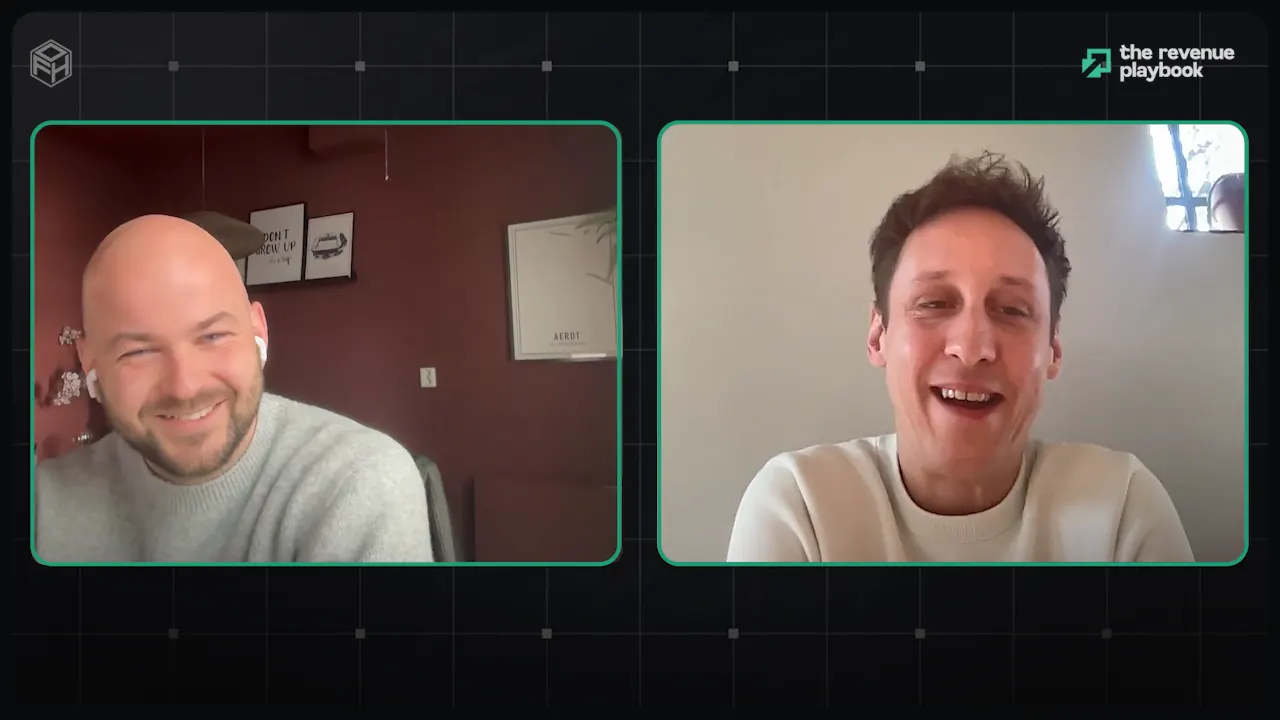
Numbers don’t build loyalty: a CFO’s view
Hotels chase revenue, but numbers don’t build loyalty, people do. Manish Gupta, CFO and acting CEO of Aureum Palace Hotels, reveals why staff retention matters more than cost-cutting and how true hospitality success comes from relationships, not just reports.
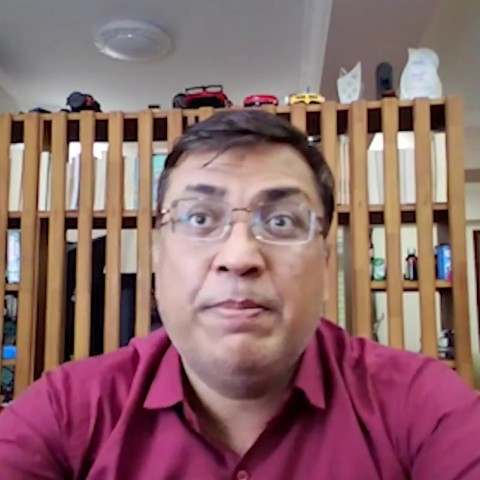 Manish GuptaCFO
Because, ultimately, when you talk about the guest satisfaction, it does not come from the fluffy mattresses.
Transcript
Click a timecode to watch from that moment.
13:53What would you do in your hotels to deliver a better guest experience?
7
the Future of HospitalityYeah. That's a true family. What amazing amazing story. Love this one. And and if I can take it now a step forward to the guest experience. Let's say you have, like, an unlimited resource. Money is no issue anymore. What would you do in your hotels to deliver a better guest experience?
Manish GuptaYeah. There are a lot of things that I can do in in my hotels. Obviously, some of our hotels because of the recent prices, we have not been able to renovate. So we will definitely update the the product. But apart from the hardware, I would spend that money on automations of certain things, not because of reducing the manpower again. I don't believe in in that. But what I believe in is to free up them from the manual job that they are doing and do the personalization at a larger scale. Because now you can use AI for creating the bots and understanding the guest profile even better.
Manish GuptaSo I would rather do that because I I see Because of the shortage of the manpower skilled manpower everywhere. I think it's not only in Myanmar. The shortage of manpower is there in every organization, every country, everywhere, every continent. So we need to reduce the manual work and use the investment to automate some part of for example, guest guest discovery. There's a booking. You have a customer name. You have probably have a phone number and email ID. What if you the GRO is going on the Internet trying to find I mean, in Shangri La, we used to create a personalized experience. So we search everybody and say, okay. Can we find more information about them? What do they like? What are their background? What are their history? Nice. So that we can provide a personalized experience to them. And for it is more relevant for a boutique resort like us. We we are, like, 50 rooms, 60 rooms, 100 rooms at max. We are not, like, 800 rooms or a 100,000 rooms on a commercial basis.
Manish GuptaWe have a repeat customer ratio of about 30 to 40%. Wow. In normal hotel, you don't get that kind of ratio. Right? Because we are boutique result. People come every year, sometimes three to four times a year. Wow. Every holiday they are in in our properties. So we have to take care of them as our own family members. So we have to understand what are their needs, remember them. And whenever they make a booking, they we have to provide certain personalizations. So this can be done by the done by the AI. Right? So if I have money, I would build a system where the when the customer inquiry comes, the agent may maybe my AI agent would discover the customer information from the web, from the socials, and understand what are they care for. And then maybe create a maybe I would have a three d printer to to customize certain things for them. Right? Amenities, you know, certain thing that they you may they may use at home, the furniture and other things. So that that I would use their money into using the personalized you you're doing the personalization of services to the customers.
the Future of HospitalityNice. Amazing. So I didn't know that that Shangri La, they really looked up, like, every client
Manish Guptaand did some research about them before they not Not every client. Not every client. I mean, they they have a way to choose certain number of people. Let's say, for example, if somebody booking a suite or somebody is coming for the very first time, yeah, they they do look up. They try to look up the customer and sometimes with a name or when the customer is coming, they tell which company they are coming from or what are their positions because our reservation agents are smart. Right? They they try to ask the information at the time of reservation itself, and they feed in the information to the GRO.
Manish GuptaAnd GRO, when they read, they judge whether this customer has a potential to be our loyal customer or not. And then they they used to do that. Exactly. Nice. We have in similar process at our boutique resort as well, we we try to understand who the customer is, if not at the time before arrival and during the time of arrival. Nice. How important is them for not only for individual stay, but also for, like, corporate stays and and all other kind of things so that we can generate the
18:21Are there any new stream that you're looking at or did at the last year?
17
the Future of Hospitalitywe can increase the lifetime value of our customers. Super nice. Yeah. The the I think the small gestures that you did even a little bit of homework because the auto hotels don't do that, that makes the difference. People sometimes think that Yes. A big bigger room, nicer view, that makes a difference. But, no, I I really believe that people in the small stuff make a bigger difference. In regards to Yeah. Revenue streams, because you are looking at the hotel, of course, also in numbers, and you have to make you know, it's all about money at the end of the end of the road. Like, what are some alternative or new revenue streams that you are looking for to make money instead of just the, I don't know, amenities or the room? Are there any new stream that you're looking at or did at the last year?
Manish GuptaYeah. Well, some of the revenue stream apart from the room revenue and usual FNB and spa revenue, we we we we are trying to make money and promote customer based community based tourism. So we trail we sell the adventure packages. We sell the community tourism. We are looking at merchandising for Orient brand because people love the brand. So we we try to merchandise everything. And that's not I mean, it's every major hotel does it, but we do it in a different way that we try to use the community to build the moment souvenirs for them, which are locally inspired because we have hotels on the beach, in the mountain, in the archaeological space, in the lake, and also, like, escape. So every location gives a unique perspective of the of the of the of their place. Nice. So sense of the place is also important. So we have, like, hotels in one of our place called.
Manish GuptaTheir their their carving on the wood is very famous, and a lot of peoples, they buy. In some of the hotel, they they do the bamboo mats for the table cloth instead of table, you know, mat. They they they make it with a bamboo, and they that is that can be done only in that region. So we try to merchandise them So it helps the community, and it helps the hotel as well. So that that's part of the additional revenue that normally we try. And nowadays, with the EV stations, we are adding the EV stations on our properties, and we charge the customer for charging their cars. Nice.
the Future of HospitalityNice. So you are always innovating about new streams to to to earn more money, and you're Yeah. What I understand open to new stuff.
Manish GuptaIt's not that we try to squeeze every dollar from the customer, but, yes, we we try to maximize the revenue for the hotel. Because once the customer has already in, we don't have any extra cost of marketing. So Exactly. Whatever done, it comes to our pockets.
the Future of HospitalityExactly. And, of course, it's the mindset that you said. It's not about squeezing the client, but it's also what the client wants. Like, if he has a electric car, he wants to to, you know, do that with you and not somewhere else. So you're always also making a better experience for him means ex you know, paying more money for stuff, but it's also a better experience. So it's not like a win lose. It's a win win. Nice. Yes. And if we can talk a little bit about your role as, the CFO, because I'm interested about how you look at stuff. Like, what is your biggest challenge as a CFO for such a group of hotels? Like, what is the challenge there?
Manish GuptaYeah. We have a lot of challenge. First, we are a group of hotels. We are like a centralized operations. So we have our finances. We have our Patrick? We have our finances centralized. So every, like, purchase, sales, bills payment, collections are all centralized. So we always have issues with the communication with the hotel because we need to finalize the reports as as quite off cut fast. Right? The consolidation of 10 hotels into one, and then we we have to present those numbers to the board of directors almost on a monthly basis. So that that's again a challenge. Yeah. So we we solve that by using the automatic templates that can generate the reports quickly, but that reduce the chance of dealing the hidden opportunities. Because sometime when you use a template, you're not really paying attention to details because you you are you are in a hurry to, you know, find out the insights and ship the the reports. So you're not looking at the reports in the nitty gritty details. So that's a big of challenge that we are trying to solve at the moment.
Manish GuptaAnd yeah. Apart from that, in terms of, like, hotel operations, we definitely, in our country, we have challenges related to revenue. But, like, for example, now, very recently, the in in here, very recently, our electricity expenses have been on rising. Right? Yeah. We see electricity cost going as high as, like, 30 to 40% of our revenues. We we I never seen that kind of ranges because of the current situation. Power cuts and everything else is is quite bad. So we we are struggling to to make the thing. So we we had to do a lot of projects, like, deep down into the every single bulb. So when I go to the hotels for inspection, I see, okay, this bulb is running. Why is it running during the daytime? Can it can I close it?
Manish GuptaSave every single chat at every single cent that I can save. Wow. And it has paid off. It has paid off. We look at every single expense, every single process of, like, why we what does it really add value to the customer or not? Because the my my principle of cost management is it should not hurt the customer. Yeah. True. The money should be spent where it's really needed. If the if if my spending is not helping the customers. So for example, we we have centralized heaters. After in the morning time, after 09:00, normally, nobody is taking a shower. And during the day, it's, anyway, it's hot. Right? Yeah. So there is no point in running the geezers or the heaters for the entire day. We just shut it down, and then we keep them on for another one hour or two during the evening time. True. Yes. It's it's some of it yeah. Water get get cold, but we still have we still see the efficiencies in in energy consumption.
Manish GuptaAnd we plug all the the loopholes, plug all the leakages of expenses, whether it's whether it's anything. So we we don't just rely on reprinting the some of the papers or shutting down some of the bugs to save the energy. We look at whether we really need to run it or not at the first place. Nice. Not just forget about replacing it with something else. So, yeah, cost management has been quite a big challenge for a size of our group with the with the with the challenges that we have in the country and the reporting because we have I'm managing multiple hotels in multiple different type of hotels with multiple different geographical segments Yeah. That we are running. So consolidating everything and analyzing it together with the team definitely process a challenge. Yeah. That sounds like a challenge indeed.
the Future of HospitalityThe whole mix of more hotels, different hotels, the whole situation in Myanmar. But on the other side, that's how you learn because even if the crisis goes by, you still learn how to optimize everything and to make the best out of it. Because sometimes you do things just because it's normal. And if you are in a crisis, you have to to fix all the small parts, and that's what makes your hotel better even after the crisis. So that's
Manish Guptaa that's a good one. I believe innovation helps. Innovation happens when there is a crisis. During none there's no no no innovation happening. Right? Necessity is the mother mother of of innovation. So we we had to find a way to survive also. Whether we are increasing the rates of our room, whether we are managing with the less number of peoples, we are now managing with almost third fifth 60% of our headcount that we used to manage before. Wow. So it's like that 40% is has been laid off. 40% has left because of the current crisis. They left to find other opportunities in other countries. And we are struggling to find the talent in our country, and there's no talent. So what we are doing is we are trying to hire trainees and say, okay. Let's train more people. Yeah. That that that's the solution. Right? You cannot find talented people, so let's train more. Yeah. Yeah. But, yeah, it takes time to teach them.
Manish GuptaBut, luckily, I have I'm also running a hotel school. I mean, I my own personal hotel school plus company hotel school is also there where we are teaching the basics, diploma courses, and we use those resources to train more and more peoples at every location. So it help the community because we are giving them free education, free vocational training, and it helps us because we are able to solve our headcount problems.
the Future of HospitalitySuper nice. Yeah. You you have to do something. If there's no tenant, you have to create that. There's no other other solution. Yes. So nice. And just in in another question, like, you said about increasing the rates of the rooms. Like, how do you decide to when to increase and to what price? Like, how do you decide it?
Manish GuptaYeah. That's a very good question and very tricky one. And answer is, sometime I use gut feeling to say, okay. Yeah. Now it's the demand is increasing, and and we think that we should be able to increase the price. But whenever I think of increasing the price, I always think of I had a customer that if I come here last month, I paid, let's say, $100. And this month, the rate is 120. Why is it a different why I should pay 20 more? Just because it's a different month? Or one is, yes. It's a seasonal thing. Yeah. From nonseason to high season, you definitely have to pay more.
Manish GuptaBut when even the high season, I try to ink I increase the prices. And when I increase the the prices, I always see whether the customer is willing to pay or not. That extra price, that extra it should not hurt them to say, I do not get any extra value. So I always try to add more value to our offer. So for example, with the rooms, when I first run the hotels, we first define the prices. We we did very simple pricing. Single price, weekday, weekend, no differences, public holidays, no difference. It's just simple pricing. And then we see how the the things are working. And then we added holiday prices. Then we added weekday weekend prices. Yeah. And then we increase the weekday price itself by adding more value. So we say, okay. We're gonna give you mini buff free of cost.
Manish GuptaYou pay me at another $10. Yeah. Then then apart from that, when they see the brand demand is keep on increasing, it is not stopping down. And even though my customer my con my competitors are not increasing the price, I still want to increase because I need to reach the breakeven point very, very quickly. We don't have money to, you know, lose. So we said, okay. We're gonna give you laundry for free. We're gonna give you a spa for free. So we added certain value ads where it does not really cost us that much, but it feel the customer feels the value and say, yes. I'm getting a value. That's why I'm paying an extra money. Nice.
30:32What do you think of the future challenges?
23
the Future of HospitalityNice. Love that one. So you give him the value of, for example, a spa, which cost you way less than what he gets in regards to his money. Exactly. Then nice one. Nice one. Okay. Pretty interesting. Let me think about let me see. What do you think of the future challenges? So let's say, you know, the the whole generations are going to be different. You know, younger people are looking for different kind of stuff. They're, on the one hand, you know, more technological technological they they like technology. Do you think that will change in the future that, you know, new generations will will give you new challenges? And what what do you think about about the future hospitality in regards to those new challenges? What what is upcoming?
Manish GuptaI think a lot of disruptions definitely are bound to happen, and we can look at it from the perspective of different angles. So let's say, if you're talking about the young generation who are going to stay in the hotels, we did they definitely want higher technology. They want smart TVs. They want Wi Fi, fast Wi Fi. Even a VR experience or AR experience definitely will add they would expect, and they would really like it. I have see I'll already see peoples are using in the restaurant, like, the the VR menus where they can see the the food being cooked up in front of their tables. So that kind of definite expectations from the customers is always going to be there because we have younger demographics nowadays, especially from Asia and China.
Manish GuptaSo they will expect the hotels to be technologically advanced. Exactly. But when it comes to the working, so hotels, again, have to adopt because the young population is tech savvy. So we we cannot just, you know, work with the outdated forms that they have to fill when they want to take a leave or when they want to claim certain things that you have to ask them to file a form or it takes three days for approval. So those kind of things will not work anymore. Right? So you have to make your internal processes fast and quicker enough so that the young generation is because they are impatient. Then Sure. We are still young. I'm not I also consider myself in the gen z's.
Manish GuptaSo we are definitely impatient, and we get frustrated when it gets stuck. Nowadays, if your Wi Fi is slow, you you know, you turn you switch around the screens. So imagine at the work experience, if finance is taking three days to approve your travel claim or three days to approve your bonus or incentive or pay salary or anything for that matter, how would you feel? Right? You won't feel definitely good. So hotel, I think, not only they have to innovate from the customer facing perspective, but also from the back end. Whether it's rate approvals, whether it's, you know, the assignments, whether it's communication. Nowadays, communication is really, really has to be very crucial.
Manish GuptaAnd people won't read long lessons or long SOPs or long emails to to understand. They want quicker things. Or probably short videos, micro videos, or animated pictures would definitely play a bigger role in communications, I think. So disruption is bound to happen on both the fronts, whether it's employee side or from operating side or from the customer experience side. True. I totally agree. Is very bright and very challenging. Those who are able to integrate the the latest technologies, they definitely are going to succeed or probably survive. And those who are not,
the Future of Hospitalityprobably have to be phased out. Yeah. That that's that's the thing. Because when you said all those things, I thought, like, you know, there are a lot of hotels need to do a lot of things, implement such. Yeah. Yeah. It's so many stuff, but it's really think about now, you know, tech is evolving super, super fast nowadays. And, also, the the demand for tech is evolving super fast. So if you don't adapt, you're going to get killed because, eventually, you cannot hold by if they move so fast. The hotels do adapt, and you do nothing. It's not like twenty years ago, then the gap was smaller, but now it's like a huge gap coming up, in my opinion.
Manish GuptaOh, but in my personal perspective, I think when we are talking about the technology adoption, we also have to see we cannot rush around. Right? Because the hospitality is a kind of stable stability maker. You cannot really change everything every so fast. True. It's a giant ship. Giant ships takes time to turn. They cannot just turn like this. Right? Otherwise, that would wouldn't be sinking today. We shall be having a Titanic. So the giant ships takes time to to to shape, but it has to be swift. Means you have to really see far away. So at the moment, I think we have to watch how the technologies keep on changing. And before we start to adopt, we have to really see whether it add value to our operation or it's just a fancy thing.
Manish GuptaSo for example, every hotel is talking about chatbots. Yeah. Right? Every every website you go, you have a chatbot. Yeah. Majority of them don't work or they work very, very poorly. So because either the prompt engineering is not great. I'm I'm experimenting quite a lot on hospital on the AI part. I'm also working on the building the hotel tech that can help the operations in real terms, in real automations, time saving, cost saving rather than just a fancy name that is AI enabled kind of thing. So when we see yeah. If you have a chatbot which can help the customer in real terms, it's good. Otherwise, it's just a fancy gadget that you are putting on your website just to say you are AI enabled, who dealt. It doesn't really work that way. And the chatbot is forwarding your inquiries to somebody else and who is asking you again the same thing. Right? The same more time. With the agent will ask again. So that does not really give a good experience to the customer. Right? True. That's even more
the Future of Hospitalityirritating the customer than even without the chatbot. But but but but on the other side, what I like about your because I I talked to you a little bit before the podcast, that you are super open minded. And I I think that's an important skill that hoteliers need to have, especially nowadays. They have to be open minded. So some things you do with technology won't work, and some things you do will work. But you have to be open minded and try stuff because if you are just looking for that 100% error ROI, you know, times 10 for everything you do, then it's also not, you know, realistic. You have to try stuff. You have to do it. You have to to to do it, and and that's how you learn, and that's how you know what works. And that's from in my opinion, those hotels are the one that will fail a little bit, but will also have, like, huge successes.
Manish GuptaYes. Well, I think if well, you you take it like a example of the latest I mean, in the hotels, the guest guest bookings are always the one of the point. Right? And you see the rise of OTAs. In my personal view, the OTAs are they're integrating, and they are not replaceable at this moment because hotel themselves are too lazy to adapt. We I mean, they are not really optimizing their website. They're not really giving the APIs or or giving enough information on their on to allow the easiness of booking. That's why the OTAs got a chance to, you know, to footfall to control the the hotel booking space. They are for many hotels, I think, OTAs would be still contributing 25% of the the bookings. Yeah.
Manish GuptaAnd so hotels need to adopt faster. I still see people's like, I have to push my team to post daily on social media, daily on Facebook. But then they complain, Manish, I have Facebook, I have Twitter, I have TikTok, I have Instagram. How many posts you want me to post on a every single day basis? And what do I post? And I have 10 hotels and a small team of four or five marketing peoples managing so multiple platforms. It definitely is not easy. But there are tools, like social media management tools. There are now AI, which can create videos, can create images, can create content.
Manish GuptaSo if hotels are not really adopting these technologies, then they'll definitely will not be able to be discovered. And with the AI now helping agents, helping recommendations, you imagine those hotel which are posting quite a lot every day. They have higher visibility to the agent compared to those who post maybe once in a month or once in a week. So, like, we hear personal branding from the the the most of the on LinkedIn, we can see a lot of peoples are saying you post twice a day, three times a day, and that applies to the hotel as well. You have to post once a day, twice a day, three times a day. It doesn't matter.
Manish GuptaThe more you are visible, the more brand you may have.
the Future of HospitalityThat's that's so true. Like, there's a podium for you. You can take it or you cannot take it, but just do it even if the post isn't else will take it. Exactly. You have to be create awareness because that's where it starts. So I totally agree with you. It's funny that that you say that I it keeps it stays funny for me because you are I see you as a CPA, CFO, and you're the one that's saying this kind of stuff. And you sound like a people's person, but you are a numbers person. So you're kind of a mix. So I I don't see that quite a lot, that that mix.
Manish GuptaSo that's a Yeah. You can say you can say that because I have a unique blend of numbers. So I I started my hotel journey as a CPA, so I have I number I mastered the numbers. I have actually written a book on technical guide to budgeting and forecasting that's live on Amazon at the moment. And also but I I believe when it's ever since, like, this this journey has been only for last two, three years. Ever since I started to take care of operations, So I mix with the peoples. I hear what the staff is saying. I hear what the customers are saying. So when I have to go on sales call, imagine the CFO of FC who never met a customer at the breakfast when I was like, it's a small story.
Manish GuptaWhen I was in Shangri La, my GM, his name his he was German, France. His his name was France. And one day, he pushed me to go to the breakfast and say, okay, Manish, you have to be going to the breakfast. And say, why I have to go to breakfast? I have to finish these reports. I say, he said, no. No. No. No. You cannot. You you are a HOD. You are a director in the company. You have to be there. Then he pushed me to go to the breakfast, and then first and he say I I I said I told him, I'm not a very shy person. I cannot speak to people. He said, don't worry. Just go there and stand.
Manish GuptaDon't do anything. Just go there. Just show your face. I said, okay. Fine. I will go. When I'm standing, I'm bored. Right? But I I see a couple of, like, familiar faces. So I started he teach me he asked me to talk to at least Indians because I'm a I'm background from Indian. So I every time I see an Indian customer, he said, go and talk to them. Yeah. You can speak the same language so you can just explore. And then I quite liked it. Right? I go and then I speak to the few peoples. So I like talking. And that that that day, I I missed my morning brief, but just because of the I'm still stuck in the customer, and he was keep on talking.
Manish GuptaBecause the customer was also first time in Thailand, he had nobody to talk to any in Hindi, and I was talking in the Hindi language. So he said, please stay here. I I want to talk to you. I have not talked to anybody in Hindi since, like, so many days. He became a good friend of mine. And after that, I went to the custom he pushed me quite a lot on handling the customer complaints because I always say, hey, why you give this rebate? Why the staff has to sign give a wine for free? Why they cannot settle with a glass? And they say, okay. Next time, you go and do the service recovery. You will
the Future of HospitalityNice. Love that one. Yeah. So that's a great thing. You have to understand the perspective of of operations. Otherwise, if you just focus on the numbers, that doesn't work.
Manish GuptaYeah. And I I miserably failed at my first service recovery. I almost gave away the hotel of entire refund and plus the another hotel's expenses of and he said he told me, I am not blaming you, but you see now how hard it is to face a angry customer. I say, yeah, I understand. I will practice more. So ever since I'm learning, and last two, three years gave me more chance because there was nobody to talk to customers. I have to speak to them. I have to go and sell my hotels. And I now quite like it, actually. I like people I like talking to people. I like selling.
Manish GuptaWithout selling, my motto is never to sell. I always try to stay don't be pushy, don't be salesy, Always understand the customer needs, and I always teach my sales people nowadays, don't try to sell the hotel. Try to sell them a service. You are not a hotelier. You're not selling a room. You are selling an experience. You are selling a service. If the customer is coming for their team building, you don't sell them the room. You don't sell them the menu. You sell them the team building activities. True. And that comes with the rooms. Obviously, you have to stay in the room. Right? And you get I will not allow you to go outside and eat. You have to eat in the hotel also.
the Future of HospitalityYeah. That's true. Nice. So sell the big picture. In the most percent to a
Manish Guptahoteliers.
44:40Is there anything else that you want to add in this podcast, want to say?
15
the Future of HospitalityNice. Really love that point of view. We're basically almost out of time. Is there anything else that you want to add in this podcast, want to say? Anything you want?
Manish GuptaSomething. Yeah. I mean, we if if I want to if I can ask you a couple of things, like, have been doing these podcast with so many customers. What in your view is the future of hospitality?
the Future of HospitalityThat's a good question. I think that the future of hospitality is, first of all, blending technology because technology will play a super important role, but it has to be, like, enhancing the the the human part. Because if it replaces the human part, it's not going to work. And and the second thing is I think that, like, that's my own opinion and also what I understood from other conversations. It's It's like like making it more visual that play is going to play in a really important part. So, for example, nowadays, when you send an email and it's just like a a plain picture of something, that really the future because the the new generation want everything visual. So I talked with an f and b expert expert, and he talked about how you have to look at a restaurant of hotel, not not as just an amenity, but just really as a restaurant.
the Future of HospitalityAnd how restaurants do it, they post a lot on social media. They post the food. They show the food. They and I think it's not only about the food, but that's the whole concept of hospitality is more showing more the experience, and experience is, of course, with video. It's 10 times better than just without Yeah. Video or just a picture. So I think that the visual part and the personality part that will play a huge role, and the more technology will involve, even more the personal touch will be appreciated. That's what it what I really think, and, basically, everybody said in the podcast. Well,
Manish Guptahotels are, like, are nothing less than a Hollywood Hollywood story. Right? So everything has to be visual, has to be everything has to be story, everything has to be crafted, scripted not not really scripted, but it's come from the authentic authenticity of the the communication. And I think you you said it very right. When you read a email, if you instead of writing reading an email, you speak to the person face to face, that's really change the communication style because a lot of things you cannot write. If you are angry, you can show your face in the angriiness, but you cannot write that in the that I'm angry. Right? True. You don't know how the people will react to it. So it is always good to have a visual communication with the two.
Manish GuptaYeah, what what tools you think in from your experience? I am speaking to a lot of customers. What technology the the peoples are now prioritizing to build for automations?
the Future of HospitalityFor automations, of course, a lot of back end automation. Like you said, there is not like, there are there are a lot of AIs, of course, a buzzword, but it's also, of course, something really valuable. But when you talk about con conversational AI, like the chatbots, really, a lot of things can go wrong. Because, for example, a chatbot can x can ask for credit card details. The customer can give the details, and then it's not safe. It's not you know, that's not really a conversational. I think we are not there yet, so a lot of things need to need to be changed to make the conversational part really good because it's all about how you prompt it and the data and all that kind of stuff. But then on the other side, like, back end stuff, like, I heard about, for example, reservation teams from big change that need to take this email, send it to this department, this email to that department, this email to this person. They do it they do it like people do it manually. Like, they come to the office, and they filter emails and send this one to this this person and this one to this hotel.
the Future of HospitalityThat part is like like, that's really AI. You can just filter Delete it. And send it. Yeah. So I think the the automation will be more on the back end part. The that's why I think automation will be firstly implemented before it goes to the front end part because there a lot of things can go wrong, and it's more dynamic.
Manish GuptaCorrect. Correct. Yeah. You're right. I think the the agents agent tech AI will definitely I am hearing quite a lot from '2 in 2025 with the year of agents. With a lot of open source models coming in, reasoning models coming in, I think it will be much much easier to to build these kind of agentic AI, which are really, really smart. And we which can really think like a proper with a prop with the reasoning. So that that, I think, will improve the automations even further. So I'm I'm also excited to look at the upcoming models that are coming in and see how we can utilize them to build the automations to help not only the sales, but also the operational teams, menu engineering, finance teams in in analyzing the hotel a p and l or GS to identify the insights where they can improve and how they can make more who does more profitable more profitable.
the Future of HospitalityThat's for sure. I think that's that that will the question is when, but not why. The question is not, like, will it happen, but when it will happen because that's that's a no brainer. But on the other side, I have to say that that what I personally really believe in, from my own experience also, that authenticity, that's what you also said, like, a few moments ago, I think that that one is becoming even more important. So sometimes, for example, you talk about you know, you said that some people are managing the the social media. And when something is thinking about marketing, everybody thinks about it has to be perfect. The picture needs to be awesome. You know, this is not really nice and you know? But that's that's not the point. I think that authenticity because when people see a really nice adaptation, and you keep scrolling on LinkedIn, for example, and you see a nice adaptation, you know it's an ad you know it's advertisement, so you don't even stop. You go you go on because, you know, this is an ad. But when it doesn't look like an ad and it's authentic, that's why you stop. So I think that the authenticity and even that it doesn't look great and it looks a little bit, you know, amateuristic in one point of view, but there's, of course, a a blend of when it's too amateur and when it's authentic, but I think that will make a real big difference. So for example, like you said, a lot of hotels, they have just a picture of a room, just a picture, but why don't you take your your iPhone and just take a video and put it on a website? Yeah. Of course, it's not like the it's not like a Hollywood camera, that kind of but it's it's authentic. Why don't you do that? And others another thing I really believe in, like, a lot of people talk about how people make the difference, but when you go to the website of the hotel, you don't see any of those people.
the Future of HospitalitySo why don't you take a video of your staff members, and you ask one of your staff members Yeah. Like, hi, Peter, whatever your name is, what what what do you like about the hotel? And then he just starts talking. You put it on the website, and they see somebody from the hotel. And it's all about authenticity because that's not replaceable. The authenticity part is not, in my opinion, not replaceable. That's something that AI cannot do. He can, of course, say in everything you want, but he cannot be authentic as a human.
Manish GuptaYes. Yes. True. I think that that's that's fairly a 100% true. And these are when these are revenue generating opportunities for the hotels. I think the hotels must I mean, we def we definitely will see them coming more and more in in production production.
the Future of HospitalityI hope so. I hope so. That's for sure. Yeah. That's great. That's great. That's great. Manish, we are we are kind of out of time. I I think I can really talk to you, like, for for another another hour for sure because you are really inspiring me. So I want to thank you for your time. It was really a pleasure to have you as our guest, and I'm really looking forward, like, what you're going to do at the motels. And I think we should keep in touch and see how it goes after a few a few months.
Manish GuptaDefinitely. Definitely. Definitely. We I would love to come back with my latest updates on how I'm using the AI in hospitality for automating my finance task plus also the operational things that I'm building. I'm also building I'm on the verge of starting a my own hotel tech venture to to try and build a couple of solutions for for hospitality just to start with and see how it takes, you know, to help the the hotel operation teams.
the Future of HospitalityNice. I'm curious to whenever that's ready, let me know because I sure want to see what's coming up with.