






















Mövenpicks 'Heartists'-Ansatz zur Gastfreundschaft
Remco teilt das Wesen von Mövenpicks einzigartigem 'Heartists'-Ansatz, einer Verbindung von Herz und Kunst und Mitarbeiterbefähigung in der Hospitality, die unvergessliche Gästeerlebnisse schafft. Von der Befähigung der Mitarbeitenden, echte Verbindungen zu den Besuchern aufzubauen, bis dahin, jeden Aufenthalt wahrhaft persönlich zu gestalten.
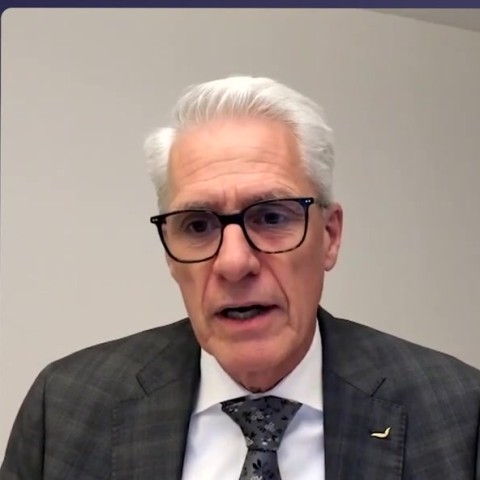 Remco GroenhuijzenGeneral Manager
And in this ten minutes, they judge if the service was well done, you know, and they judge your product in your hotel.
Transkript
Auf eine Zeitmarke klicken, um ab dort zu sehen. Die Aufnahme ist auf Englisch.
04:24Can you tell us something about that?
7
the Future of HospitalityWell, let's talk about that a little bit more because there are many chains and different ownership structures. Can you tell us something about that? How do you set yourself apart from that? Or can you tell us a bit more about that that that collaboration?
Remco GroenhuijzenYeah. Well, I think it's okay. From a from a manage managerial point of view, I think it is you have to manage on a different way because there are different, I call it, targets for the different owners. So I think the building owner wants his rent and and the operator wants his fees. You know, he want to to run the business. And our core wants to have the brand alive because brand equity is very important. And so sometimes this mix and before, when I said it was one, so you have a little it's a little different. If you talk about the different brands and and in in there, if you want to distinguish yourself from the competition, that I think is is becoming more and more difficult because there are so many different brands. And the landscape to give to give you an idea, when I started with our core, we had, like, five brands. So Patel, Ibis, McHugh, Noctel, and now maybe from Milovan.
Remco GroenhuijzenAnd at this point, they have 48 brands. And sometimes when I talk to marketing, I said, okay. So when I'm a client, how do I know when I'm in a MERVPIC or when I'm in a hotel or, you know, in a in PUMAN? Maybe PUMAN and MERVPIC, you can because they compare those premium brands. So what is now really the difference in these brands? And I think for us, the general managers, to really, yeah, you you know, distinguish yourself to be, yeah, preferable by the guests, that's that's something challenging nowadays.
the Future of HospitalityI can imagine that. Indeed. And when we talk about that, let's move to the marketing point in this in this interview. With so many different guests and different levels, how has marketing changed over the years?
Remco GroenhuijzenWell, I think in basic, I always say it's it's not much changed since, I don't know, a long ago. I mean, you know, I always say the old thing, what we learned in school, you know, you have a place, then you have a price, then you have a product, and then you have people. And as you know, when people wanna come, for instance, to Amsterdam, you know, they have certain spot where they wanna be, and they will look in that area for a for a certain hotel. Of course, there are brands. Take brands like Rosewood or, let's say, that's more of the upscale brands that people really come for the brand to that hotel. There are Four Seasons that are brands that that really, yeah, attracts people. But normally, people go to a certain area and then they want to move there. So if you do your marketing, it's most time, yeah, area driven. And also, what do you do in your in your price? And then, okay, does the product, of course, fits with the with the guest that wants to say. And so I think that that has changed.
Remco GroenhuijzenAnd I think what has changed moreover is is, yeah, of course, the whole situation with Internet in the old days. And the sales manager went to get to a fair or, you know, they they they went to visit corporate clients, you know, they they had to bring them. And that that was why and it's also some maybe to the first question, of course, sometimes put certain brands in certain areas where they knew it was not profitable. I remember when Marriott came to I worked for Marriott in Amsterdam. When Marriott came to Amsterdam, they knew they were gonna lose money for the first ten years, but they wanted a hotel in Europe for the first time, you know. So it was one of the first Marriotts in Europe.
Remco GroenhuijzenSo then it was more a different strategy. Nowadays, you would not do that because nowadays you put your brand and your whole branding is more about how do I present myself on on social media or Internet? How can you find me? You know? And because that's more key nowadays than it was than it was before.
08:24Can you tell me something about your procedures?
21
the Future of HospitalityIndeed. Yeah. Digital marketing is very important right now. There was another question that I had for you, but you you just answered that question. So speaking about that, different people, different kind of marketing, different levels, but there are also processes and procedures in place within the hotel. How do you monitor those processes? Can you tell me something about your procedures?
Remco GroenhuijzenYeah. Sure. If you're if you if you look first of all, you know, I think what I said about marketing and that's your I always say that's that's the story you tell. And I always tell my staff, you know, we tell a nice story about this hotel. So somebody comes with a kind of idea to the hotel we expect. So the expectations are high. And when we do not deliver this expectation, we do we promise, but we don't deliver, we get a complaint. And in this part, we can skip two things. First part is the the product part, so that's why I always say, sure. Make sure that the pictures on the Internet are also actually what we present.
Remco GroenhuijzenAnd so that it's it's really, like, flagging. As serious people nowadays come with it, oh, the room was not on the Internet, but okay. And when it's like there are a lot of pictures. I had that really done. But the second part, of course, I call it always the soft part and that's the that's the staff. The staff that makes really the difference. And, well, we do that, of course, and all hotels do it, of course, by by doing a kind of training. And it starts, first of all, with your introduction. So you like to, you know, to to to bring over the culture that you wanna bring in your hotel or your for your brand. You have to, yeah, you have to tell your staff what you expect from them and and, you know, so it's besides the normal procedures like doing a check-in, check out. But how is how you wanna do that? Is it in a budget chain? It's much more open. In the luxury chain, it's much more formal.
Remco GroenhuijzenAnd so it's more in in in in that part of procedure. And as a introduction, besides that, for instance, what we have in our core, we call it the hardest program. And it's funny because it's a program was actually as a layer over all the brands because we say we like to have people more, interactive approach with the guests, and artist is actually yeah. It's the word heart and artist. It makes sense. Interesting combination. Yeah. You know, I remember always I remember once I saw an advertisement from an hotel in in Las Vegas, and I thought it was very, very good because they said, you know, we are not in the hospitality industry. We are in the entertainment business.
Remco GroenhuijzenAnd, you know, and and and we all know this, you know, what Disney, of course, is very good at that, but,
the Future of Hospitalityyou know, you are kind of a show, you know, and but people have to know how to to play that, so you have to be teaching that. Right. Indeed. You triggered a question with that. There are different kinds of guests, of course. I mean, look at myself. I love to travel. I love to travel for leisure, but I also have to travel, and I travel a lot for business. So how do you cater to those different kinds of well, those are only two, but you got many different kinds of guests. But let's talk about these two different kinds of guests. Can you tell me about your approach?
the Future of HospitalityBecause they expect different things.
Remco GroenhuijzenYeah. That's I think this is also a challenging part with your staff that they can read the guest, what I say. You you can feel when somebody walks in. Most of time, you can notice somebody is a business person. They're they're the way they're dressed, the way they look around them, you know, and it's how much love is there with them. So so you you should adjust your service level. And that's sometimes, you know, you have your procedures. Yeah. You have your standard operation procedures. We do a check-in. We want to go by a certain pattern and and a certain sort of questions. But you should also know that at that point, you should maybe skip a few questions because you have a different guest. And on the other hand, we have the leisure guest.
Remco GroenhuijzenYou should take and most of we take more time. They're much more interested to know what is locally happening. They like to be involved. You can make a little chitchat. And even there is also about nationalities. I mean, the way, you know, in in in our hotel, I think we see over 60 nationalities coming to this hotel. So if you have somebody from Egypt or Indonesia, completely different than somebody from North America. Right. And so it it this is also a challenge how to train your staff, how to to deal with it. And we do that by having programs and role play, things like that. We have a special training about nationalities.
Remco GroenhuijzenNowadays, it's very difficult what you say, but very careful what you say. Well But but again Because you don't wanna you don't wanna stereotype many people, but in the end, it's it's it's it's all done.
the Future of HospitalityWell That that No. You're you're right. You've got so many different people, so many different and and you know what? In this era compared to, like, twenty years ago, guests are way more educated. They know exactly what they want when they travel. So they sometimes they know more than the staff. And when I when we go back to staff, you talked about staff. How do you combine the the the staff that you have, like, for twenty, thirty years in your organization and people who just graduate from hotel school, I mean, they have total different views and maybe even ethics. So can you say can you tell me something about that?
Remco GroenhuijzenYeah. What I think you can add something else on it. There is more that that's what I think is really a pity is that that a lot of people, work in hotel business or in hospitality industry or restaurants just because as a job. And, you know, that that we do understand that, especially in Holland. Again, we have a lot of, yeah, like, the Dutch young people. They see it as a job you do when you study. You come, you do, you study, and that's it. Right. And I think, yeah, to have this mix on one end, I'm very proud that we have we have 22 nationalities in our team. So that that is a positive way because if you talk about languages, people who come here, guests who come here, we can all speak with them and and we can help them.
Remco GroenhuijzenBut I think also the mix of young and older people is important because the the young ones can learn from the old ones, yeah, what the what the experience they have. But also, the young ones keep, yeah, a little bit more trendy in in nowadays world. So they they're more if if people talk about telephones or things like that, they get much easier to turn around it. But I think it's it's also you know, you what I think is difficult is you see a shift in society about work. I don't wanna say ethical parts, with ethics more to say. Yeah. And and and that's something where I, as a general manager, have sometimes you know, that that that's some difficult. They work and and especially in Holland, you know, there's hardly no unemployment.
Remco GroenhuijzenSo people, they they work because they they need money, and they'd like to work on this day or that day or that day because in the private situation, they have sports or they have children or whatever. And, yeah, I I I sound like an old guy, of course, when I said, yeah, in the old days, you didn't come with your personal problems to the hotel. But now these people are very open to it. They said, okay, wanna work this day and this day and then they because of this. Yeah. And it's not okay. I'm fine. I go somewhere else. Yeah. So you have to you have to maneuver in in in in that not to, know, to admit everybody who wants to have Sunday off, give them Sunday off, but you have to maneuver. It's you know, if it would say tomorrow, okay, this is your schedule, and if you don't show up, you're out, yeah, then I have no staff. You know? So this is a period.
the Future of HospitalityYeah. Thanks to over the years. I noticed that myself, and I can from my own experience, not necessarily just in Amsterdam, but in different parts of the world, I can see that has changed. It's not in for in many cases, it's no longer a career choice, but indeed, it's a job. Yeah. So that requires also a different approach from from you,
Remco Groenhuijzenfrom your point. So, yeah, you have to and and that is what you see that people are willing to learn and also, you know, so we do we do extra trainings and especially what we train for and that that's a little bit coming back to the the previous question. What I see is that a lot of young people, they have yeah. I'm gonna say it's the sort of, you know, difficulty with small talk. You know, I always give you a help. I always give the example, you know, when I do an introduction, I said, okay. You have two people from, let's say, from The US. They come to your hotel, and you're standing in the elevator, you have to go up. Yeah. You can you can do three things.
Remco GroenhuijzenYou can say nothing. So, you know, it's very quiet because before you're on the 20th Floor, it takes a little while. And so the second thing is you start about politics. Do you like Trump? What do you like? No.
the Future of HospitalityI don't. I wouldn't do that. I think this is you have 50% chance
Remco Groenhuijzenthat they just they should come alive out of the element of it. I know. I would not do that. But The last the last part you do is is you talk about, and this is your first time in Amsterdam, and did you join? You know? And you start this conversation. And I said, because do always remember when when when a when a guest arrives at this hotel, a businessman, he arrives, let's say, at 05:00 in the afternoon, stays overnight, he leaves at eight in the morning. The actual time he's spending with a a a staff member is maybe seven to ten minutes, you know, check-in two minutes. He goes to his room. The room is not talking. He goes to the restaurant. Okay. The way that takes the order, the way that it makes a little chitchat, but that's it. You know? And in this ten minutes, they judge if the service was well done, you know, and they judge your product in your hotel.
Remco GroenhuijzenSo this interaction, once you're in in contact with the guest, also search for it. I mean, you know, when you when you're in the elevator, do not say nothing. You start talking, you know, and and maybe you can help people. You can be interested and show interest, ask questions. And and now I see that a lot of younger people, they they struggle with this conversation. So we we teach them. We do role plays, all that, and and also on subjects where they can talk about. We teach them things about Amsterdam because we have a lot of international people. Yeah. They come from from Spain. But, yeah, they haven't yeah. They have maybe heard about the right machine, but they don't know where it is, you know, so you have to educate people on that level.
Remco GroenhuijzenSo there's there's a lot of investment to be done in the staffing, and sometimes the frustration for general managers that somebody after a year says, well, I've seen it. I've done it. I'm going to my next step because I wanna make career. And that was a pace, you know, when I was younger, you know, normally, you stay for two years because otherwise, it could give you an idea on your on your CV that you were job hopping. Yeah. That's I would know. Problem.
19:50How do you deal with that data?
9
the Future of HospitalityI was job hopping when it was another thing. So I was my time ahead, I think. But you're absolutely right. It's mystery guests. That's also a thing. I mean, you get feedback from your regular guests, from your guests, also also through social media. These these reviews. I understand you also use mystery guests. How do you deal with that data?
Remco GroenhuijzenI always say it's a kind of lineup. So we we train the staff on the SOPs. There are we have about 1,500, let's say, touch points in this hotel. That's about are the two towels, it's a show, but also that I was welcomed, did they offer me port service. So we have this whole list that is this done with what we call LQA. They do they do this for all premium brands. And then you have a core standards and you have very big standards. It's more about the products. So we teach the people, we train them on that. And then there are different kind of feedbacks.
Remco GroenhuijzenThe first, you you said about the mystery guest. So twice a year, we have mystery guest. He stays here overnight, goes to dinner for a restaurant, goes to the bar, and writes down. And I I I like it because it's it's not professional because when I say to I'm standing in the lobby and somebody of the chef is checking in, I said, well, you forgot to ask if they need luxury assistance. But, yeah, I was busy or the suitcase was too small or I said, no. It's one of our standards that we offer that. You know? So and and when the missing case comes, you know, there's no debate. It's not like it would happen. I was not there, so you should and it's not to but it's just to, you know, to to not go confront the staff, but to show them from somebody who experienced this and also show them, you know, this is the culture that we wanna create, and and this is what you're showing. So how can we train you? What do you need to to perform on that? And so that's good.
Remco GroenhuijzenNow besides that, what we do is we have yeah. That's something, of course, that that's yeah. In the last fifty years came up. Of course, all the reviews on on the Internet, on Google, on Expedia, on through through the Pfizer. And so do understand that, you know, we have about 40 we we have 408 rooms. So we've per day between thirty and forty reviews on our website. And so what we do, we monitor that. We all answer them. You can see that if you go to Google, and they answer it officially by me, but I do it with my assistant. But she is monitoring it, and when she has the one, we answer that. But we use this feedback in the morning meeting. In the morning meetings, we say, like, okay. This happened. This is what we saw. But we also complement. I mean, it's not about, oh, this was a complaint. We also give compliments. And what we do is when a person you know, we have we have a program at eight, we make moments in the service where we said they do something extra, step in the shoes of the gas and see if you can do something for them. And it's it's interesting because I'm always surprised that people really write a name down because they have a name tag, but, you know, it's not always recognized. But I said, if somebody writes your name down, you know, review that means you really appreciated your service.
Remco GroenhuijzenSo what we do is we we record that and we have, a stamp card. And if you have 10 times your name names, you know, we give you a a price. And so we do a celebration, and that's what we do. We have every time we use a quarter, you know, and then we do also there the person with the most big name. And it's a little, of course, because why you say 10 times? Noticed there were some people, they were very yeah. They already had four or five. First, they did but you were named. You got the we I'll give you a kind of chocolate bar, but somebody was almost eating every day chocolate. So to do it this way. I wanna say it's it's also that m m at the end of the month, what we do, we analyze all that and we use a program for that. It's called trust you where we don't do that by end.
Remco GroenhuijzenAnd we look at all the positive points and all the negative points, and we discussed it in the operational meetings. And, yeah, from negative points, we have to see how can we improve it to to go further with that. That's something something maybe what I wanna add on that, it it this it's it's nice because it gives us feedback. Yeah. We have our own review that that we sent out ourselves. But there's also, of course, a black side on it and the dark of dark side, you better say it. The dark side is that, yeah, the staff gets threatened. Well, if I don't get an upgrade, I'm gonna get right a bad review.
Remco GroenhuijzenIf you don't give me this, I'm gonna write that. It's pretty depending. Yeah. So it's it's sometimes it's also if you talk about the change in society is that hey. I always give to the the the that many years ago when somebody went home when he wasn't happy, he had to start pen and paper, write a review, put a stamp, go to the mailbox, send it. You know? And then you're most done when you came home, you said, okay. Yeah. It was not so good, but okay. It's fine. Nowadays, you know, I had last week again, somebody on Expedia, and she checked in, and and we get straightaway a review.
Remco GroenhuijzenThe check-in took too long. You know? But the person didn't say anything on check-in or didn't mention you can also say, okay. Can I see you manage it because I'm not happy, whatever? No. No. She goes upstairs. Then when you call them, they're a little bit shocked. Oh, did you read it? Yeah. You know, you put it online. Fine. They just laid it on. You called me, so, well, you're not happy with the chicken. Yeah. Okay. It was not that bad. Blah blah blah. But they give me a one. No. When do you no. When do you you? So so this is so this sometimes to the staff is also, yeah, dealing with feedback on that way is is well, we have to we have to train people as well on on that.
Remco GroenhuijzenSo but it's what it's we're the dark side. We use, of course, to improve our product and our services. Yeah. It's it's definitely a major challenge. I understand that. That brings me to
25:59How do you stay up to date?
16
the Future of Hospitalitymy my last questions of this interview. You you you you explained a lot. But one thing I want us to to to know, and that is kinda build a bridge to what you just said just just before this, is the the guest of today and the guest of tomorrow. What do I mean with that? Today's guest? Well, you just mentioned it. I find it very demanding. And but do you have vision yourself, an outlook of the future, how things are going to develop? How do you stay up to date?
Remco GroenhuijzenWell, I think there's there's, of course, a lot to do about AI in in and we read a lot about it in in magazines and all that. I think the whole AI will help us in revenue management, in scheduling, administration, marketing, you know, to to to get ideas and and to work on that. And and this that was I think that's good. What I think if you talk about the the relation with the guest, yes, if we take all the administrative tasks, we ask at the reception, we can have more interaction with the guest because I still think that it's important. We And saw it a little bit with COVID. When when when when COVID was there, everybody said, Remco, my business, it will never be the same like before. Well, last year or this year, I had almost the same meetings, groups as in 2019.
Remco GroenhuijzenAnd so people still want to do the the, yeah, the the real thing. And so and I think is, you know, that the guest will get annoyed if you still will ask for all these procedures, know, that should go be be smooth and and all that. What I'm what I also also want to, yeah, to mention, what I don't think how that will develop is if you wanna think smooth, that means you also have to give a lot of information. And I saw that our core introduced a to to to open your door. You can open the door with your phone. That sounds to be great because, you know, you don't have the key and all that. But at least you have to download an app. So if you come check-in, I tell you, okay. You have to download in first this app and then that app, and then you have to fill in your information, your name, your phone number, and and, you know, you see that people start a little bit like, where is all this information going? Because AI is happy because it it collects a lot of information, but it also collects this information.
the Future of HospitalityYeah. You know? And and
Remco GroenhuijzenI think so on the on the technical part, it will all help. It's also will the guest accept this, But people are still, yeah, coming to a city to to, yeah, to see the local things and hear things, and they like to hear it also from the insiders. I think the personal touch will be still very important. And And what I said about the the private or the the the privacy issue, you know, when you start to get too much information, I would say, yeah, you there is this saying, yeah, what happens in Vegas stays in Vegas. But, of course, in hotels, we also have this that that people yeah. They they don't wanna know everybody to know that they're here, you know. So it's that that depends if you if you need all this information from somebody and you can track them also where he's walking.
the Future of HospitalityI don't know if it wants to to do that. I understand it. So the guests well, what what they want in the end is the same good service. They wanna have a happy stay, and they wanna bring home a good memory. But new technologies is requiring from your guests that they fill in a lot of information. I I I experienced that myself, and I never thought about that. But indeed, you need to fill in a lot more. There's a lot more details and information that, not just hotels, but everywhere that they want. So talking about you mentioned AI. I'm wondering how do you is there where in your organization have you implemented modern or advanced technology like AI?
Remco GroenhuijzenNo. What we did what we did, we have a chatbot, but that's actually managed in an old fashioned way. I mean, you know, I I remember this is already two years ago when we started with that. Our core started with that. And that is really you know, we are we we put in an Excel sheet 250 most asked questions in in three languages. Yeah. I think with AI, you can easily change that to 100 languages and also scrape this information on a complete different different way. I think AI, what I said, is gonna be more in the in the forecasting revenue and what we call also yeah.
Remco GroenhuijzenYou call it search engine optimization. So how do you find your this is gonna be a big thing. Yeah? Because nowadays, we pay to Google to be on a certain level when you look for my hotel to pop up. Yeah. You wanna be there. You know? And, of course, most of booking.com is the first one because they pay a lot. But they are gonna change that when the search machines gonna see. So I think we really have to monitor to be yeah. To to see how we can be still found by the guest and and also give the right information to the guest. And because if if an if an AI start to scrape all my reviews and you would say, like, well, give me the most 10 negative reviews, you know, that gives you also a feeling about a hotel while, yeah, maybe from when I have 100 reviews, there are two negatives. You know? And and so I think it will it will change, especially in the in the travel industry, how to book your hotel, how how you book your trip.
Remco GroenhuijzenBut I still hope that people, yeah, keep their own creativity. And and and to come back maybe to the to the reviews, I know that it's been offered to us as well, of course, to to answer all the reviews. So you do the review, you put it in a program, which is kind of chat GDP kind of thing, like answering in a in a path way, and you get an answer. But Right. If if if I look at some answers from reviews, I can already see it's written by AI. You know? There is Okay. That's that you saw, like
the Future of HospitalityIt doesn't have a feeling. It just has no emotion. That's what I noticed.
Remco GroenhuijzenAnd then and what I sometimes that's why when we when I reply to reviews, I make a joke. I make, you know, most of them first little bit personal touch, you know, and AI has not so much humor yet.
the Future of HospitalityNo. No. No. No. But technology advances, and that's actually the business be behind this that we we work with AI as well. And what we have I'm not sure if you know that. That's the guest journey part of this organization where this podcast is is based on that's the use of advanced technology, AI, to advance to even make the personal touch better. And that's something else, but that can people can find that on LinkedIn. But that is something I I feel that there is AI can help in a personal touch, but it it cannot replace the personal touch.
Remco GroenhuijzenNo. And and and what I said, it's you know, some people say, like, well, you don't you won't have any any staff anymore. You know, even even in the airline industry, you know, I was flying last week to Berlin. And, actually, I go with my QR code. I go in and I go to the plane and but there are still two ladies there. Welcome, you know, and I hope you're fine. Do you have a question? You know, if there's and there's also the safety aspect. I think if you would come in in my hotel at night, so you check-in at eleven, there's nobody at reception.
Remco GroenhuijzenYou go in this hotel, what is four hundred four hundred eight rooms. It's it's it's not huge, but it means quite a big hotel. Yeah. You know? And if you now come in, you see your security guard, you see two people in reception, you know, bar is open, you know, that yeah. That that still gives you a feel like, hey. There's a human human touch. And I think Yep. That's that hasn't changed, yeah, for over this this, you know, hundred years, I mean, where we're in the hospitality industry. True.
the Future of HospitalitySo in the end, we have a lot of technology. There is many things that are changing, but what it comes down to is the personal touch and the experience of the guest. No matter if it's a business person or it's a leisure guest, it's it's all about feeling comfortable, feeling at home, so to speak. Yeah.
Remco GroenhuijzenYeah. Yeah. For sure. Don't worry. Yeah.
34:29Is there anything else you wanna share with us?
6
the Future of HospitalityIs there anything else you wanna share with us? I think we touched a lot of topics, but is there anything that you want to share with us from your personal experience or point of view?
Remco GroenhuijzenNo. I think I think it's nice to to talk about it, and I would have said I I always feel like I do a lot with with hotel schools, you know, where, like, when when people have to study, you have to have to interview. And because I see that on hotel schools, at this point, they they have lot of subjects they have to deal with, especially on this technical part. Actually, yesterday, I had an interview with two students, and they to come up with an idea where AI was gonna help us in our service aspect. So they're gonna ask me about customer journey and things like that.
Remco GroenhuijzenAnd so I said, what are you thinking about? You know? And then they had a you see that they're struggling on that point. But I think it's good that the hotel schools are following what's happening in in in society because when I was in hotel school, yeah, I learned the same thing as it was twenty years before that. You know? We always said when we came from from hotel school, you came in a hotel, you said, well, this is a completely different world. And I think it's good that this this nowadays, this this university's much more look what's going on. Otherwise, yeah, the the young people will get lost and they get bored.
the Future of HospitalityYeah. No. I get it. Totally. Absolutely. Think this is it. Think this is it. Pepco? Yeah. Well, it was fantastic. I am I'm honored to to have you as our have you as guest today. And thank you for all your information. And, yeah, maybe we'll see you in Amsterdam.
Remco GroenhuijzenWell, happy to share. And when you're around, you're always welcome for a merch pick coffee.
the Future of HospitalityOh, I love you. We surely will do that. Nice to see you.
Lies den Artikel zu dieser Episode →