Die nächste Generation von Führungskräften im Gastgewerbe prägen
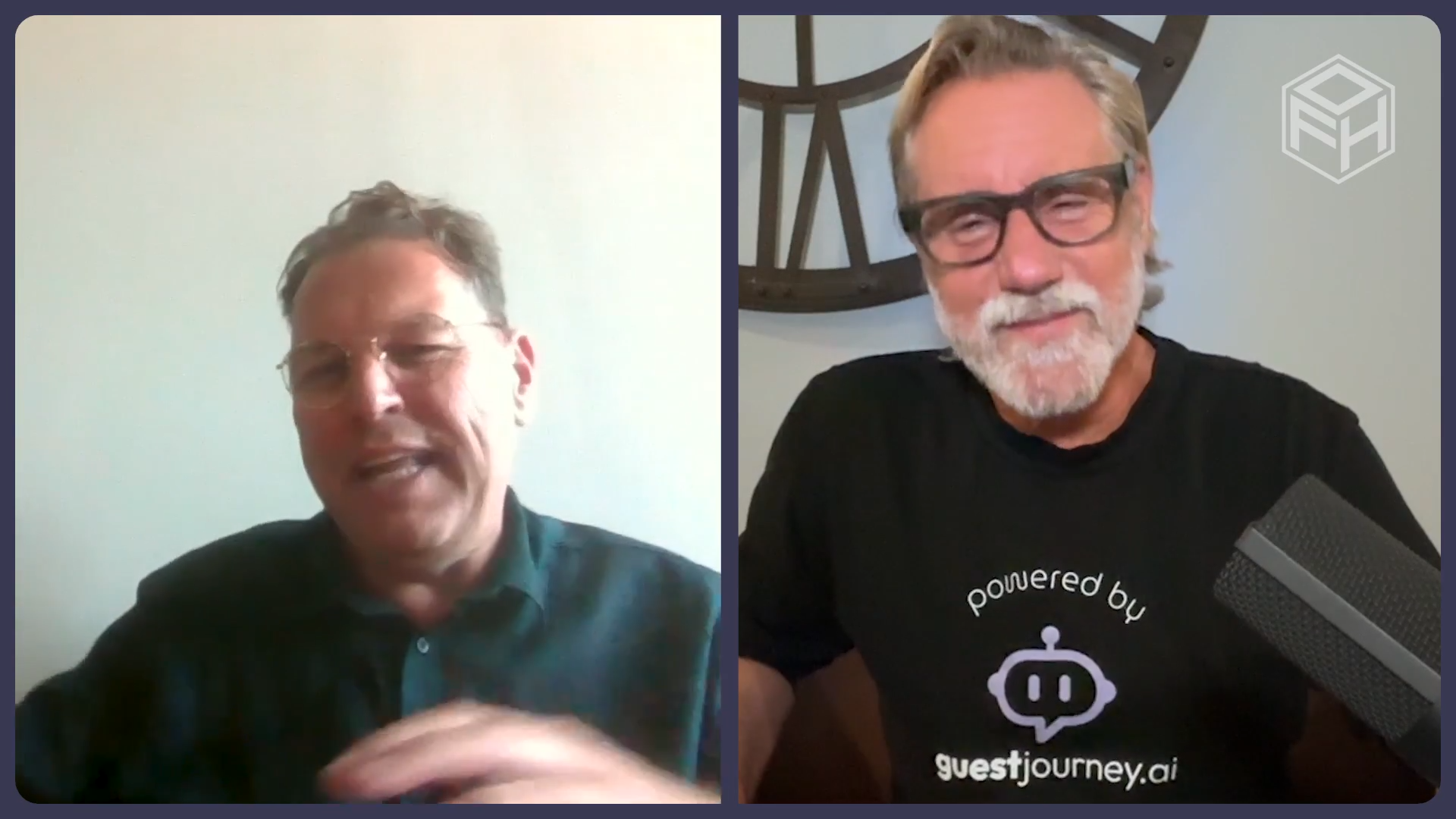
Erfahren Sie, wie die Hotel School Amsterdam - The Hague die Ausbildung im Gastgewerbe neu definiert. Die Senior-Dozentin Annemoon Schepel berichtet, wie Studierende heute Führung, emotionale Intelligenz und den klugen Einsatz von KI erlernen. Diese Folge zeigt, wie moderne Hotelfachschulen künftige Hotelführungskräfte mit praxisnahen Fähigkeiten, herausforderungsbasiertem Lernen und menschenzentrierter Führung vorbereiten.
ASAnemoon SchepelSenior Lecturer
WICHTIGSTE ERKENNTNISSE
01
High Tech, High Touch
Schepel meint, Hotelfachschulen sollten KI zum Brainstorming und zum Entwickeln von Werkzeugen nutzen, solange sie das eigenständige kritische Denken der Studierenden nicht behindert. Der menschliche Faktor, so sagt sie, werde im Gastgewerbe niemals verschwinden.
02
Forschung und Praktikum trennen
Um Probleme beim Zeitmanagement und Studienverzögerungen zu verringern, trennt das Abschlussprojekt nun die Bachelorarbeit vom Praktikum. Die Forschung verlagert sich hin zu herausforderungsbasiertem Lernen auf und rund um einen einladenderen Campus.
03
Menschliche Kompetenzen beginnen mit Selbstwahrnehmung
Sie sieht das Verstehen der Perspektiven anderer als die zentrale Fähigkeit, die Studierende heute beherrschen müssen. Sie baut auf Selbstwahrnehmung, Selbstmanagement und Beziehungsmanagement auf, verbunden mit emotionaler, kultureller und sozialer Intelligenz.
“
Es geht nicht darum, die Welt durch die eigene Linse zu sehen, sondern die Perspektive des anderen wirklich zu verstehen.
I think we do a lot on self-awareness and also self-management. Resilience is a big topic also within our school. Welcome to our podcast, The Future of Hospitality. My name is Arjen Eikeleboom and today our guest is Anemone Schepel, senior lecturer at Hotel School The Hague. Anemone, welcome to our show. Thank you. Yeah, who is Anemone? Tell us please. I'm a lecturer indeed at Hotel School The Hague but I'm also a mother of two. I'm very passionate. How old? 6 and 11. 6 and 11. Boy girls? Boy and a girl. Wonderful. You got the whole package. Yeah, also a singer in a choir. I'm also playing in musicals so I do a lot of things outside of Hotel School as well. Oh wow, okay. I think that all linked to my passion is really understanding different perspectives connecting to various people. Yeah, so it all ties a little bit into each other. Right. So you are a lecturer at Hotel School The Hague. You live in The Hague? No, I live in Hilversum. So I live at Hotel School The Hague. There are two campuses. One is in The Hague and one is in Amsterdam and I sort of live in the middle. Let's say I need to go sometimes to The Hague and sometimes to Amsterdam campus. Right. Can you draw us a picture how a typical day of you look like at school? Yeah, so actually because I'm really involved now in curriculum renewal and working on the new professional and educational profile. I work also a lot from home so I have and because I'm also the course coordinator for the graduation project which is the final year project. I coach a lot of students also online because they're in various places around the world. I've got students who are in for instance in Singapore and Kuala Lumpur at the moment. Also in the Netherlands so I sometimes see them there. I think next year it's going to change a lot that I'm going to be much more on campus because we are redesigning that we want to create a more sticky campus. So we want to we actually take out the research out of the placement experience. We used to call it launching your career where the students both did a research assignment together with their placement company and now the research is going to be more challenge-based learning for the industry and students will work more around in and around the campus. Okay, so changes is that a typical post COVID thing because you said we do a lot of online students are internationally located that's going to change is that because what I remember from back in the days that that wasn't a thing at all but things have changed of course and is that maybe a post COVID thing that more people are online? There was like an opportunity for us because we were already doing this let's say that the launching your career where the students did research and a placement at the same time we were already doing that before COVID. During COVID was actually an opportunity because we were going online so much more so we did workshops online we did more coaching we did more social coaching like peer group learning together and so that was actually a positive side so that we could do that in a in a much better way than we did before. The downside was and that was already before COVID is that the students sometimes had lots of difficulties combining their bachelor thesis as they would call it together with their placement and I do think we want to create more of a sticky campus because we were doing so many things online and because we saw okay we were losing that connection sometimes with students so I think yeah it's it's maybe also a reaction to that and also the effort that we put in at first because when we start year four we do a minor so which is a student's choice and then we already have our hands on the students let's say and we connect to the students and then you know we would send the students away and they still go do their placements abroad so they're still going to do their placements abroad at all different places so that's still going to be the same the only thing that's changing is that they don't have their bachelor thesis or their graduation work during their internship anymore so yeah that's that's going to change and that's hopefully going to help the students with their study progress yeah that's going to help them a lot interesting so you studied at the hotel school yourself in another one at another one and now you teach in The Hague in Amsterdam what drew you back to education um well actually when I was younger I always thought well at some points I want to do something with with education or learning and development and when I graduated myself I did a research project on learning and development so that was also my own thesis subject and my placement experience so I really wanted to go into learning and development when it was working a hospitality industry in learning and development I thought yeah it's really nice to train the staff but it's always at the at the back end of operations so operations has priority and then you can do some training maybe on the job training or whatever when it's quiet so when I was training in hotels it was always yeah something which was secondary and I really love to be in education where it's a primary focus of course learning and development and working with hospitality students or like working with the hospitality industry still um has my passion so it's very dynamic I think that's what attracts you right yes yeah that's what I'm hearing so you worked also not just in this you also worked with system like Oracle and micros right yeah how did that shape your understanding how hospitality functions behind the scenes so I of course new operations already from um yeah working in them in the industry myself and then when it worked for micros Fidalia you really got to understand the back ends of everything so understanding okay how does information flow from one to the other what do departments need in terms of information to do their job in a good way and also make strategic decisions so for me that that structure of information and communication really helped me to understand the hospitality business so much in so much in a deeper level yeah yeah well speaking about that I'm thinking about advanced tech like AI um how is that being embraced by for instance you the hotel school itself the the hotels that you are connected with how does that look like yeah so um we we even have students that do a lot of research on that as well so how to support hotels to use AI uh even more um we have also for the assessments of students right and that's also why we're changing the assessment from having like this text heavy um research project that the students need to write it's more going to be like visual content that the students need to create and also proof of co-creation uh re-iterative design processes to really create impactful solutions which are going to be beneficial for the industry and we say um you you can use AI so it's really good to use AI as long as it doesn't hinder your own critical thinking and your own um yeah inputs so I think you you can use AI a lot for brainstorming um even use it to help create things right but but it needs to be your own critical thinking that's behind it and I also think we need to be a bit wary about okay what kind of info are we going to put in that black box which is going out there right um so we don't want um um we want the students to keep their privacy when they do that yeah that's quite a challenge I can imagine because this is all new and developing so fast I mean it wasn't there when you were in hotel school it wasn't even there probably when you work with the systems behind the scenes and now you are teaching marketing and communications so how do you keep the subject fresh and relevant for today's students um yeah it's more thinking of assignments where we use AI to help the students actually grow use it as brainstorming tools we also have like these I'm working on creating my own AI agents because I get lots of questions on processes procedures things like that okay where do I need to find that why do I need to look you know it's all new yeah yeah and then um I want to create my own AI agents that the students can first ask the AI agents and then you know um if they don't like an avatar your avatar so it's like oh that is so cute um and yeah it should enhance let's say the human experience I think you know really because I think we it would be great if we are like high tech high touch right where it's like high tech we really embrace the the new technology which is out there but we still don't lose that human touch because I think that human touch will never go away especially in the human or the in the hospitality industry you don't want to be helped only by robots or um uh yeah um a digital format but you really want to have that personal context as well the balance between advanced tech and still the human interaction the human experience memorable guest experiences that's what what I like uh and and that is what what I think that students need to understand and a lot of hospitality working people in hospitality that is there that is the essence of hospitality it's that human interaction you will like what I have to share later on I will just give it away right it's called guess journey dot AI it's something that I've been working on in the back with with a business partner of mine nice where we help hotels um with personalized video with a touch of AI to um to create to to achieve upsells higher revenues etc etc so that is the the fine balance because I think that's very very important as well I'll share that with you later on it's very interesting so um about something else you have been coordinating um the graduation process for five years now so can you tell me what were some of the challenges and how are you keep refreshing those in this fast changing times yeah um one of the challenges I think is um for students to really see the graduation um experience as part of their school journey as well um so what happens a lot is that they go on a placement or an internship and they um they get so uh invested in the company and sometimes in operations as well and we really want to have them have a leadership experience as well so that they take the lead either on a project or with people um and sometimes it's not possible not all companies have the notion of giving the students that possibility and we have great companies that we work with that um that do that but students yeah they they and they don't dare to speak up um about that as well they really are like very happy to be in that company because it's like the perfect placement experience or the perfect company it's all new it's the first thing they see exactly yeah um so that is a challenge to really find time for the students that to connect with school and really see this as a learning experience also as part of graduation hotel school um and I think the second thing and and that's also how we dealt with it now is that we separated the research from the the placement experiences that students did not find the time to to write to really um do their data collection like their interviews and their surveys and their analysis so that was really difficult for them to combine it and they were really struggling with time management and that was also causing some study delay so um I think for about 20 to maybe 40 percent of the student population this was a great setup and they could really find their own um mojo in it but for um yeah let's say 20 percent it was really not a good setup so those students were really delayed sometimes by year or by uh one and a half year and there was like a sort of in-between group who um struggled a little but you know yeah so yeah it was was difficult for us to find that really sweet balance between okay we still want to create you know impactful meaningful solutions for companies and that the students work with and where they really can integrate it into their day-to-day life and um on the other hands really help the students in launching their career and being in had the the job itself and understanding the job I can only imagine indeed because when you're being placed in a at a property um regardless of what kind of property I mean every single thing is new they're young so they need to absorb everything there's it's a high demand from from um the property and the people around them because they need to perform they need to learn there's so many things they need to do so I can only imagine that there is a certain amount of students students that uh are being challenged and it's good to hear that you you pick up on that I try to find the sweet balance in that I think that's very important for people not to lose out to get depressed because that is affecting your mental health as well if you cannot keep up and you need to perform at school as well I see that I totally see that um let me go to the the leadership and human skills so you've spoken about your passion for the 21st century as you call it leadership and human skills what are some of those core capabilities the uh students should master today so for me human skills are really and I think the most important element of those human skills is really understanding various perspectives right so it's not having your own lens that you see the world but really understanding that other person's perspective and that starts with self-awareness so I need to be able to understand my own context I need to be under be able to understand where I'm coming from and um maybe what are my patterns what drives me um and be able to manage that as well so be able to sort of understand it and manage it and then the next step is yeah being aware of other people around you what are the other perspectives um yeah other types of people and being able to manage those relationships with the people around you so for me yeah that's and that's all ties back into emotional quotients or the cultural quotients um which I think are very much interlinked or even the social quotients I believe so too um and so these these human skills are so important how to deal with conflict how to influence people how to mobilize people to act for a common cause because the sum is greater than all parts I think so if you work together towards a common goal um yeah and that is really where I see yeah I hope to make a difference also with my students and where we can work together to create meaningful solutions for the industry for organizations for society at large I'm glad to hear that's an important point that you address I want to hear from you because you're not the first one that I speak to I speak to industry leaders a lot and how they are changing their approach indeed more emotional intelligence um how is that different from when you were at school because it was it this is very different from when I was in school they didn't care about my emotions you just needed to perform so how did that change I'm glad it's changing but what is it how is it different from when you were at school yeah I think there's more focus now in today's society also on well-being in general uh so um uh and not only on the cognitive side so I think when I was at school there was lots a lot of focus on cognitive abilities um yeah critical thinking skills creative thinking skills communication skills so communication I think is also part of the human skills which was also still important how do you present yourself and how do you deal with conflict so those elements were still important but I think the focus is now more on yeah you're not just your brain you bring your whole body and your whole self into something your whole being yeah whole being and so the the well-being aspects I think also in hospitality is is growing a lot um and there's more focus on mental health on um yeah on all elements that link to I think emotional and social well-being um yeah so I how do you uh help students because emotional intelligence um which which which indeed is a fine line to mental health how do you help students develop this yeah there are various ways that we do that I'm not the only one of course uh involved um I think we do a lot on self-awareness and also self-management um resilience is a big topic uh also within our school um so we're looking at uh for instance yeah they do um they use tools like bergman I don't know if you've heard of bergman before um which is really a tool which you do a test on and you see okay what is your regular behavior what is your needs and what are you what are you what is your stress behavior so when you go into stress behavior for instance it's really important to understand why you would do that um we do a lot of coaching so we help the students uh with regards to um yeah any type of struggle that they have um and I think we do a lot on yeah where the students need to manage themselves in a good way so they look at hey where where do I struggle with and that can be on a financial level it could be on a mental level it could be on a social level and how can I create that positive mindset also um I think positivity is a really good way to do that being grateful for things for instance we have like um assignments for students on that um yeah and my personal take is really in that relationship management and focusing on yeah understanding various perspectives so um I use deep democracy for instance um as well where I start with the check-in where I invite all different perspectives um I use also language deep democracy language where you invite the um uh yeah the minority voice let's say where you introduce maybe something and you say well maybe someone has another idea completely different um and do you recognize that as well so you spread that alternative and then you ask also at the end uh a question if the minority still does not feel in agreement with that idea or whatever would what do you need to go along with this and so it will make wise decisions so I use deep democracy I use it in class with my students but I also use it to teach students on how they can um use deep democracy themselves to uh make wise decisions right well now you just proven that uh indeed you have a masters in educational sciences and focusing on culture and inclusion so um can you give a shine a little light how this has shaped your teaching today yeah so I've already been in education for almost 17 years so it's been a long time that I've been in education and I've developed myself continuously so I'm such a big fan of lifelong learning I learn something I think almost every day every day you never stop I agree and it's um and that really has shaped my uh my view as um as a lecturer so I started um as an information and communication management lecture then I went into marketing and innovation then I went into professional development HR and culture and now I'm at at a graduation in the graduation course um implementing the inner development goals implementing those human skills those leadership skills that the students need um I think which make them yeah better human beings but now I did not answer your question I think I don't know if I did how did you know how did the um your your masters in educational science it's focusing on culture and inclusion culture and inclusion that's that's something that wasn't there when I was in school so how does that shape you your teaching today no um so I did a masters in education when I was already working at hotel school which is and then I really found my um passion because I could do a masters in anything I had that was uh it was a subsidized by the government as well so it was really nice that people in education could do a master's studies and then I thought do I want to specialize myself in marketing or an information and communication management or an HR and I thought no I I really love education and I want to become better at uh understanding how people learn uh how organizations learn what they would do in different countries on in education um on various levels so I'm I'm very excited about you know people that bring in new educational innovations and then look at okay how does that work now um the same as now working with AI how to sort of embrace it because it's there it's not we shouldn't shy away from it we shouldn't be scared that uh and then think of crazy ways of how to assess the students now uh because AI is taking over how all the writing for instance um yeah and really looking at and I think what is what has changed from in education as well is that before we were lecturing so we're really standing in front of the group and telling you know our story still love to do that but from the book yeah I I have changed so much into that I'm I'm really a servant to the group um so I'm facilitating more the learning process I'm really looking at okay how can I you know create an assignment before class which already gets the students into the mindset of what we're going to do in class how can I really make the students responsible for their own learning um how can I create more like a la carte kind of uh um yeah more flexible education um yeah so these are things that I'm I'm continuously thinking of also when redesigning the courses when working with the students um yeah I'm now also thinking how can I include the students more in that decision process because we know about what's going on behind the scenes in terms of yeah what is going on with regards to trends on education but yeah the students are the ones subjected to what we think of so yeah using focus groups to make sure that they also are part of that and maybe even co-creation of um classes putting students in the driving seat so really making them responsible for a field trip for instance yeah you you are now responsible for this field trip what do you want to do what do you want to get out of it this is the budget um yeah I like that approach you put responsibility in their hands it's um yeah I really want the students to become these lifelong learners as well and that they're responsible that they drive their own learning and this is for me continuously in the back of my mind when I design the courses how can I make them responsible how can I make it as flexible and as individualized as possible as well for them so they can really um create their own development goals say okay how do I want to be evaluated on that um yeah something else about surface acting and deep acting two different things yeah what are the exact differences between surface acting and and deep acting and why is that distinction so important in hospitality so in hospitality let me first explain the two terms so surface acting is that you um are in contact with the guests for instance and you're um faking how that you're happy or that you're uh have a smile on your face because you don't really feel it you put up a show you put up a show exactly so it's um and when you're really deep acting it's really you feel it as well so it's about um yeah having those uh those feelings and people who do surface acting they get into burnouts or they get into um yeah it's going to affect their mental health so people in hospitality because it's emotional labor right you're continuously with various people you get maybe sometimes shouted at there's a lot of pressure in operations there's um yeah you you need to have be able to have a good team around you and when they're people ill or other things going on head and then you're often on your own you need to do a lot of work in front of that guest as well so yeah it's um it's a heavy burden sometimes and then it's important that that people also understand that difference between that deep acting and surface acting um because if you don't feel well yeah um and you're you need to fake it and it's going to have a really negative spiral that's in your mental health that have consequences will have consequences for your own mental health eventually you cannot keep that show up it's uh i'm glad you mentioned this deep acting i didn't know the term but i was aware of the existence uh all along even in my days in in hospitality i'm more of the deep acting and i was not really good at surface acting and me me me coming from rotterdam originally that was not a good match because we cannot keep our mouths yet but anyway um another point i would just to highlight i would love to do a a podcast round table session at some point with some students about certain subjects in this so i just want to mention that because that will be interesting to learn from them how they look at certain subjects that are really stinging right now in hospitality but i'll come back to you uh at some point later about this uh but finally on the moment what does hospitality mean to you personally yeah so hospitality to me personally is more than um the industry itself or the act of serving others um so it's it's really about uh inclusion of various perspectives making people feel heard and seen um within any kind of organization so i think any organization could benefit from hospitality um and from the knowledge that we bring as hospitality experts um i think it's really about empathizing with the other um caring for the other um yeah you know the word hospital right is in the word hospitality and that's they also are caring you know within the the hospitals they need to be caring and serving the needs of the people but in a completely different way so i really i really like that um actually synergy between hospitals hospitality and seeing it as a bigger a whole where we are in in surface let's say of the other um welcoming the other including the other empathizing with the other um in society at large yeah right i agree yeah it's all about the inner desire that's what i always said inner desire to make other people feel good yeah no matter how in hospitality on a moon i uh i want to thank you for being on our show thank you it was really nice to talk to you and hear in your insights yes thanks for having me
NEWSLETTER
Bleiben Sie auf dem Laufenden
Jeden zweiten Dienstag senden wir Ihnen die neueste Folge, die zentrale Debatte darin und die eine Zahl, die Sie sich merken sollten. Zwei Minuten Lesezeit, kein Spam.








 EPISODE · 34 MIN