






















Simple hotel sales tweaks for big wins
Want to boost hotel revenue without overhauling your entire sales strategy? David Kijlstra reveals small but powerful adjustments that drive big results. Learn how top-performing hotels refine their approach, leverage tech, and close more deals, without adding extra workload. Simple changes, big wins!
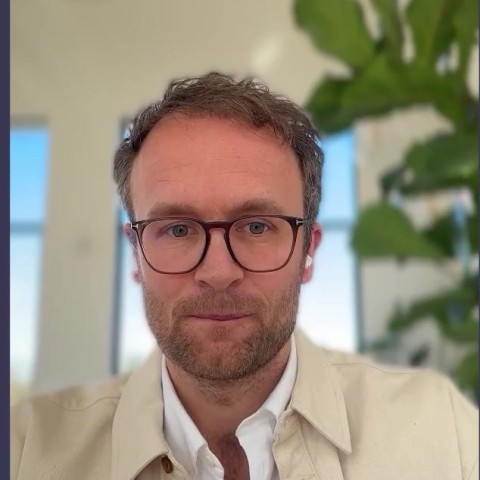 David KijlstraFounder
And I personally think that a sales manager should be achieving a 15 or even 20 times ROI on their salary.
Transcript
Click a timecode to watch from that moment.
08:02What made you decide to start working for yourself and be become a consultant?
18
the Future of HospitalityOkay. Move on from there. What made you decide to start working for yourself and be become a consultant? Because that's what you who you are.
David KijlstraExactly. Yeah. So my wife, she works in tech, and she has always been working also in sales. And when I was working at Zoka as a commercial director, we obviously had a lot of conversations about sales, right, and the way that we were doing sales in hospitality and then she was talking about how they were doing sales in the tech industry. And the weird thing was we were having two completely different conversations. Obviously, the things that I was mentioning a lot was were things that were seen as extremely outdated in any other industry. But at the same time, the things that she was saying, I was like, I mean, we should be adapting this into the hotel industry as soon as possible.
David KijlstraSo and that was, like, I think I was two years into the journey. I was like, k. Let's start, like, testing these kind of principles and really seeing, like, what we can do differently, what we can do better. And these kind of principles, they they just worked out so well. I was like, k. We should make a bigger company out of this, and it was the agency than higher season. Well, we have to just help more hotels for doing exactly this. Like, applying, like, the sales principles or the commercial principles from the tech industry in the hotel industry because they work very well even though there are some really like, there are some differences.
David KijlstraBut I just noticed that there's very few hotels that actually want to do this because it's not being taught at hotel school, behave, or any hotel school. It's really something that you have to find out by either being in love with, like, what the tech industry is doing or just trying to find it out and test it yourself. So that is really the reason why I started the highest season.
the Future of HospitalityWhat is a good example of the tech that you have implemented or what is what what works in your in your help you helping the hotels?
David KijlstraYep. So, I mean, there's some there's some really big differences. Right? So I think one of the first ones is, again, going back to my wife when she started working at one of the companies she did already two weeks before starting to work there, she was getting her first homework. Right? Which I thought it was already quite crazy. Like, they were really hardcore with us. But also the first two months of her starting her role within sales there was just onboarding. It was just constantly training the people on on actually learning how to sell even better, sell according to the standards of the company. They got pitch trainings. They got feedback. It was really, really hardcore.
David KijlstraAnd what you see happening in most hotels is somebody's being hired from the hotel school, and they maybe have a two day or three day onboarding, and then it's like, okay. Go. Start start selling. Here are the some some SOPs or standard operating procedures, and now go at it. Right? So Right. A, the training is just way too little. At the same time, also, most of the people who are working in the more traditional hotels in maybe senior roles, they've been working there for a long time. So let's say twenty years, thirty years, and a lot of the tactics they're using, they are outdated. They just don't work. So let's just say and it's really I'm I'm one of the biggest enemies of it in the hotel industry is sales blitzes, which is a like, you and your team, you're gonna go out into the city to find companies that you can sign up as your corporate contracts. Right? So literally, like, walking around, going to an office building, see, hey. This Uber. That one is Netflix. You write it down. You go back to your hotel, and then you are going to be, like, trying to contact these companies.
David KijlstraAnd I'm like, it's so time consuming. Like, people are spending weeks on trying to create lead lists. I mean, we have this. I mean, this one of the things we teach also in our course, like the online course we have, is, like, the easiest thing to do is just I connect with five sales managers in your area, right, as a hotel sales manager. Most of the times, these sales managers have open networks on LinkedIn. Right? So they if you use LinkedIn, you can just click on the connections to see all their connections. Then I just filter on travel managers, office managers, and, well, let's say, workplace experience managers. And suddenly, I can see exactly who the whole competition is connected to. And I just like with a tool called Trantombuster, which is a little bit unofficial, but you can just extract all this contact list and boom, you have a 400 person lead list which you are ready to contact. Right?
David KijlstraIt's like it literally could take you maximum two, three hours to get this done, and you, like, you have to save yourself all this time. You have really relevant contacts that you can start connecting with. I mean, these like really simple tools, right, and tricks that we just teach people. I mean, we have so many of these kind of examples. But obviously yeah. I mean, again, the hotel industry is obviously quite traditional and we like to do the things how they were done. And that is then why, you know, why you see still a lot of people using this old sales blitzes or these kind of tools in order to get themselves
the Future of Hospitalityyeah. Try to get the work done. So what you do, you help the people, the hotels, the people who work in the hotels in sales or in the back end to help them to find the tools that are available online and how to implement them in their daily activities. That that's
David KijlstraYeah. So that is one part of it. So a good question. So what we do, first of all, usually, the hotel comes to us and they say, like, we just need help. Like, we need help on a commercial point of view. We wanna increase our revenues. What can you do? And very quickly, we usually see that it is the commercial department, usually a sales department where there's really just a lot of low hanging fruits. So they maybe do not have a clear strategy. They don't know why they're doing like the work they're doing in the way that they're doing it. And then, obviously, there's usually also a technology part to it. Right? So first, we usually we usually really make clear, okay. So why are you doing your sales in this way? Like, what are you focusing on? Why are you, like, contacting these customers?
David KijlstraAnd then when that is clear, we start going at at the strategy. So what are we going to be changing in order to to attain these goals possible. Right? And and number three is, and also what are the tools we're gonna be using in order to to get you there. And sometimes it's like just people really just need up to date training, right, and the tools we're going to come with that. And sometimes it's really that we help them, which is more of a traditional consultancy trajectory where we're just really taking through really like setting up the commercial department from scratch again and then help them to find their strategy, train the whole sales team, and then basically help them and also, like, monitor the targets and get the performance going.
David KijlstraSo yeah. And sometimes just some we also have people from from The US who say, like, I mean, for us, it's not that easy to help them because then, obviously, we are located in Europe. We just say, like, just take our sales course. Like, it's a eight week, like, the hotel school mastery course. Those eight weeks online, it's part time training. And after this, we've seen some really remarkable results of people who have, like, adapted these modern techniques, which are, again, are very much based on how the tech industry is doing their sales, but then adapt it to the hospitality industry, and and then they're also ready to go. Right?
the Future of HospitalityRight. So according to you, what is the biggest challenge that hotels are facing right now? Increasing revenue, and how does highest season address this? Yep. I know there are many, many challenges. Just one challenge they're facing.
David KijlstraI mean, if we're gonna talk about, like, hotels as a whole and maybe not specifically sales departments. Right? I think hotels as a whole, what we are seeing from our organization so often is focus. Yes. What we're, again, doing very often is we open up a hotel. There is a goal of having a high occupancy and a high ADR and a high review score, obviously. And but then what we do is we hire a sales department. We have a marketing department in place. Maybe I have a PR person. I'm only talking about the head office functions. But then we obviously also have the operations, right, which is is running the hotel. And those are really, like because people say, like, we need to have marketing. You need to have sales, right, in order to attain this goal.
David KijlstraAnd if you then don't, like, if you then don't really, like, focus or really make sure that you're hiring the best kind of people for actually achieving this goal, very often, it just leads to just, like, a bland results. Right? So, again Mhmm. To get to the point is you maybe have a marketing department that's just doing a little bit. Right? They're doing a little bit of social media. They're just doing a little bit of email campaigns and Google Ads. You have a sales department that's just doing a little bit of corporate sales and groups and business, and it becomes just very, like, average instead of where we sometimes see, like also, I have had trajectory where I say, like, don't focus on sales. Don't even hire a salesperson.
David KijlstraJust go all in on social media, like, content. Right? If you really nail this down, you will get the right target audience that you're looking for. And sometimes it's like it's the opposite where I say, like, okay. We're just gonna scratch, like, most of the people in the sales team and just only focus on, like like, doing the best corporate sales possible. Like, we're gonna be emailing these people, and we're gonna just go all in this one like, this one or or, like, focus target audience and don't do anything else. But so often, we're just doing, like, a little bit of people are just spread so thin, but nothing really gets the focus in order to then achieve the end goal possible. Right? I think hospitality are just very prone to that because they usually think they need to hire all these different disciplines even though you might not even know what end result is. And then going back to sales, then what you don't see happening is, like, these salespeople are not even usually measured against certain ROI.
David KijlstraAnd when I say this, it's also, like, to to our general managers, they they think it's not possible. Like, how can you put an ROI on a person? And I personally think that a sales manager should be achieving a 15 or even 20 times ROI on their salary. Right? And then we're not talking just about, like, the room nights that a corporate is producing, like like, year after year, but we're talking about new business that's being signed and that's going to be delivering the room nights. They should be really being able to take in a 15 to 20 times ROI. But almost no hotel is measuring ROI on a on a person. Right? Yeah. So, again, those are little bit
18:29Can you repeat the question one more time?
18
the Future of HospitalityAn interesting approach. And how do hotels because because when you explain that to the people who work at hotels, how do they respond? What is their first reaction when you've Sorry. Sorry. Can you repeat the question one more time? How do sorry. How do the people that you train in these courses, in these trainings, or in the in in in this approach, how do people respond to work at hotels when you say this?
David KijlstraYeah. I mean, hotels really come to us when they really are aware that they want to change. Right? So they're open for change. And Okay. The only time is I don't really like it when it's like an an owner that wants to have change, but the the, like, the general manager and the rest of the commercial team, they don't want change. Right? Because then it's like it becomes the mismatch. Then we are basically owning that basically like, we don't want to causing too much friction. Right? We really want to have an organization that's open towards change. And then they usually really like I mean, I've seen, like, sales managers just being in all with these, like, these tactics. Like, we never knew this was possible, like, that you could do this. Like, obviously, they it requires sometimes a different way of working.
David KijlstraLike, for example, just already looking at your schedule, like, ROI measurements. Right? It's definitely not always nice for people. They they feel like they're really have to change a lot. But with the results that we have made and and the end, like, the people really feel purse see personal growth. Right? And that's anyway, within those eight weeks already, people really start working a different way. And, yeah, they it it's they are they're really that's the part really seeing it. But you're at the beginning with every, I guess like, when people gives you, like, feedback or change or right? There there is some restrict there's some friction. There's some resistance
the Future of HospitalityYeah. Towards these kind of trajectory. Imagine that that that is that is the first that you get. Can you share a story perhaps where you where your work has helped the client boost their revenue significantly?
David KijlstraYeah. No. So I think the best example is I mean, I cannot say the name of the client, but it's it's a chain here in in Europe. They have almost eight hotels.
the Future of HospitalityMhmm. And
David KijlstraI think this is more of, like, the the common question, right, where they feel they're on the right path. They have a really good product, but the team was never really trained properly. And, also, like, their strategy was was this that's very broadly focused. Right? We want to increase, like, corporate reservations. That was basically the end goal. We just need to grow this. Right? But the way to get there was really not defined. And what, again, what makes hospitality very different from the tech industry is that a hotel salesperson, they have four different roles in one. They are a business development rep, so they send out cold emails.
David KijlstraThey are a a onboarding manager, so they have to really make sure that they're onboarded the client. They are a partnerships manager. They have to make sure that the customer actually starts producing these room nights, and and also they're an account manager. So they have all these roles, like, in one. And what you see is that if you are not able to tell people really to to give them direction, they will just start doing just a little of of all of it. And this whole organization Yeah. They they were very focused on, like, signing the contract. Like, so getting to the client, signing the contract, and that was it. Right? So they just left the whole onboarding of the customer and also the whole account management of the customer.
David KijlstraThey usually just left that. And that's very typical for a lot of organizations because these sales managers are just so focused to getting to the signature. But, again, the funny thing is a lot of hotel corporate contracts is that it's a letter of intent. People don't they only promise you to, for example, produce hundred nights or five hundred nights, but you are not they're not, like, signing off on it. Right? So it's only, a letter of intent, basically. Yeah. Yeah. So what we've done, we really worked on this. Like, okay. How are you gonna be onboarding a customer? What are you going to say to them when they have signed a contract? How are you going to make sure that everybody in the organization knows about you? Can we set up a referral program so that actually if if or a incentive program that every time they produce fifty nights, hundred nights, two hundred and fifty nights, they get a certain award. Right? So to make sure that people are being incentivized, we gave them a put in a referral program in place that if they put somebody else in touch, they can also get a either a reward or a a just a stay at the company.
David KijlstraSo we were so focused on really making sure just that existing partners started to produce, but also started to provide us with new customers that even like the first part to actually, like, reaching out and doing the cold sales could be reduced much more because we're getting all in all these warm leads instead. So I think this company, they they almost I think the in first year, they had 80 increase in in their corporate reservations. And that was, I think, is nice. But also, I think the most impressive thing is that they got more than, I think, was 15 or 20 warm leads already that they could resign the same year again. Right? And that is just so much more handier. So What was what was the key difference? Because I hear you again. I heard the word focus
the Future of Hospitalityagain. I I I I I keep hearing that, and what I'm also hearing is small steps, small rewards. It's a journey towards that goal. So what are the the small things that you know of that you think think, but I think it's know of that made a huge difference?
David KijlstraYeah. So this organization, we one of the things we did was we really looked at because everybody said they were busy. Right? And Well, people are always busy. They they always With what? Actually. Yeah. And if the ROI if ROI why is way too low, then I'm like, then I I I don't understand why you're busy. Right? But, again, very much a hotel thing is hotel people love meetings. Right? And it's gonna be any any departments. Almost all of the clients I see is, like, they're having way too much meetings. And then they were recurring meetings. So there was a sales manager who had time who had the meeting with the revenue manager, with a general manager, with a sales team, with the whole commercial team, and, like, and, even hotel wide meeting every single week. And then these are recurring. Right? So they're not just only, like, just giving, like, the update. And so many times, just the same update time and time and time again.
David KijlstraSo we cleared almost one and a half day out of everybody's schedule within a very short time frame. And then it's just really providing the structure of how are we, like, selling as as a hotel or as a hotel company. So how are we doing the onboarding? And so much of this can be automated. Right? But it can just be and you've probably seen those as well. Right? If you sign up for a tech company, you receive three emails or five emails after onboarding. Like, hey. Welcome. This is how you do this. This is how you do this. But we did the same thing, but in a quite personal matter, right, where we just explained why they should be working with us, why it's, like, why or why it's so great to to stay with us, What makes it so special? Because hotel sales managers oftentimes think, like, oh, the the sales managers the the office manager still recognizes us after one month. But time after time, we're already being forgotten. Right? So you just need to stay top of mind.
David KijlstraAnd the the referral program was also a really big success because especially, it really works really well with office managers. They really like to have these kind of rewards. Right? And it not personally for themselves, but they also could hand out in the organization. Right?
the Future of HospitalityYeah. These these were really, really key focuses for this for this client per se. And the personal touch that made the difference, that's what I'm hearing as well. Right where it's needed. So in the onboarding onboarding process can be automated, but there are little touch points where the personal attention is most important. Right?
David KijlstraDefinitely. Definitely. And I mean, oh, I've if I can just share one more thing there, it's like Yes. This personalization, again, it's it's like, again, these are low hanging fruit. Right? I'm not talking very small operational changes right now, but it's also like people are usually gifts a lot of hotels. Right? They gift things to their customers. But what do they gift nine out of 10 times? Would you get what's your guess? A cookie. Yeah. Exactly. It could be a cookie. That's very common, or it's like the bottle of wine. Just a bottle of wine or chocolate. Right? Bottle of water, bottle of wine wine. Yeah. Depends on what hotel you want you go to. Exactly.
David KijlstraSo so these hotel sales managers, they gifted this gift, like, to their, like, the booker, right, the travel manager or the office manager. And what do they do during Christmas? They just give away these presents right away into, like, the company, like, Tumbula, right, where they hand it out to everybody. So we're, like one of the first thoughts we had also that was back in Zoku, like, how do you give a gift that people really want to keep? Right? How do you give a gift that's make sure you gotta stay top of mind. And my personal like, my favorite example was that, and there's also what what Zoku did, was they gave these gloves, and these gloves, they were made by grannies in Amsterdam.
David KijlstraAnd Uh-huh. These grannies, they were it was also like a like a movement against loneliness. So they came together once a week or once for two weeks to make these gloves. So they were made in Amsterdam by these grannies, and, also, they were personalized. And they had a little note in them so that the receiver could send a text message to the granny thanking them Oh my gosh. For for for the for the, like, the the the beautiful gloves. Right? So it was, like a win win win, and everybody wants to keep the gift because it was so beautiful. And I think, like, these are, the examples when you just think about personalization and just doing the lit one thing you do, do it really well, focus. Right? And that's that really made a big impact.
28:04What do you think sets top performing hotels apart from others in terms of revenue?
21
the Future of HospitalityI like that. I really, really like that. This is all from on on from from the inside from now I wanna look on the outside what the the results is of all these activities. What do you think sets top performing hotels apart from others in terms of revenue?
David KijlstraWell, well, I think one of them is I mean so in terms of revenue, there's just so many different ways. I definitely think, again, here is I I I keep coming back to this is focus. Like, where are you going to who do you want to have in, and what are the tools you're going to buy in order to get them right or, like, the kind of trainings. Again, as I started off with, training is just so little money is being spent on training if you compare to any other industry in the hotel industry sorry, if you compare to any other industry. So I think training is one thing else I've seen in some hotel chains. They just keep on focusing on that, making sure people are being trained all the time on, like, the the more, like, key, like, important matters. Right? And that is obviously then leading to really good result because of being so refrained.
David KijlstraIt's being so, sorry, like, ingrained in the people's heads right versus what other hotels are doing. They just do, like, one training once per year, and then people forget about it. One training right very easily. I think it's finding, like, opportunities for revenue growth constantly as well. So, again, some hotels say just like, well, it's just the rooms which I'm earning money with, but there's just so much potential everywhere to earn money. Right? A lobby can be a lobby. A lobby can be a coworking space. A meeting room can be a podcasting studio. Like, it there's just so many possibilities, and especially hotel lobbies, which I always find are the most undervalued assets in in the most hotels. Right? Because they're dead during the day.
David KijlstraLike like, the coworking is, like, the most cheapest examples you can put in there. And, like, this is also this great company in in Netherlands who do does this kind of vending machines, which they put in in hotels. They don't look like vending machines. It is really beautiful, like, aisles where you can just do they have this grab and go. You can pay for it yourself. They're insane money makers. Like, they're called. They may take four times or five times, like, your r o like, your your ROI easily within, like, the first couple of months. But this is like, your square meters are there. Make use of it. Right? And so I think that is also why I see, like, a lot of hotels who did it really well. They they just don't look at only purely the rooms. They look at how can we make use of more of the square meters or more of the resources that we have available.
the Future of HospitalityBut I get that. Once you're you're in the game, busy, busy, busy every day, I mean, it it's difficult to think out of the box when you are doing that. And that's why hotels need people like yourself to to to figure it out. What advice do you have for hotel owners struggling to improve their sales team's efficiency?
David KijlstraWell, I think first, let's let's let's start off, like, is it the problem the the employees. Right? I think that is, I think, the first thing you have to look at because, like, are the people underperforming because they are bad salespeople? Are they underperforming because they haven't had training? Are they underperforming because the concept is just really bad? Right? Because it's very difficult to, I mean, to get the a like, a concept that's not that sexy to get it to perform really, really well. Right? So if the concept is doing well, the review scores are high, right, the hotel is, like, successful, and there's business around them, again, such a crucial thing. Right? Like, you need to have business around you to have sales and to have to have revenue.
David KijlstraThen if those are all things that are, like, in place, then we have to look at the sales people's rev like, a return. Right? Is it ROI good? Is it around the five x? Is it 10 x? Is it 20 x? And if all those things are not being reached, then, obviously, that's also why we always start with is doing the interview rounds. Right? And that becomes very quickly we can see where the issue really is. Sometimes, again, it is these meetings, right, that we're like it's almost impossible for us to have a meeting with the sales employees because they're just in meetings and they're not client meetings. So then we really quickly know, like, okay. I guess they're that's where the issue is.
David KijlstraSometimes they just don't have any, like, creativity. They don't have, like, any they're not always allowed to say anything or use anything. They don't have the tools to use it. So it's really difficult to to really pinpoint one thing. We've just seen countless of examples of, like, where we just yeah. Where it where it says a mix of these different elements. But oftentimes, it's like, again, it's coming back to this focus, having enough time, and really just knowing, like like, just having just like a standard operating procedures for your operation Mhmm. Having them as well for your sales. So we make sure, like, we know there's email templates that you know are gonna convert.
David KijlstraSo then sales becomes numbers game. Right? If you know they're gonna convert every fifth email out of 100 or every tenth email, then you just need to find hundreds of really good clients. Well, how do you do that? There's standards for that. So what do you do if they don't answer? Well, there's a sales sequence. Again, almost nobody has email sequences. Every tech company has a sales sequence that's nailed down to a science for every step they know is gonna work. Hotels don't even have I've I've not had one hotel that has a sales software like email outreach. Like, outreach is one of the biggest, like, companies for for sales outreaches.
David KijlstraThey're every tech company makes use of them. Not one single hotel is doing that. Right? So I guess it's going back to the basics and try to standardize them with a personalized touch. Yeah. It's it's really not rocket science what we are what we are doing, but it just comes down to, yeah, really making sure we we implement the right things.
the Future of HospitalityI think you're in a very important part of the chain that makes it work for them. That that that's what I'm hearing. AI, how or where does AI play a role in all this?
David KijlstraYeah. I mean, very interesting question. I think, like, I think AI is going to have a very big impact on the hotel industry, but not on the part of, like, I think it's gonna be have a very positive impact in the sense of that, I think, in a world of very much AI, maybe automation, people are going to be looking for more authentic experiences. They're going to be looking for, like, realness again. So I think there, I'm very, like, positive that I think this will have a very positive impact on the hospitality industry as a whole. However, for the jobs we're doing within hospitality on a, like, head office point of view or from, like, the back office point of view, I think it's going to have, like, wreak havoc on a lot of jobs.
David KijlstraReservations, I think we're going to see, like, so many jobs being done over there in the next four or five years because so much of the work reservations is doing can already be automated by good AI software. Same goes for sales. Like, I'm even though I'm working with a lot of salespeople, I think a lot of the sales is going to be done by AI, especially if we're being so nontech driven or nonsales savvy at this moment. That is also why I might expect there's be gonna be a shift from away from sales towards partnerships in the hotel industries because there's a lot of partnerships which are not being used properly, like the like I said told you about the onboarding. Right? Yep.
David KijlstraSo I think there's gonna be, like, a lot of change happening. So I think I'm a little bit they're actually afraid for the number of jobs. But at the same time, I love to see what is happening in Asia, for example, where, like, a lot of these people who have, like, very small hotels who are tech savvy, they're able to use these AI tools in order to have great guest communication in order to really create really good stays. Right? I remember so well when I was, like, in Indonesia 1.5 ago, I and received this really good back and forth communication. I was like, how how do you guys do this? Oh, no. We have all the AI tools ready. Right? You're so savvy. Incredible, isn't it? Exactly. So you really give power to, like, the the smaller b and b owners towards, like, independence.
David KijlstraBut, yeah, definitely more from a, like, a, like, bigger point of view, like, in the, like, the sales marketing reservations point of view. I I think there's a lot of jobs that are going to be disappearing. And we did also might be good for hotels. Right? Because hotels obviously have and it doesn't sound very nice to say, but hotels have struggled over the last couple of years. Like, profitability has gone down. Inflation has gone up. They're really struggling with keeping just the same profit levels as they were only doing in 2019. So these tools are going to maybe allow them for getting back to maybe better profitability levels.
David KijlstraBut then the risk is again and that is what I think is going to be happening in the coming ten years. I think we're gonna see a scenario that's very close to the airline industry. So what happened in the airline industry, like, twenty years ago is, like, you had the budget airlines, like the Ryanair's, the EasyJet. You had in the middle, you had the KLMs, the the British Airways, right, which are just, a three four star level, and then you have ultra luxury. But now all the, like, the middle airlines, British Airways, KLM, they are now all going towards, like they're doing the same practice as an easyJet is doing. They try to upsell you on insurance.
David KijlstraLike, every seat change, every additional centimeter that you want to sit at. It costs money. It really feels like you're being treated the same as as as an easyJet. So this middle category, like, the that is disappearing. The middle class is disappearing. Right? And I think the same thing will be happening in the hotel industry. So with AI coming in, I think we will there's a lot of hotel chain change, especially three or four star hotels, who are maybe going to just reduce the number of staff that they have, and it becomes more budget. It becomes more like like these self-service hotels or like the Bob Ws and the the Saunders of this world, right, which you just where you're checking yourself everything with tech, or there's going to be like this more this luxury experience driven hospitality with very strong brands. And I think the middle part is either not gonna be survive or they're going to be switching to either either side of that. And I think this is going to be very much happening by AI because communication reservations, a lot of the the sales is gonna be able to be done via these kind of tools. And I think when there's a possibility to make more money to increase profit lines to make your shareholders more happy, most hotel chains are going to go that way. Right? And they're going to immediately try to go to the, like, saving cost as much as possible.
David KijlstraSo fascinating times are ahead,
the Future of HospitalityI think. Interesting outlook. Thank you for that. I think that is a good moment to to end our our podcast unless you have something to share with our listeners that maybe you have an advice for people who want to start a career in hospitality.
David KijlstraOh, choose your very first job very carefully. That is what I want to say. Like, make sure that if you do it, choose to work at a company that's going to push you, that's going to, like, get you out of the most out of you as possible. So I think, like, especially with internships, really make sure to use it as one of those, yeah, I would say smaller companies, more innovative companies that where you're gonna be learning so much versus just really define small roles where you're gonna be and then not having the same opportunity for growth and learning. Right.
the Future of HospitalityDavid, thank you so much for being on our show and giving you sharing your insights and and and your experiences with us. Thank you. Thank you. I had a blast.