






















Lessen van een hospitalitytrainer: hoe maak je het verschil?
Wat gebeurt er als een hospitalityveteraan succes in de branche opnieuw definieert? Rocco Bova vertelt over zijn reis van ober tot GM van een luxe hotel, en onderzoekt hoe loyaliteit evolueert, waarom technologie in balans moet zijn met menselijk contact, en de gedurfde ideeën achter zijn project my Humble House.
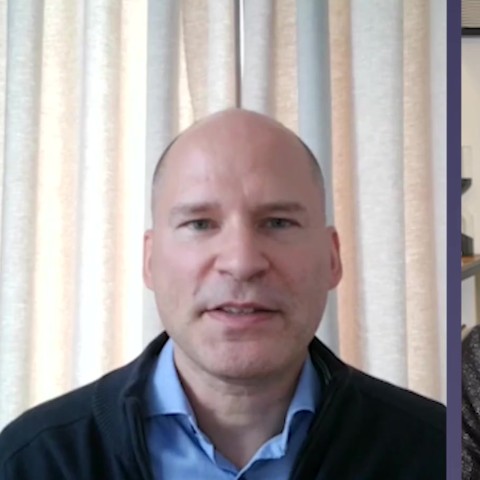 Rainer LagemannHospitality trainer
Sometimes it's helpful to think about what can we leave out, what can we reduce.
Transcript
Klik op een tijdstempel om daar te kijken. De opname is in het Engels.
01:28What did you do, like, in the hotels?
11
the Future of Hospitalityand and what did you do, like, in the in the hotels? Like, did you had all the front office, all those kind of jobs, I guess you grew and grew and grew, or was it, like,
Rainer Lagemannmostly people facing? Well, that's this is what what I liked most, the people facing, and, actually, this is what I do now. Right? I I work together with people. I train them. I educate them. But this is the benefit of the apprenticeship system that we have in Germany that you go through all the departments, bookkeeping, cashing, service, reception, reservation, housekeeping. So I really did everything and chose to do best.
the Future of HospitalityNice. Nice. That's that's a nice thing that you that you see everything because otherwise, it's kind of you you don't really know how it looks like and you just guess. But when you do it and you see it, it's always different.
Rainer LagemannAbsolutely. I mean, these trainees, after two or three years, they know more thing than other people working there for ten years because they know the details of every department and how they interact with each other. Nice. Nice. And do you see, like, a difference in hospitality, like, now and when you started? Is there, like, a big difference in regards to how they You called me. Right. When I started in hospitality, I thought that after a few years, I I was a bit, like, tired because at that time, my impression, and I think that partly reflected the reality, was there is no change in hospitality. Everything was The same. There was in the nineties. Right? And but since then, things have really changed a lot, and you you can name it. I mean, it the pricing system, revenue, at that time in the nineties, they had a certain price for the within the week and at the weekends, and nothing changed.
Rainer LagemannThen we had we had to compete for guests, but not for employees.
the Future of HospitalityThat's the biggest change now. And nowadays, it's the employees is a is a difficult task for hotels.
Rainer LagemannAbsolutely. And we might get back to this later, but this is a huge difference. I remember the owner of the hotel I worked for and where I did my training, he once said to the reception team, he said, if I wanted to, I could replace you within one day. That was threatening, of course. Nowadays, nobody would do that. Yeah. This shows the difference how it has been twenty, thirty years ago. And on the other hand, he was right.
the Future of HospitalityThere were enough enough people. Yeah. Now it's the opposite. Now you can say as somebody working in a hotel, I can replace you in one day.
Rainer LagemannRight?
the Future of HospitalityAbsolute yeah. Absolutely. Absolutely. But but do you think, like so, you know, I I do I know that you do training. So I guess you believe that people still make a difference in hospitality.
Rainer LagemannRight? Or Absolutely. You know what? I mean, after my my time in the in the business directly, I moved to to a software provider, and I used to sell software for hotels and restaurants. And that was fun at that time. But since you just mentioned it, doing something for the people, after a few years, it didn't make any sense to me because it didn't make any difference if they worked with our product or with Opera or with Muse or whatever. And I wanted to make a difference. I wanted to make changes within the people, and I I knew I couldn't do it with the software. So that was my starting point to go into the training business for hospitality. So how long do you do the training part now?
05:23How long do you do the training part?
8
the Future of HospitalityOnce again? How long do you do the training part? How long do you train hospitality professionals?
Rainer LagemannYeah. For ten years now. Ten years. And I do it for mostly for the for the guest facing people, like reception, reservation, spa, and service restaurant department. This is what I do. Nice. Nice. And if I can, like,
the Future of Hospitalityif I can dive a little bit little bit deeper, like, what is, like, one of the common, let's say, mistakes? You see people that you think, like, wow. This this is like just like, why do you do it like this? You know? Let's say, somebody's guest facing. You train a lot of people. What do you see as, like, few of the common mistakes people make, like, in hotels?
Rainer LagemannYeah. I like that question. And often, it's like employees of a hotel restaurant, they sort of complain about the guests, how they be safe, or that they sometimes are rude to the waiters and stuff like that. And I think it's it's just the consequence of things that had happened before. So it is the what is often missing from my point of view is the usual basic relations to relationship stuff. Being aware, being attentive, greeting, calling the game the name by by the guest, introducing yourself as a waiter with your name. So really to to build a connection. Because if there is a connection, usually, people are not rude to you anymore. Exactly. That's a good one. This is the it it sounds like a simple advice,
the Future of Hospitalitybut it never gets old. Yeah. That's so it's what you say, if I get it correctly, it's nowadays a little bit more kind of transactional. You know, as a waiter, what do you want to drink? Okay. Give me a Coke. Okay. Here you have the Coke. And you just only do what they say, but you don't the most important stuff, making the connection, you skip that part.
Rainer LagemannExactly. And I think this is even becoming more and more and becoming worse, if you like it, with digitalization. I mean, digitalization is a helpful tool. Just as we talked about it, we have lessened their staff, so we need to to to cover this. But if the waiter comes to the guests and and and also the table and takes their order and is only looking into his handheld and into this ottoman but building no connection with the guest. Something is missing. That's it. Then we don't need to staff at all anymore.
the Future of HospitalityThat's true. That's true. If we're just taking orders, then why why do we need staff?
Rainer LagemannExactly. So the things that I've just mentioned or appreciating the guest for for the chosen dishes, for for example, like Good Choice or this is one of our best sellers. These are the the little things and which make the difference at the end of the day. Also, the difference regarding tip.
08:26Can you give me some examples?
26
the Future of HospitalitySo do you really when you train people, do you and you you see them implementing those techniques of, you know, introducing themselves and making more personal, do you really see it making a difference? Like, this is really Indeed. Yeah. Can you give me some examples? Like, how how do you how do you how can I say it? How can you see those differences? Like, do they tell you the difference? Can you give me some examples? How does it look like?
Rainer LagemannSo I really like that question because sometimes when I did a training and it's not on continuous basis, then I sometimes think, was it worth it? And they really benefit from it. And then they book me after a year or two, and I come and I come back. And I realized often that people, they they tell me, you know what? I implemented those tips. Right. At least this one and that one, and it worked. Wow. That's nice. And and this is the the best the best currency I could be paid in. Right? Exactly. Nice.
the Future of HospitalityYeah. And and do you see, like, a difference in generations because you do it for now for ten years? Do you see, like, a difference in generations in regards to, like, this is what the old generation old finds difficult and the new one doesn't find difficult or the opposite? Or is it still the same thing, the difficult to connect and make the Tamuzco connection?
Rainer LagemannOh, another good question. Let me take a sip of my coffee. I think just like waiters and service staff, they are in different generations. They you have the 20 year old guy. You have the 50 year old lady waitress, and this the same holds for for the guests, actually. So how would the lawyer say? It depends. Get it. I think both both is beneficial depending on who's really interacting with each other. What I like about the older generation is that they really they know the things by heart. Right? Not only how to serve or the the the product knowledge, but also the the the respect they show or the etiquette.
Rainer LagemannAnd with the younger generation, when they do it good, there's a a whole lot more of authenticity. This
the Future of Hospitalityis sometimes lacking in the older generation from my point of view. So the older generation is more like kind of robotic, not really, but the younger generation, when it's a click, it's like the best. But when it's no click, it's like kind of the worst. It's like really black or white kind of. Yeah. Yeah. That makes sense. Mhmm. Yeah. Yeah. It's sounds logical. Sounds logical. So if I take one step back, you know, we say that people make a difference. So can you define for me, like, what does it like, the exceptional guest experience look like in your opinion? Let's say, okay. I come to town. How can those people make a difference? Because I really want to know everybody's talking about it, but, you know, I want, of course, greetings, saying your name. Hi, Rainer. But can you give me some more examples of, like, this is making a memorable memorable guest experience?
Rainer LagemannIf people do this, this. I was talking about with a guy within our industry, and we agreed on the fact that it's I'm gonna give you a specific example in a minute, but he put it this way. He says, if the guest doesn't need to think anymore, if you help him thinking, if you did it for him Nice. And I thought, yes. That's true. And another example, often, including me, we talk about what we can do, some extra services, the extra mile. Sometimes it's helpful to think about what can we leave out, what can we reduce.
the Future of HospitalityNice one.
Rainer LagemannRight? For example, the typical question when when you arrive at the hotel, did you have a safe trip? Did you have a nice trip coming here? Exactly. If you're a business guest, you hear that question three times a week. Yeah. So this is about 150 times a week. Yeah. It could be helpful not to do something extra, but to leave it out. That will make a difference. Good one. And and to be prepared for a negative answer. In my experience, sometimes when I check-in for a training, I'm sort of a mystery guest, and then I'm testing out a little bit. And when I get the question, did you have a safe trip?
Rainer LagemannI said, oh, no. I it's been traffic jam, and the train, there there was no right connection. It took me four hours and hours. And then often the answer is like, yeah. Well, could you sign here, please? Exactly. Yeah. So it's a little thing. Be prepared for a negative answer and not doing things by routine because it has been for twenty years that you asked this question, did you have safe trip? That's I really like that one, like leaving things out.
the Future of HospitalityThat's, I think, a great one because sometimes you want to people only think about the satisfiers, like what is making them happy, but there are also things that are dissatisfiers, like what is making them unhappy. You know, if you don't if I say at a very bad day, say, okay. Well, you know, you don't really listen or show show that you care, then it's it's more makes a more impact than, you know, saying something nice.
Rainer LagemannFully agree. Yeah. So we don't need to be on automatic pilot. That's not how how we make a difference, I guess. Yeah. Exactly. And and for for these automatic things I mean, this this says it says the word automatic, There you can use digitization and automation. Nice. So the difference and the individual things you you really
the Future of Hospitalitydecide on the spot how to interact with the guest, this should be done by human. Nice. Love that one. Like, something that I I'm not, of course, a trainer like you. I I don't have the the experience of, like, talking with a lot of hospitality professionals. It's something that I experience, and I would like because I'm, a kind of people person, is that what I see is that people want to behave. Let's say, somebody has x personality, and he wants to behave like like a kind of a he needs to be in the framework of the hotel. But his whole personality is left at home. And I think that that's kind of kind of, you know, bad because people want to connect with people. Okay. Sometimes you don't connect with somebody.
the Future of HospitalityThat's okay. But if you bring your own personality, I think it's funny and it's nicer to do your job. And when you connect, it's like a 10 out of 10. It's like the best experience ever for you and for your guests.
Rainer LagemannAbsolutely. Fully agree with you. I like it that you say because in preparation of this podcast, I was thinking about what makes the difference, just as as you ask the question, or what is luxury these days, where there there is enough money going around. Of course, not for everyone, but in a luxury hotels, the guests who come there, they usually have enough money. So they might not be impressed by the art, by the money, by the marble Exactly. But probably more by the authenticity. Exactly. And that you build connection, because everything else, they can they can buy and pay with money. Right. It's not the connection you build with them. Not the connection. That's
the Future of Hospitalityfor sure true. And the thing is that when you meet somebody in the hotel as a guest, like I say, it's for myself, then I I am, like, in a really open mind to connect with people. It's kind of crazy because if I meet met those people outside of the hotel, I might never have spoke to them. You know? But when you are in the hotel, you're so open. You want to connect. You want to have, a nice, you know, you're open. You want to get openly received. So that's the opportunity to show your personality, and I think that's, from my experience, really lacking in hotel staff that they just do everything.
the Future of HospitalitySo like you said, how was your trip? You know? If you if you see something with a, like, not so happy face, don't ask that question, how was your trip? Probably, sucks.
Rainer LagemannAbsolutely. Absolutely. And, I mean, there there's this typical saying, like, what counts is the the the first impression and what lasts is is the last impression. And I like that there's there's a lot of truth in it. And so the one thing is, like, did you have a safe trip there? Well, nice trip. Okay. Maybe leave that out. And the same holds for for checking out if it's done humanly. When the question is asked if everything has been okay or if they enjoy the the the stay, then please have eye contact and wait for a moment. Good one. That's a Usually, people press their keyboards while they're checking out and asking this question again along by Ruchi.
Rainer LagemannExactly. Nice one. And to take a minute, and it doesn't cost that much time. It no. Not not even a minute. Just a few seconds to look up and then ask the question,
the Future of Hospitalityand then wait for the response before you go ahead with printing out the Really nice ones. Love that one. Love that one. So, yeah, that's a good like, the last impression, that's that's so important indeed. They'll be, like, typing, how is your stay? Like, you know, put it aside, look him in the eyes, and ask him how is he staying, then just wait. That's a that's a great one. Love that one. Do you have some more tips on how, let's say, for example, people can can make a difference in, like sometimes it's in a small detail that's making such a big difference. Like you say, now, like, look in the eye and wait for one second, do you have some more practical tips like this?
Rainer LagemannThe ones we talked about is more like communication and interaction. What I'm also impressed these days, and this is in the in the twenty twenty's even much more better than it has been, like, ten, twenty years ago, is if the guest doesn't need to think about processes. I'll give you two examples. I checked in in a hotel, upscale hotel in Austria somewhere, and I can't I mean, love espresso. In a minute, I need to get to get me a new one. Right? Yeah. And they have these Nespresso machines in the rooms. Okay. That's nothing special. But what they did is having fresh tap water just filled before it came, just filled it into the coffee machine. And this is like it's such a little thing. Yeah. Nice.
Rainer LagemannAnd but it makes a difference because the other hotels don't do it. And when I want to when I want to have a coffee, it helps me just to press the button and not get in water, it in. I like those things, these small details.
the Future of HospitalityOh, that's a that's a nice one. I it's kind of the same I come from kind of a marketing background. And it's for example, when you wish somebody a happy birthday and you send them an email, it's so automated. People know it's automated. Yeah. Then for example, you get into the room and you see an art paper written, but not printed. Because when it's printed, you think, like, as a guest, this is just another automation and they put my name on it. But when they write it with their own and even if it looks so bad, the you know, but it's authentic, it's real. And then that's what you that's what I want to see in in an experience. Something that because everything nowadays is so fake. You know? And I want to see I want to have the real connection, the real stuff. Absolutely.
the Future of HospitalityAbsolutely.
Rainer LagemannThat nails it. Again, it doesn't have to be a nice handwriting, but also a good thing, what I just mentioned regarding the the connection and the and the combination of what you have with a guest, you can't buy that with money. And especially those guests coming from a wealthier background, they appreciate it even more True. If this is done manually
the Future of Hospitalityand by you and yeah. True. True. Nice one. Nice. And if we look at, you know, hotel staff, it's a big challenge, of course, to get them. If you like, I think that a few years ago, like, few few few years ago, people would see hospitality as a career. You know? It started and they were, like, driven by hospitality even without just looking at the salary. But nowadays, it's kind of a, you know, let's drop off. Let's go from this to this to this to this, and maybe we start in hospitality. But I just need something for now, and then we go to do something else.
21:41How can they do you think, like, tackle those challenges of high turnover?
35
the Future of HospitalitySo how can they do you think, like, tackle those challenges of high turnover? Like, how can you as a hotel because, for example, they they take you as a trainer, they think, like, okay. Let's learn some things and something. And then a few months later, they're gone and they go to, I don't know, another hotel, another business, another something. So how can, you know, general managers or people running the the hotel, how can they tackle this this big challenge of turn such a high turnover?
Rainer LagemannYeah. I think there are quite a few things. Probably not everything is working for each and every hotel, depending on where you are and how new your hotel is. But I have two two main aspects. One is accommodation for staff, especially in the leisure hospitality. Right now, we are in December, January. This is the time we have the podcast. I mean, the whether people spend their holidays in the Alps for skiing. And if you want to have employees for your hotel, not only do have an accommodation house for them, but make this as attractive as a hotel. Nice. For different reasons. First of all, convenience fee for for the for the employee himself.
Rainer LagemannBut these days, everything needs to be Instagrammable. And if your if your staff accommodation is so beautiful and so nicely done that they like to share it online, I mean, that needs something. This is an asset. Nice one. And it's appreciation and and and valuation for for the employee.
the Future of HospitalitySo it's kind of And the thing I'm sorry to interrupt. It's not only about the guest experience, but also about the staff experience. That's that's kind of what you mean. Yeah.
Rainer LagemannThat is so helpful for you. Thank you for because your whatever I say, you put it in one sentence. Thank you very much. And, yeah, another idea of how to phrase that is twenty years ago, we were competing for guests. Yeah. Now we are competing for staff, and this could be absolutely beneficial. And then there's another point, which which is mostly underrated, not even thought about uniform, staff, staff uniform, clothes. Often people look like I don't want to say this word. Yeah. Yeah. Yeah. And but if you don't look as if you deserve higher respect, then you are treated. But in many cases, you aren't treated respectfully. Nice. So I recommend to have excellent uniform and and clothes for for staff, whether really feel not only comfortable in, look great, also for Instagram, but also get more respect from the guests. Hold on.
Rainer LagemannAnd ideally, involve them in the process, in the choosing pro selection process of which uniform to wear. Nothing is as motivational as having a great uniform and being a part of it, having it selected.
the Future of HospitalityThat's really true. Totally agree with that one. So that's that's really important one. And I think if I if I if understand you correctly, like, the mindset of the hoteliers needs to be different, that they need to understand that they are the ones that can be like you said at the beginning, you know, I can change you in one day. They're the ones that are, you know, not needed, but it's the opposite. Like, we need the you need the stuff. You know? So if they change that mindset, then I think that everything kind of changes. And I saw, you know, another conversation from my partner, which he had with another hotel consultant, That he said, like, something that I really like. He said, like, you know, general managers, they they used to think about, you know, when they started their career, let's, you know, work in a host in a hotel.
the Future of HospitalityAnd then you can I like it? And then they can say after, yeah, I want to stay another year. But then it's for them, you know, then you make that great staff experience what we kind of talk about.
Rainer LagemannExcellent. Yeah. Right.
the Future of HospitalityAnd then they know, you know, because I understand. The the the experience that people have of a hotel, it's not only by the guests. It's about the staff. It's about everything else. And, you know, staff can bring all the stuff. It's kind of a snowball. So I really like this one when I hear so I I had to share it with you.
Rainer LagemannYes. Absolutely. I this podcast is very beneficial for me. And and, I mean, we live in uncertain times. Yeah. There's everywhere war around, almost everywhere in the world. There's money inflation. So I think from what you said and from what I said, providing a great accommodation, a great atmosphere within the hotel, but also within the, let's say, staff hotel to provide a place and space of certainty and safety.
the Future of HospitalityYeah. Good work. Yeah. That's Yeah. That's really important. Yeah. Certainty and safety, that's something that didn't have. When the pandemic happened, it was like, whoop, everybody's out. That's also kind of a bad market left a bad mark, I think, on a lot of young people
Rainer Lagemannand older people. Absolutely. Absolutely. I'm not saying it's easy, but
the Future of Hospitalitythese are the things that make the difference. And and what do you see as, like, a as a trainer? Like, what is the role of of of leadership in in hotels? For example, do they have a big influence on the people? Because, of course, when you give a training, I know how it goes, people are hyped up. You know? The first few hours, few days, they got a nice training, and they they love it at the hotel. But slowly slowly bit by bit, it if you don't keep saying the same things, it goes down, you know, the the motivation. So how do you look at the role of leadership in keeping those stuff, you know, at the highest level?
Rainer LagemannThat's a tough one. You know, usually, I do trainings for the operational basis, but not for leaderships. I guess there are other trainers who can do this better. So I appreciate those leaders who are there a lot because it's a tough and challenging job each day. Yeah. But I work with them close together, and I have some tools. There is a there is a coach called Marshall Goldsmith, a leadership coach, and I like his ideas. Just great. And I took one one tip of him and worked together with the leaders for well, after a training, after the we conducted a training. And we choose some criteria, so the team can choose some criteria, like introducing yourself, having eye contact, not asking questions like, did you have a nice trip? Buy a routine, stuff like that. There there could be twenty, thirty criteria.
Rainer LagemannAnd then within one week, they review themselves, like, on a scale from one to 10. Did I give my best this week? And then they rate themselves, and the leaders can provide the employees with a checklist online or offline. And you know what? Often, criticize ourselves the most and the hardest. True. So I'll this is a very simple tool, but it's very effective. And after a few weeks, you can change the criteria. There are thirty, forty criteria, and you can change, and then it doesn't become boring for the for the staff. But you have this when I when I talk about criterias and I don't know, thirty, forty weeks, then you almost have a year full Yeah. Of being, yeah, reminded.
Rainer LagemannYeah.
the Future of HospitalityLike, that's self reflective. Like, the best training is that you train yourself, of course, because then people really believe it. If it's in your own mind that you say you to do better, it's better than somebody else say you have to do better. Yep. Yeah. Absolutely. Yeah. The challenge with yourself. Mhmm. Yeah. Nice one. Nice. And and what if you if you see, like, if you look at the trainings that they that other people do or in general, maybe hotels do it themselves, what are the biggest mistakes they do there in your opinion? Like, how the biggest training mistakes? I'm sure there are a lot of a lot of mistakes that are making there.
Rainer LagemannYeah. I think the probably largest biggest mistake is the one you just mentioned, that it's just a one spot training and then nothing happens afterwards. Because when you do a training another training after a year, no matter if the staff has changed or not, but the mindset is like, yeah, we had a training a year ago, but it doesn't make any difference. So we can leave that out. But if you make sure that you're checking on an ongoing basis and and leveling up, then they are looking forward for the next training because they realize it it's worth it, and it makes a difference. Good one. So I would say this is the biggest mistake, not doing anything after our trainings or even before training, not having expectations just to do it because
the Future of Hospitalityone should do it. Yeah. That's also a good one. Yeah. You have to you have to kind of get them on board that we need the training. Not not saying, like, you need the training. No. We need the training. Because otherwise, you know, they think, like, I don't need this. I'm I'm I already noticed. Yeah. That kind of fight.
Rainer LagemannAnd another thing which is effective, I mean, it doesn't exactly answer the question of what is the mistake, but it's more the other way around, what's most beneficial. You know, usually, people don't like role plays, and they don't like to be on camera in role plays. You know that you've acted also as a sales trainer. But my experience as a trainer is it has the biggest impact and the the the biggest effect. And after a role play, they they agree on that. Not before, but afterwards. Yeah. Especially if we have the camera on and then have a review with the camera, with the video. And what is very, very effective when I I mean, it's about wording. It's about communication.
Rainer LagemannWhen I tell them, let's do a role play, everyone is like, oh, no. I don't like the role play. Yeah. But if I tell them, you know what? We do best practice videos. We can put you on the spot with you. We show the next generation, the new employees for their onboarding how it's gonna be, how it should be. The the best way we can I see? Welcome a guest. And they're like, okay. Good idea. Yeah. And this helped me as a trainer to do the same section the same sequence for, I don't know, serving or handling a complaint or doing upsell at the rest at the reception to train the same sequence and to to record it on video Nice. Over and over again. I said, god. You know what? Have a better eye contact. Turn around a little bit a little bit earlier.
Rainer LagemannAnd this is very effective. So we have both. We have the most effective training, and the result is a best practice video clip they can use for new staff and onboarding new employees and stuff like that. That's amazing. That's amazing. Yeah. And I love that you call it best practice instead of
the Future of Hospitalityrole play, but that's amazing. Yeah. That I love this one, especially when the turnover is so high. You want to see Exactly. Somebody else doing it because you can talk about it for hours. But when you see it, it's you know, it it makes a difference seeing stuff. Yeah.
Rainer LagemannNice one. Everybody wants to be honored and and doesn't want to fuck up. Right? Yeah. And so they're really engaged. They they really want to give their best, which is different to classical role playing. Exactly.
the Future of HospitalityGood one. Good one. And I now have a kind of an important question for you that I think is very challenge for a lot of people in the hotel because they are so how can I say? They have a mindset of being so, you know, thinking about service and helping. And when you say the word sales, they feel like, you know, I don't want to sell anything. I don't want to sell. I want to help. I I don't want to sell. And they think it's, of course, the opposite. Helping and selling is, like, you know, bad and good. So Yeah. How how can you how can you teach them to can you give me some tips about upselling and, you know, selling stuff? Because that's, of course, also needed in the hotel, not only being you know, saying your first name and being nice.
the Future of HospitalityAbsolutely.
Rainer LagemannOne of the main things, and I have some exercises for that within the training, is changing perspective. Because I think and this holds probably the same for me as a trainer. Usually, people think they are quite good in having the guest perspective. But when a lifetime you are a waiter or receptionist for more or less a lifetime, or you don't have that much any other experiences, haven't been a guest in luxury hotels Yeah. Then you don't know the other expectations, and then you don't know the other perspective. You're just not trained in that. And so I have some exercise. It takes too much time to explain it right now, but exercises that real to to to make them realize, oh my god. I miss to think about what expectation and and perception the other person has. So this is a small game changer, generally.
Rainer LagemannHaving said this, what is also helpful I mean, I need to discuss that with the hotel manager and with the team. Having an in house experience or an experience in another hotel within the group or or how do you say? Yeah.
the Future of HospitalityLike, I know what you mean. So they can experience it themselves, how it feels like to be, because they are already used to their own hotels. So you you can't, like, make them feel something because they they seen everything They they are Exactly.
Rainer LagemannAnd and then how it feels to have a small room spending there a week or two, maybe for holidays, or an even larger room upselling with more comfort. And then they realize, okay. It's it's not sleazy sales stuff. Yeah. It's really beneficial for the guests standing there, and it's sort of if you don't do it, something is missing out. So you should do it. True. It's your responsibility.
the Future of HospitalityTotally true. Totally true. That's I think that mindset shift that they think that they can really, like, give something because they they only feel that they did take something. You know? I take his money. I take his you know, it's not nice to ask for an upgrade. But when you see that I'm giving you something, it's beneficial for you because you have, I don't know, three little kids. And like you said, you have to have that perspective. And I like that one because you think maybe, ah, that's that's really expensive. You know, an extra €50. You think like, woah. But for the guests Best example.
the Future of HospitalityThey don't care another €50.
Rainer LagemannThis is the best example because in our industry, we don't earn that much. And this is what usually oh, the room is already €290, I can't charge them an extra 50. But those people coming there, usually, they have at least enough money. Exactly. And they have so many other problems that it's worth it. And you never know the problems. You never know the motives, and you know never know their personal benefits. So maybe they want to impress their wife or partner,
the Future of Hospitalityand then it's always worth it. So you give to spend €50 more. Very true. Very true. Nice one. Love that one. And if we look at just the you know, this podcast is called the future of hospitality. So you know what my next question is gonna be. Like, how do you look at the future of hospitality? What do you think? You know, everybody's talking about technology. You said a little bit about, you know, the administrative task and the repetitive questions. But I'm curious to know, you know, about your point of view. Let's say, not in two, three years, but let's say in ten years, fifteen years.
39:25How do you think Fertility will look like?
13
the Future of HospitalityHow do you think Fertility will look like? What will change, do you think?
Rainer LagemannWow. To be honest, I haven't thought about it, like, that long, but let me answer anyway. I mean, in the beginning, we talked about in in the service restaurant when the when the waiter takes the order. And if he's only looking at his handheld and not looking at the guest, then digitalization makes no sense. So I think there is a differentiation in AI, digitalization, automation. In the economy hospitality, there is the benefit is for the company or for the employee because they are short of staff, and they need to do things very structured, very easy because they have, as you said, high turnover. So digitization, automation, AI is beneficial for the employee or for the hotel company. Exactly.
Rainer LagemannAnd then luxury might help hold as well, but there it should be more beneficial. They use it more for a better guest experience.
the Future of HospitalityYeah.
Rainer LagemannRight? Also, with with the with the wow effect, like, oh, seamless process. Oh. They have thought about it. I like it. Good one. So a little smile in the eyes of the on the guest's face. Yeah. A little, wow. Yeah.
the Future of HospitalityI hadn't thought about myself, but they did it. I like it. That's a nice a little wow can make a big wow. That's very silly. Absolutely.
Rainer LagemannA couple of days ago, I was in a restaurant, quite good restaurant, at Germany, and I just heard that George Plumey was there. Probably he heard that I have been there when he came to. Yeah. And, I mean, you you know Germans and German regulations. Everything is very structured, detailed, So and stuff like we need certain certain slips of the bill to be able to redact it from your from your text. Yeah. And usually, this is always additional process for the guests. They have to extra say it, and could you please print that out for my tax deduction? For the waiter, it's an additional step that he he go back and forth to the printer and stuff like that.
Rainer LagemannAnd when I paid there at that that restaurant, of course, everything has been on an iPad. Yeah. And without asking without need to ask them myself, they offered me this special slip Right. As on QR code on on my mobile phone. Nice. And I could just QR code it, and I had it. And that was like, I didn't have to think about. Nice. It it's it's beneficial for me because people in the luxury business and luxury hospitality, they have enough money, but they they don't have time. Exactly. And to realize, oh, the the restaurant, they they were thinking for me. I didn't have to do it myself. I can I can skip the process of or scan it scanning it in or taking the paperwork with me? They just did it.
Rainer LagemannAnd while I'm talking, realized, okay. It's not something that will make a wow effect in ten or fifteen years. But in this moment, it's a typical example of what I said. There is automation, digitalization could be beneficial for the for the guests in this space.
the Future of HospitalityTrue. Right. Totally true. Like, it is it's it sounds and looks so small, but I know for myself as well, it's a headache. It's a headache to even ask. You know, nowadays, people are kind of we were so, like, pampered with all this digitalization that even having to ask somebody, can I get that bill, you know, that for the accountant? You feel like, oh, it's so long. You know? It's so so tiring. So such small things. But I know what you mean. Absolutely. And that will only grow because the new generation you and you need to scan it in and it takes time. And then you lose it because you're traveling for the next three weeks. Yeah. It was like It gets wet. Do you know that? When it gets wet, then you they don't always have it too weak.
Rainer LagemannThen I show it to my accountant, he shows like, what is this? Yeah. You know, you're talking about it. You know those problems. Yeah. So this is like and I'm in the hospitality business, but this is the first time I experience it.
the Future of HospitalityOkay. Makes a difference. I'm sure George Clooney liked it. That's why he came. Not the answer. Probably. Now we're we're almost out of time here. Do do you have something else you want to add or to say to hotel staff or hotel leadership, something that you think, like, I have to share this with with people?
Rainer LagemannIf possible, I would like to mention regarding your product.
44:52Is that okay, or do you think this is too advertising?
8
the Future of HospitalityIs that okay, or do you think this is too advertising? You can do whatever you want.
Rainer LagemannK. Regarding what you or what we shared in this podcast, this to have a combination of digitalization, automation, but also the the the the personal connection. To be honest, this is what I like about your product and your your business prospect. It's for me, it's the perfect combination of AI, automation, and with a personal touch. Wow. And this is it makes so much sense to me that you invited me to this podcast because you you closed the gap. I like that.
the Future of HospitalityNice one. Thanks for for saying this. That was also my if I can talk a little bit about myself and my my vision, is that I really think this AI should should be there for hotels to to make that emotional connection stronger and not to replace the people, but to enhance the people. And like you said, and I like it in this podcast as as well, of course, it you know, I I know that everything in life is kind of a snowball effect. So when you go to the hotel and the in the front desk, it's kind of he doesn't understand me. They don't want to listen.
the Future of HospitalityThen you know that the first five minutes are shit. Sorry to say it like this. The next five minutes or maybe five hours have a high potential of being also not as good. So if you bring a smile on somebody's face at the beginning, then the chances are higher that he's going to smile at the front desk. And if you then know how to offer and blah blah blah, then all the chances are going to be higher and higher because it's it's all kind of a snowball effect. And it's the thing that I believe you need to do most is to hit them emotionally because that's what they need in a hotel. They don't want to be there like the room is nice. It's only 30 meter 20 meter. It's like a small room. So why do they like it that much? Because of the emotional connection in the hotel. Because believe me, the the room in at their home is most of the times better than in the hotel in regards to it's bigger. You know, it has more. So why do they like the room in the hotel more? Because the emotional stuff. That's my my opinion.
Rainer LagemannAbsolutely. And you know what? I appreciate it so much, again, that you invited me because you walk your talk. That's what you do with your product. You also do with your podcast guests. You put me on a spot. You you shine a little light for me and on me. That's You walk your talk. I appreciate that. Thank you. Thank you. Thank you, Ryan. I appreciate the the nice words.
the Future of HospitalitySo it's really an honor for me to have you here. We we know each other for such a long time. We kind of know each other, but first time really Yeah. Had, like, a talk like this. So thank you for sharing the insights, and I I hope that and I'm sure that the people will take some great things of this. So thanks again, Rainer.
Rainer LagemannMy pleasure, Alan. Thank you very, very much.
the Future of HospitalitySee you. See you.


