Kommunikationschaos? Diese App schafft Ordnung
Jeroen Klijnsma zeigt, wie GoTickin veraltete Papierlisten und endlose Telefonate durch eine Software für das Housekeeping-Management in Echtzeit ersetzt. Rezeption, Technik und Reinigungsteams bleiben abgestimmt, alles aus einer App. Weniger Chaos, mehr Kontrolle.
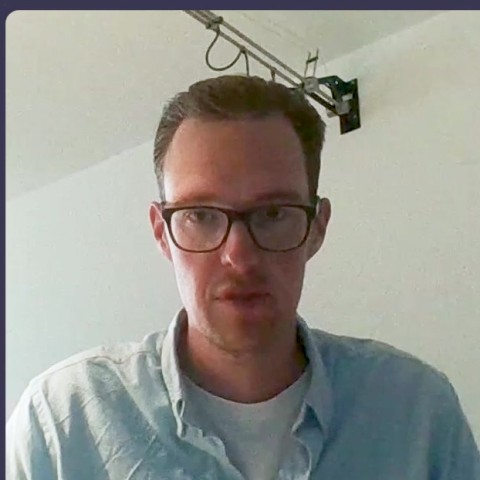 Jeroen KlijnsmaVP of Product
We are talking a lot about guest journey, but we are not talking about staff journey.
Transkript
Auf eine Zeitmarke klicken, um ab dort zu sehen. Die Aufnahme ist auf Englisch.
06:01What is the issue or what are the issues that you encountered when you decided to start…
11
the Future of HospitalityYeah. Yeah, it's the classical way of of entertainment. Yeah. I like it. I like it. Well, times have changed, but the desire that people want or the the things that people expect when they go to a hotel has not, I think. And let me move forward to go ticking. Before we start talking about go ticking and what you are solving, what what are you what do you do helping hotels? What is the issue or what are the issues that you encountered when you decided to start Gotikin?
Jeroen KlijnsmaThe start of Gotikin was a solution for a problem of lack of communication.
the Future of HospitalityAnd and then be behind in on on on in the back end of hotels. Right? Yes. Correct. Okay. So between
Jeroen Klijnsmareception, housekeeping, and maintenance, Those are our three main core parts of the hotel that we focus on. And if I talk about lack of communications, and definitely in the beginning, this is about nine, maybe ten years ago, The cleaning company that came to us was always quite busy with giving insight in what they did for the hotel company. So if a room was cleaned, just so they know, there was a lot of confusion. There's a lot of changes happening in the business. And solving those quick changes and that lack of communication about that, that is basically what we do. So we give So the lack of the
the Future of Hospitalitylack of communication between which parties? Can you go a little different? Housekeeping.
Jeroen KlijnsmaYeah. Reception knowing which rooms have been cleaned, who need to be cleaned, and are being cleaned currently. And housekeeping, informing receptions which rooms were done.
the Future of HospitalityRight.
Jeroen KlijnsmaThat is the
the Future of Hospitalityessential of it. That's the basis of our system. So how does it traditionally work? I don't know that. I don't know how it works on the back end. Well, I know a little bit. I learn more. But how does it traditionally work? What what how did they work in the hotel that you were working at that time? How did that work? In the morning, you print out a list of your
Jeroen Klijnsmastatus of every room. So you see which room is occupied, which room is vacant, and which rooms will be stay over or a checkout. From that moment on, basically, in the morning, the housekeeping manager will start making the list for everybody. So everybody that is involved on that day cleaning those rooms has a certain allocation of rooms. So you say, okay, Jorgen, you have to clean 10 rooms. This is the list of rooms. I know you have to clean also 10 rooms. I do one to 10. You do 10 11 to 20. But that's it. We don't know when the guest has left. We don't know what other changes happened during the day. Is that's the that's the paper. And that manager has to get all the information from the reception down to that paper. And as we know, hospitality is ever changing. So daily business changes at every moment. Very dynamic.
Jeroen KlijnsmaSo dynamic. Things break. Maintenance is involved in certain setup of rooms. So you might have to wait for certain rooms. You have to wait for guests to be leaving, and and all that information is very static. So, yeah, my paper doesn't change. My paper doesn't evolve in a way that, oh, this this guest decided to stay another night or this guest How did how did you hear that? How how was that being communicated? Phone calls. Phone calls. Phone calls. So every every minute, a phone will be going off. Guests will be disturbed in the morning at six, 07:00. People getting phone calls. I have to change it. Housekeeping manager, supervisor, looking for their staff. Where are they? I need to change this. Oh, can you go to this room? And it was so yeah. Inefficient. That sounds very inefficient to me. There's a lot of, yeah, wasted time in these moments and a lot a lot of frustration in these in these moments. And that's what we solve. That's the Okay. Do explain to me how
10:21How are you solving this with GoTikin?
7
the Future of Hospitalityhow are you solving this with GoTikin? I've seen the video, so I'm That's great. That's good. I'm
Jeroen Klijnsmabut I want to hear you explain how it works. So what we always, tell the the the the the new users is you still have your list. You still have your 10 allocated rooms, but it's directly informed from your PMS system. And everybody in the hotel works with it. So from a general manager to a dishwasher, everybody has access to the application. It's on their phones. They have their personal login. And from that moment on, they can communicate. They have direct messages to each other, so no more phone calls. But, also, if a guest changes the the stay over to a checkout or checkout to a stay over, that's directly informed by the PMS system. So we're linked to every large PMS in the world.
Jeroen KlijnsmaSo we have direct change of knowledge, basically. So that supervisor doesn't have to call anymore. It doesn't have to inform their people. They can move rooms off list to somebody else. They can allocate certain task to to staff, and everybody knows exactly what to do between those three departments. So reception is informed, where is the housekeeping cleaning, doesn't have to call, doesn't have to change anything anymore for housekeeping. Housekeeping informs reception, these rooms have been done, these rooms are cleaning, the cleaning is in progress. And maintenance is in in the meantime, which always sometimes a little bit of a a department left on the side where, okay, I I have to be on that room. I know, but there's a guest right now. What's going on? Like, is it already cleaned? Just so they know, I'm gonna go in there before it's cleaned so I can do my thing and clean, and the cleaners can do it after, yeah, to make sure that the guests can check-in again. And that's basically all within the application.
Jeroen KlijnsmaSo everybody has their part and way of communication and basically getting insight and, yeah, solving the the issue of a static list to a very much interactive list of, yeah, what needs to be done.
the Future of HospitalityFor my imagination, so someone is cleaning a room, preparing it for the next guest, and something changes. Does the the person who is doing the work in the room in the hotel, does that person get a notification once there is a change? So he or she sees on their device,
Jeroen Klijnsmaoh, what? This is this this is for me. This is can you give me an example? Yeah. So for example, if you would start off in the morning and you have your list of 10 rooms, sometimes you start at eight, sometimes you start at nine, but it as you don't sometimes really know which room to start with. The application directly knows if a guest checks out, the room will be empty, and it goes directly to the top. So I don't have to look for empty rooms anymore. I don't have to knock on rooms. I I that's complete. I'm not disturbing any guest that might be still be sleeping.
Jeroen KlijnsmaI know my room. That's empty. I go to it. I knock on the door. There's still the tradition in there to make sure that, yeah, systems can always be a little bit off, or guests can be still in the room and have checked out yet. And they start cleaning. So they press a button. They start cleaning. Everybody's informed. Supervisors get a notification, and that's how they, yeah, start with their first room and then the next room and then the next room. What if that person is cleaning the room and the person finds something
14:01Do they go downstairs or do they use that same device?
11
the Future of Hospitalitythat is unusual? Do they go downstairs or do they use that same device? I'm Same same device. So Can you give me an example? For instance, there is they forgot stuff.
Jeroen KlijnsmaA lost item. Yes. So that's that's one of the things that lost items can be lost by guests, but then most of the time with paper setups, so traditional hotels also lose the lost items of the guests, and they they lose track of it sometimes. Oh, yeah. That sounds very interface to that like. It's the no. They can make a within the application, they make a picture of the lost item. It gets a short description, but we say always a picture says a thousand words, so that's quite quite clear. It gets an individual number, so it's easily trackable through the system. We have to guess the details in there. We have the details of the person that found it, of course, and where. And it's also more important where is it stored. So we can also, therefore, say, okay. This is stored in Box 2 or clothing in this this part of the hotel.
Jeroen KlijnsmaMhmm. The notification goes directly to reception, or to managers. So say, if a guest checks out in the morning at ten, calls back around two, they already are informed that the item has been found. And therefore, yeah, the guest satisfaction goes up because, yeah, reception doesn't have to call housekeeping. Hey. Have you cleaned this room already? Is did you find this item? No. They have the accessibility as well so they can track and go taking and see, oh, this is the item has been found. Yes. They can track how the guest would like to receive it or if the guest is coming back,
the Future of Hospitalityand then we'll pick it up. So, yeah, it's it's all in one solution that that, yeah, enables the housekeeper to do these things. Sounds to me something that should have been there all along, so I'm surprised it wasn't there. So you filled up a gap Yes. Apparently. What is the what are the kind of what are the hotels? What are the the the properties that you that are using your software at the moment? What kind of hotels? It's quite broad, which we are quite happy with.
Jeroen KlijnsmaWe expected this to be more of a system to be used within the higher standards of hotels, so the five star hotels or smaller hotels because yeah. Basically oh, sorry. Larger hotels. Yeah. Because, yeah, when you have a lot of stuff going on, you need to be informed of everything that is that is happening. But we see a very nice and broad diversity of hotels. So we have a certain amount of hotels in in Lausanne in in the beautiful Switzerland Yeah. Which is the Beau Rivage Palace. And I named their name because I I know they love us, and and we love them. And they have five hotels, which are absolutely stunning. It was a stunning of the hotel again? I didn't hear the The Beau Rivage Beau Rivage. In in Lausanne. In Lausanne. In Lausanne. And they have the Chateau Dussi, Angleter, and Lausanne Palace in Lausanne itself.
the Future of HospitalityOkay.
Jeroen KlijnsmaAnd it's an absolutely stunner of a group, and it's I've been very fortunate to have been there Okay. Times and trained them as well.
the Future of HospitalitySo you give extra service. Tell me more about that. You train people? Okay. Tell me So what we see is the
Jeroen Klijnsmasystem is applicable to all hotels, but all hotels have their own way of working and their own quality standards. We combine those two. So we give them the tools of co teching that have been developed with the feedback of our users, and we have we bring in the best practice. And that best practice is then copy paste it into the hotel, but we also take what the hotel needs and does on a daily basis that has been working for them for years. That needs a personal touch, as we call it. And that personal touch happened to be me in this case. So, yes, I sell the product. I am the communication between the developers and the users, but I also train the hotels. And with my experience of training different hotels, I'm able to combine the possibilities of go taking together with the operational expertise of the hotel.
Jeroen KlijnsmaWow. That's very personal touch. I like that. Yep. And that's and that's what we noticed. It's the the ever changing business is lacking a little bit of personal touch. We are talking a lot about guest journey, but we are not talking about staff journey. So how do we actually train and help our staff understand all the systems that they use? And sometimes I learn a lot in most cases of how things can be different. And definitely in five star hotels, you see a lot of different things happening because guests have different expectations. But that is very much applicable to a hustle that we have where the intensity of cleaning is is much different and the efficiency needs to be much higher.
Jeroen KlijnsmaBut efficiency of quickly helping a guest with a request right now is also very trackable. And all those combinations, we see in different hotels coming up, and that is
19:23How application, how does it go?
25
the Future of Hospitalityabsolutely fantastic. Fantastic. That is just Sounds sounds really good. I really like this. Question that pops up is how easy or difficult is it to integrate in the hotels? Because they're working out with all these different systems, so you don't have to put all that information in one Yep. New app. How application, how does it go?
Jeroen KlijnsmaThe connection between the PMS system and GoTicking is done via EasyLink. EasyLink is an interface software, and that has been around for, I think, almost thirty years. Yeah. But that's also the basis of our developers, the basis of our knowledge within the business. We have over, I think, about 25,000 individual users of that system. And with users, I mean, hotels, properties, rooms. And that enables us to have that quality connection with BMS systems. As soon as a connection is made, we get all the information and data from the BMS system. We set up go ticking that takes about half a day. Sometimes much less. Basically, it's setting up room times, users, cleaning tasks, and then, yeah, basically, we combine the operational challenges as cleaning task, automated quality list, standards for maintenance, standards for lost and found, standards for reception.
Jeroen KlijnsmaWe have we basically include that in the whole system.
the Future of HospitalityWonderful. Yeah. How is the feedback from staff who are working with this software when you when you train them and you monitor, of course, I can I can understand? So what is an example of feedback that you are getting from people?
Jeroen KlijnsmaThe feedback is mostly I'm trying not to be too complimentary of myself, but it's the It's alright. Go ahead. It's well well, I I've told you this story already, and that's the story I really, really enjoy telling. It's it's the training I did of a staff member that was two weeks before his retirement. We started working with this system. And, basically, everybody in the hotel said she doesn't need to learn it. She's very happy with her list. She doesn't even have a mobile phone, so please don't try to put it in her hand. Experiencing that challenge with her was my personal challenge of making sure that she was gonna use the system, and then I know it's perfect.
Jeroen KlijnsmaSo the first day I came in and she said, oh, you're you're that guy with that system. You're that guy? Yeah. I was like, well, I I know I I am. I just I I really don't want you to be feel pressured. You still have your list, but I I'm from my experience and for the system experience, I want your feedback, and your feedback will help making this system more applicable to everybody. So I gave her the application with the phone and the list, of course, explained it to her in about five minutes, and she was like, okay. I'll try it. We walked to the first room. She opened up the application. She filled out her personal login, saw her own list, and the first question was like, oh, so I need to clean this room? She said, yep. Okay. Oh, when I press this, that's starting cleaning. That's starting cleaning. Yep. When I'm finished, yes, I press this. Yep. Okay. Oh, and then everybody Starting that stuff. Okay. Yeah. Yeah. What I'm doing so the symbols work for itself. Yes. We we have the application applicable in every language that you can think of, But it's the symbols that is the essence of what is used in the hotel.
Jeroen KlijnsmaAnd basically, at the end of the day, she came back to me and said, Yaron, if I would have had these systems six years ago, I would have started or I would have stayed with this company for another at least four years. And I was like, well, that was one of the that's that's the most,
the Future of Hospitalityyeah, memorable feedback I've ever had of this. That's huge compliment to your work. Yeah. I mean, that that is to everything. I like that. And I think that's the the the and it's
Jeroen Klijnsmayes. It's very nice to receive this feedback from a a user and basically someone who uses the system, but it's not me to thank. It's her colleagues, basically, because this is all developed with their feedback. And that started off with just a simple setting of a change, and they have given us the input to grow from just a small list of rooms that they had to clean to all the possibilities that they have right now to turn down service, quality control, maintenance issues, standardization of cleaning task. And with our symbols, we basically, yeah, help everybody. So that's Everyone is connected. Everyone is connected. Yeah. From the current users to the new users, And I think that is also, our developers are very mindful of what they do and which symbols they choose. We just didn't update yesterday, and they always surprised me of how, yeah, over exceed my expectations of what I would like to have in the system or basically what the users would like to have and see.
Jeroen KlijnsmaAnd then, yeah, they they come up with things that I'm like, oh, that's the easiest way. And they have never cleaned the room. So it's also for for them to have that experience in saying, okay. We developed this and this. It's just a great cooperation between everybody, And I think that's the yeah. The feedback of that user will always stand with me. Of course. Where
the Future of Hospitalitycan people find your software? Because you just sold it, honestly. Where can they find it?
Jeroen KlijnsmaWell, physically, do you mean in hotels or do you mean Online.
the Future of HospitalityI mean, there's a lot of people listening and and watching this this podcast. So it's it's important that not that that people just hear about this, that it can be done much more efficient, but for them to find out what it is, what software is about, and where they can find it. We have the website, so gotechin.com. Canfind.com, and that that that you spell it without the g. It's gotikinwithann.
Jeroen KlijnsmaYes. It's g o t I c k I n.
the Future of HospitalityGogotikin.com?
Jeroen KlijnsmaGotikin.
the Future of HospitalityThat's basically .com. Okay. We we are
Jeroen Klijnsmatrying out a new slogan, and I my my fiance, she's in marketing and and sales. And I said, we tick all the boxes. And she said, yeah. But then you have two times ticket. I think it's a nice we tick all the boxes. I think that's a
the Future of Hospitalitya nice slogan to to have, and we're trying it out. So maybe after this, everybody will be picking it up and say, oh, yeah. They tick all the boxes. We tick all the boxes. I like it. No. I do like it. I do like it. Give it some give it some time, but I think this will will be a good one. Could be a good one. Could be a nice nice setup. Yeah. And LinkedIn
Jeroen Klijnsmais is one of our yeah. That's the best network setup that we have. So if you connect with me, if you follow our page on LinkedIn,
the Future of Hospitalitywe just have our yeah. As you saw, the new one minute pitch. Yeah. I love that pitch. Well done. And all the icons, the images, indeed. So I when when you were telling me how this works, I I in the back of my head, I got these images that I saw on the on the on that clip. Really good. Less text, more more more visuals. That's that's what I have learned from the fiance. Less less text,
Jeroen Klijnsmamore more visuals, and that's that's the She's right. They need to understand it directly, and that's also with with trainings and what we do on locations. It takes two days in house to train the system, but afterwards, I don't I don't have to be around anymore. They are fully self set up and self sustainable, and that's the that's the great thing. There's no, yeah, need to sometimes go back other than I just love going to hotels and step again and talking to them and see what's going on. That's just the the benefit of, yeah, having your systems in place in nice hotels and just walking in and have a cup of coffee and talk to them. That's the The personal touch. The personal touch. Yeah. Yeah. That's the that personal touch comes back in every part of my job, and that's the that's the best. I was in a hotel last week, and they've gone through a full renovation of the whole the hotel. And they're close to the beach, and they're opening up, but nothing is done yet. So you always know in a hotel when it's opening up after renovation, there's still a lot of stuff to do. Mhmm. But we're just walking in there, talking to everybody, seeing the general manager, talking to her about her experiences, and then helping out the housekeeping manager saying, it's more of a pep talk than a, yeah, a training of anything, but it's just to hear their stories and to see what is going on and helping out. And that's to give a little check of the system. Is everything still okay? Yep. All is good. New people? Yep. All good in the system, easily done, and then, yeah, they can start off fresh in the, yeah, very busy season to come within the with the beautiful weather currently in The Netherlands. Sounds good. Johun, one last question. Is there any
the Future of Hospitalityadvice you would give to people who want to enter the hospitality industry?
Jeroen KlijnsmaThink about it twice. It's hard work, but very, very nice as soon as you get your first compliment of a guest and keep that personal touch. Make sure that you get to know your guest. Find out where they're from. Find out what drives them. Get to know their story. And that's the that's the greatest advantage of this business.
the Future of HospitalityWonderful. Gotickin.com. Thank you so much. You're welcome, Ian.