The power of guest communication in hospitality
Great hotel guest communication isn’t just about being polite, it’s a key driver of guest satisfaction and revenue. In this episode, Tanja shares how proactive, thoughtful interactions can prevent complaints, increase upsells, and create lasting guest loyalty.
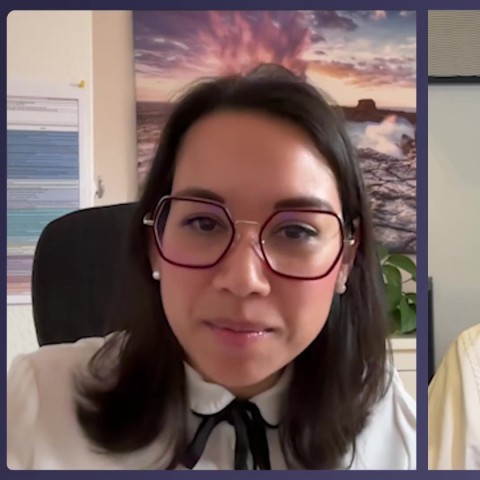 Tanja ChakrabortyFounder
And a missed call isn't just one lost booking.
Transcript
Click a timecode to watch from that moment.
01:35Is that what, what makes you happy?
10
the Future of HospitalityNice. Nice. And you also like this part, I guess, the communication part with the guests. Is that what, what makes you happy?
Tanja ChakrabortyOh, definitely. Definitely. Love it. I love the hotel industry, and I always loved it. It's, you know, every day is different. And, yeah, communicating with guests, I learned a lot throughout my career, and now I can all use it in in my own business, what I, you know, learned and achieved and gathered from all different countries as well. Okay. Nice. And
the Future of Hospitalityyeah. So can you maybe because it really interests me. Can can you share a moment in your career that you realized, like, how important guest communication is? Like, the impact of of guest communication, for for example.
Tanja ChakrabortyYeah. I can't recall just one single moment because they were so messy. But I do remember when I started to approach guest communication differently. It was during my time in Munich. At the front desk, you answer the same questions over and over again. And over time, it's easy to give short automatic responses because the information feels obvious to you. But I realized that this often led to guests returning, you know, with follow-up questions simply because they hadn't received a complete answer in the first place. So for example, if a guest asks, what time is breakfast? The standard answer might be from seven to 11AM. Sure. But that alone isn't enough sometimes. It depends, of course, also which guest you have in front of you. A business guest will not want to have so much information, but a leisure guest will.
Tanja ChakrabortySo the guest might later come back asking where the restaurant is or arrive at 10:45AM only to find that most food has already been cleared. So instead, I started giving proactive answers, like, for example, breakfast is from seven to 11AM in the restaurant, which you'll find straight ahead behind the bar. If possible, I'd recommend come for 10AM as then when you'll have a quieter atmosphere to enjoy your meal. And this small change made a huge difference, because it prevents guest complaints and, saves time by reducing, you know, follow-up questions and make guests feel truly cared for. Nice.
the Future of HospitalityYeah. That's a good one, because I think that the maze that that the most people, they are really reactive. Like you said, you ask a question, you answer, and that's it. But, that, yeah, keeps them coming back, and it like you said, if the restaurant is closed, like, thirty minutes before, it's still open, but all the food is gone. You have to mention that, be proactive. So I really like that
Tanja Chakrabortylike that, Donahue. Yeah. When I when I realized how much I could improve the guest experience just by, you know, changing the way you communicate, yeah, then you really feel like the the power of guest interaction or what what difference it makes or can make. Nice. Nice. Was there someone in your career that really had an impact on
the Future of Hospitalityon how you act now as hospitality and personal? Like, did that really, like, change your mindset or, I don't know, triggered you about another vision of you?
Tanja ChakrabortyAgain, it's it's really, difficult for me to name just one person after so many years in the industry, and I don't wanna miss out on the important name to to mention. You know? And but it's really in every hotel I worked at, there were people who had a strong influence on me, both leaders and colleagues. Some helped me grow professionally. Others inspired me with their personality. And if you even become mentors over time, what I've learned is that, yeah, most people who give you really tough feedback are the ones who improve you the most or help you improve the most. And it's always it's not always actually your direct manager. Some of the biggest influences I had also came from people completely in different departments.
Tanja ChakrabortySo, yeah, for me, it's the key to
05:53Can give me some examples where it can go wrong if you don't know those best practices?
21
the Future of Hospitalitystay open to learn from everyone around you. Nice. Yeah. That's that's how we end with not only in hospitality, but in life in general. That should be the mindset. I totally agree with you in this one. And and can you give me of course, you gave me, like, a little example when somebody calls you for, you know, when is the restaurant open? Can you give me some other examples when it can really go wrong if you, for example, don't if you aren't good in guest communication as a hotel? Can give me some some examples where it can go wrong if you don't know those best best practices?
Tanja ChakrabortyWell, definitely. I mean, it can go wrong if, for example, the team is, you know, new. Like, if I mean, it starts with, like, the fundamental knowledge. The biggest mistake is when the concerns are, for example, either not taken seriously or completely forgotten. In a task based hotel environment, especially during peak check-in times, pool arrivals, or whenever a phone is ringing nonstop, small guest requests can sometimes get lost. What might seem minor to receptionists can be a major issue for the guest. And if they feel ignored or unimportant, they're more likely to write a negative review. For example, if a guest reports an issue with Wi Fi and their response is simply, this happens sometimes, which might be true, they might the the guest might feel dismissed.
Tanja ChakrabortyAnd but for them, it could be a critical issue. Maybe they have an important online meeting, and now they're unable to work. So Sure. The best way to prevent this is through continuous training and attention to detail, I'd say. You know, always write down the guest requests, follow-up to make sure they're resolved, really taking ownership of it. Nice. And if you can't, as an employee, then just escalate it, to your manager.
the Future of HospitalityNice. Because I think, also, like, how you say it is sometimes more important than what you say, and it's also part of, like, being having this empathy with no no Wi Fi is like a that's a we cannot do anything at the moment, but you can say, there's no Wi Fi. Can I do anything else? Bye. Or you can, you know, talk a little bit more and show that you care. Again, that's, I think, really important because from my opinion, and I would love to hear yours, I guess communication is like a big influencer on reviews because most of the time, I don't of course, there are, like, reviews where people say the room wasn't that nice, blah blah blah, but communication plays a really important part on if it's a good review or bad review. Like, the communication part with what that is. How do you look at it? Yeah. Exactly. It
Tanja ChakrabortyI mean, things will go wrong always. It's not possible to keep technology from having mistakes or anything, so this will always happen. And it's just, yeah, the way you deal with it and just yeah. Always try to put yourself into the guest's shoes and, see it from a different perspective maybe sometimes. And and the the guest most of the times already appreciates it if you really care and if you really try to solve the problem for him. Sometimes when I don't know, what can I do for him because he's just so upset, then it's also okay to ask the guest, you know, what what would make you happy in this moment? Would you No.
Tanja ChakrabortyWould you like to move the rooms? For some guests, that's fine. Some guests, they say, no. I don't wanna pack my lunch again. So it really depends on just speaking to the guest what how we can help them in this moment. Nice. Nice.
the Future of HospitalityAnd and if we take a look at the the other part, like the positive parts, can you give me an example, maybe even a recent one, that you felt like that you really make made a difference for for a guest just by answering your phone and saying something?
Tanja ChakrabortyWell, for the phone, it's over the phone, for example, there is, you know, discuss sometimes, and and you're not there physically because I'm on the phone with the guest, of course. Yeah. But, and they're really upset. Usually, they call and they they're frustrated. And first, they just wanna get it all out. So you just listen. And at the same time, I'm trying to make notes so, you know, you don't have to ask the guest again. Can you tell me again? Can you tell me again? So we make notes also while he's talking so you can then, in the end, repeat what he said and make sure you understood everything. That alone is already, I think, the first basic point. So the guest feels, okay. She listens to me, to my to my issues, and she understands.
Tanja ChakrabortyAnd then you can see whatever you can do. Of course, it depends. For for example, I had a guest the other day. He had an issue with the AC inside the room. It wasn't wasn't working. And then, of course, you try first maybe fixing the problem. Did you do this inside the room? Of course, is the heater on? You check if there has been any other requests coming in from other guests. So maybe it's just a problem in his room and not in the other rooms. Then, of course, the the best way usually is to to offer a room move. And, the guest is already happy when you, yeah. They know most of the guests, know problems occur.
Tanja ChakrabortyNo no hotel is perfect when nothing happens. And, and when you just offer a solution immediately, like, taking things on hold, let me call you, like, in an hour, then maybe sometimes people forget. Or if you say, okay. I'm here now. I'm I'm here to help you, and let's see what we can do for you. And, of course, if it's, you know, a major problem, and if the availability of the hotel allows, I also try to give an upgraded room then Yeah. You know, to to compensate for it because that doesn't hurt the hotel so much. And in the end, it's more worth it that the guest is happy. True.
Tanja ChakrabortyYeah. And then, yeah, they're happy if you have a quick and confident solution, if you're nurse. Yeah. Because that's what they want. They they have a problem. They want it to solve. Yeah. They don't want
the Future of Hospitalityto feel that they talk to somebody that doesn't that can't solve it, and they just have to escalate it to other people that feels like, why am I talking to you and not to the person that can really help me? But I really like your point in regards to there's a big difference in into listening to your guests, and also show that you listen to your guest. Because sometimes, even if though you listen, you still have to mirror what he said because then he knows that you really listen. And I think in communication, that's really important to to show that you listen, not not just listen because then it it is not sure that you really listen. Because in his opinion, it can be just you know, I'm just talking to Italian.
Tanja ChakrabortyAnd they they feel it. You know? They they know when you didn't listen or when you, because then sometimes when when you would ask a question and the guest will say, I just don't. Then he already knows, okay. That she's busy. She has something in her mind or she doesn't care. Or True. So if you already know what's going on with the hotel and with the guest and ask maybe also follow-up question. Like, why is it important for you? Do you have, I mean, with the AC, of course, that's that's that's fine. But, like, also with the Wi Fi, do you have an important meeting? Or is it fine to solve it later? Then maybe we can check with the IT manager. Or is it an urgent problem? You know, to to a little bit, do some follow-up questions so you know the urgency of the problem and, also know maybe already in your head on what would be the best way to solve it so you have a better background of
the Future of Hospitalityof of the issue itself and what is exactly an important for the guests. True. True. But I can imagine that if you if you work at the front desk and when there's nobody there, then you can talk with the guest and, you know, be like have a lot of patience and everything. But when it's speaking and there are a lot of people, then you want to, you know, talk and, you know, what do you want? Okay. Check next. Check next. Next. And you want to to, you know, to finish the call. So what is the challenge here for for those hotels? Like, I I guess it's a big challenge, right, that that front desk, people when they do end, they do phone calls and they handle people on the desk, that can be, like, a little bit challenging, I guess.
Tanja ChakrabortyYeah. Definitely. For sure. Hotels need to ensure that incoming calls are handled professionally without disrupt, disrupting front desk operations. And there are several ways you could do this. Forward calls to an external reservation department or call center. Some big hotel chains, they do that. Also dedicate a train team within the front office only for phone handling, which exists also in in in many hotels. We use phone solutions that help manage call flows such as an answering machine during peak hours. I know some private hotels, for example, have that as well. There's no, I think, one size fits all solution. True. But every hotel should have a clear strategy in place, a well structured approach, benefits guests on the phone, guests on-site, and the front desk team alike. True. True. And do you feel that that hotels, like, underestimate,
the Future of Hospitalityguest communication a little bit? Like like, for example, inbound phone calls?
Tanja ChakrabortyWell, it's it's it's, different from hotel to hotel, but, definitely, the, focus is yeah. You lose revenue when you when you miss phone calls. And it's it's definitely that, like, a a busy front desk simply can't answer the, you know, 100% of incoming calls, While some callers will try again later, others won't, and that means lost revenue. And a missed call isn't just one lost booking. It could be the loss of a long term guest Sure. And who might have returned multiple times. Additionally, missed calls has lost opportunities for for upselling. A guest who originally wanted a standard room might have been willing to upgrade to a suite if given the chance. Instead, I book elsewhere, and the hotel loses both immediate and future revenue.
the Future of HospitalityAnd and do you feel that hoteliers, they understand this importance here, or or do you feel like they still don't really know, like, that it can be such a big impact on the revenue of the hotel and experience?
Tanja ChakrabortyI think, definitely, I mean, in in those, you know, big hotel chains, definitely, they have all the processes in place, and and they do understand. It's more in, you know, small smaller hotels, private hotels where they also have maybe not so much you know, where they have more staffing issues as well. And especially after corona, so many people left the industry, and it's hard to find new new stuff. So they are trying to, of course, cover the, you know, the most important, the guests in house, the Yeah. At the front desk. And, especially in smaller hotels, they cover sometimes even other areas, like to do reception, then later they help me with breakfast and then other areas as well. So they have a lot all around to do.
Tanja ChakrabortyAnd I think that in those kind of hotels, a lot of times, these calls are ignored because that's kinda the last thing that's important to them right now. True. You focus on the guest. It's busy, and you don't wanna be rude also in front of the guest answering the phone while there's maybe already a queue in front of you. So, yeah, I think in in the smaller hotels, I think it's a missing opportunity.
the Future of HospitalityYeah. That sounds like a really missed opportunity. And, in regards to, like, like, the the the let me see. When somebody calls you and you are not you can't answer the phone. I know that it can go to a automated machine or blah blah, but I know, for example, when I call a hotel, I want the answer now because, you know, for example, I want to book something, and I'm checking three hotels, and I'm checking hotel x and hotel y and hotel zed. The one that answer the first, that's most of the time, the one that I go for. So can you maybe share, like I'm really interested in in, like, a real life example.
19:11Can you maybe share, like, the impact but really with numbers?
14
the Future of HospitalityWhen you did your service to an hotel that you can really show, like, I answered such amounts x amount of phone calls, and this was the extra rev revenue that we that we get into. Can you maybe share, like you don't have to rename the hotel, but just to to understand, like, the impact of of revenue when you answer the phone faster and also in the evening hours and, you know, when you have somebody like you that that is on the phone that can answer those phone calls. Can you maybe share, like, the impact but really with numbers? Because I'm really curious about the the numbers.
Tanja ChakrabortyYeah. Well, I have, for example, a small hotel. It's it's usual, like, a four star property, a private hotel. And they have only actually, like, yeah, sixty sixty rooms roundabout. And so in the evenings, there's not too many calls actually coming, like this specific hotel, which I'm talking about now. Sometimes, it's it's only five hotel five like, the service I'm doing for them is usually in the evenings. Yeah? Six to 10PM, let's say, put some some facts. And they want mainly to cover on the weekdays, Monday to Friday. So that's that's the month then, from the timings covered. And, usually, they really like, on an average, there is only five phone calls in in the evenings, which sounds, for a big hotel chain, maybe really not that much.
Tanja ChakrabortyBut, for them, it's a lot of help, because they only have maybe one or two people at the front desk. And for them, it's already a lot of work when phone calls are coming in. That is that is hell. And and one call, especially if it's new booking, it's sometimes ten minutes that you're with the guest on the phone because he asks questions. You have to explain the categories and all that. So for example, of course, it depends. Like, yeah, this hotel specifically, is roundabout then. I mean, you I don't have a number, like, on a on a on a month, but, sometimes it's hundreds €150 per night.
Tanja ChakrabortyYeah. And some guests, for example, they are calling and saying, hey. Can I extend my study as well? I bought the booking, the room with booking.com. So, of course, I'm telling him, yes. I can I can make the booking for you, but I cannot extend the booking from booking.com because it's a third party booking? But I'm happy to book it here now for you. And then, again, right now, you have one call. Maybe, like, the other day, he just extended for five more nights. Said, yes. Easy easy solution. Please make it. I just wanna, you know, stay in the same room. That's important for me. I just wanna extend my stay, and take five more nights. Okay. No problem.
Tanja ChakrabortyThat's that's another, like, with the hotel category he stayed, another six hundred euros for the hotel Hi. Just for answering one phone call and extending, the guest stay. Of course, otherwise, you get an incoming call, a guest, couples and says, hey. I would like to make a booking. I just have some questions. Then you give recommendations immediately on the on the room categories. Say, I have here two options. One is the standard category. The other one is maybe an upsell opportunity, a higher category. You're you're a family, maybe with a child, like two parents, one child. I'd recommend a little bit of a bigger room.
Tanja ChakrabortyIt's you have a nice view, and and the guests appreciated that as well. And then, I mean, that was also just another example. I mean, there could be so many examples, but I'm just speaking the two which are just in my head right now. And, and then it's an immediate like, from, like, an executive category, €400 for for two nights. And, and that's revenue because sometimes, like, especially the call I was talking about now, it was for the same evening. So they were looking for a stay in the same evening. So if nobody would have answered that phone call, they definitely would have gone to the website, checked what other hotels are in the area, and make the phone call somewhere else because they wanted to go tonight so they will not wait for much longer. True. That's a really important one. But the the one that answers first,
the Future of HospitalityI think, really, wins the the opportunity. But, in regards to the the one that said, for example, I want to extend, and he's already in the hotel, do we really think that if you didn't answer the phone, that he would go to another hotel? Or because sometimes it's just the service that you give. And even if he didn't answer, he would just go to the lobby and close the deal. Right?
Tanja ChakrabortyYeah. Exactly. I mean, for for that for guests who are already inside the hotel, of course, he could go, to, to the reception and and and, makes the reservation there. Sometimes when it's busy, maybe he calls because he, there was also a queue because there is a big line. Or sometimes guests also because they want they want it just easy. They go also online and just make another booking in booking.com. This happens also many times. But then, I mean, it's just the commission who saves. He would also then like, there's a lot of guests who book online. They come to reception and say, hey. And it another booking. I just wanna make sure I'm staying in the same room. And, of course, the reception can do that immediately. He's absolutely no problem. You're right.
Tanja ChakrabortyAnd yeah. And then it's just the commission They both say. Yeah. Well, it's also something. So
the Future of HospitalityYeah. Every everything you say is is more money for the hotel. Yeah. So that's also always important. And in regards to something else, can you maybe, like, give me because I think that a lot of people that that answer the phones and a lot of people in general in the front desk, they are so service oriented that they don't really like to sell stuff because it feels like they are pushing people, and they they're not comfortable with it. If I'm wrong, then just correct me. But is there, like, a an easy upsell opportunity that you can give an example of? That if you do this, it's, like, easily, for example, you know, upgrading to better rooms or whatever. Can you give me, like, an example of an easy opt opportunity that hotels can, implement in guest communication? For example, when they call the the receptionist or whatever.
Tanja ChakrabortyYeah. So for example, I mean, there's different types of bot selling. There's room upgrades and F and B add ons, like breakfast. And while room upselling, I would say, requires some training and the right approach, one of the easiest upsell opportunities is simply offering breakfast to guests who haven't booked it. A simple question can make a big difference. I see you spoke without breakfast. Would you like to add it to your stay? I can offer it, as a special at a special rate. And, some hotels even have discounted rates for adding breakfast at check-in, making it an easy decision for guests. And, to make the offer even more effective, it's helpful to provide key details, you know, such as, breakfast timings, where is the location of the the restaurant.
Tanja ChakrabortySo the guest has all the information needed to decide. And many guests forget to book breakfast in advance. And since most people or a lot of people eat breakfast in the morning, this is a really natural and effortless way to increase revenue while enhancing the guest experience.
the Future of HospitalitySo true. Yeah. So just by asking it, you get a lot of more bookings, more and more breakfast book.
Tanja ChakrabortyJust But, yeah, sometimes it's just, you know, if if you don't try, if you don't ask at all, of course, you can't make any additional revenue. You simply see the guest has no breakfast, and you ask, would you like to have breakfast? I mean, even with no effort at all, like, any strategies in play, just by asking, would you like to have breakfast in the morning? I can see you don't have breakfast in your reservation. Then you already have a chance of decreasing your revenue. And definitely, lot of guests do increase, decide spontaneously or say, oh, I've forgotten it. Yeah. But
27:56Why should I give him sell the upgrade?
18
the Future of HospitalityI think also, like, most of the, people that answer the phones, they don't get a commission on on every upsell. Right? They don't like, getting commissions for for something like this. So maybe they feel like, why should I do that? Like, why should I because I don't get anything for it. So why should I just sell the breakfast? Why should I give him sell the upgrade? So why?
Tanja ChakrabortyI mean, in the end, it's, you always have to have the mindset of that you're not selling something to the guest. You're trying to help the guest. Right. If he doesn't want to have breakfast, you're not forcing the guest to have breakfast. And I think the mindset helps that you are really trying to I mean, upsell means for a lot of people, you're trying to sell something. You're trying to force something onto the guest, which he maybe doesn't want. But the behind is is that, you're trying to give a better experience to the guest, maybe something he hasn't thought about it because, of course, he might have never stayed in the hotel before.
Tanja ChakrabortyMaybe he, I mean, we just had breakfast, but for for an upset opportunity, it might be he comes for the big family. And you're just giving him an opportunity because you can see maybe when they arrive, there is a lot of luggage. You have two two children. You can say, oh, I can see now you you know, this the room maybe you've booked is is is quite small. And if I put an extra bed in there, then you almost have no space to walk in such room. If you like, we have a junior suite available at, yeah, at this interest price. You have an additional bathroom. You know, in the morning, you can get ready very quick. The children at one bathroom, the other in another bathroom. You would have more space for your luggage. Like, there are certain keywords which trigger, of course, which you could learn.
Tanja ChakrabortyBut in general, it's about we want to help the guest. You give us an option of do you want a bigger room so you have more space? Do you have more, you are maybe more fast already in the morning? And, of course, you have you have a nice room. Maybe there's a better view depending on which hotel you booked. Did you just put these advantages for the guest, of course, in front. But in the end, you should try to help the guest. And then in the end, you he appreciates it also. And in a lot of times, a lot of times, also a positive review comes in the end because the guest feels more in a way, oh, she thought about it and she would try to help me. And, of course, I had to pay more money, but sometimes it's not that much money. Like, sometimes it's €20 more for the guest per night for maybe, let's say maybe not for a junior suite, but maybe for the next upgraded room, it's €20 per night. He stays maybe two, three nights. Then it's €60 more. For some guests, it's not that much money. I tell And for the the the experience is more important.
Tanja ChakrabortyYeah.
the Future of HospitalityIf we talk about, for example, the future in hospitality and now with, AI, you know, upcoming AI, I saw some, some features where an AI agent can also, answer phone calls, and it can feel, like, really authentic. And even, for example, you can answer the same questions because if you know the answers, for example, the restaurant is open this amount of time, These are the prices and everything. Do you think that that will really, like, yeah, make a difference and will be, like, the future, or do you think something else will be always be, like, people like you answering phones? How do you see that?
Tanja ChakrabortyWell, yeah, that's a tough one. There definitely be, you know, more AI driven tools, coming. And we already seen improvements on chatbots, voice assistance, automation tools designed to support hotels. And AI continue, will continue to streamline, you know, making daily tasks easier, enhancing the guest experience. However, I don't think AI will replace human interaction completely. The human touch will become even more valuable at technology advance. Definitely, voice assistance will also increase and getting better and better. For now, standard questions definitely can be used by AI, same as chatbots already do on websites, for example, answering the same questions like, yeah, what time is breakfast? Like, the standard pricings and the standard, yeah, those standard questions, of the hotel.
Tanja ChakrabortyBut many times, you know, the guest has also wants immediate answer and immediate response to the specific problem they have right now, especially in a hotel, where it's all about an a personalized experience. They have questions, and I've I've seen it also all the time. Even when there is a chatbot already on the website answering those questions, they call and say, I can see you have, for example, parking available, but I have, a deaf kind of car, will it fit into the parking? Where exactly is it located? Where, how how does it work when I come? Do I need do I need a ticket to drive in and out from the parking lot?
Tanja ChakrabortyI mean, sometimes they're really detailed and specific or they say, oh, I'm going to a concert in the evening. Is can I just go? Do I need to, like, validate the ticket before? And some hotels, you have to get it validated, for example, you know, to drive in and out all the time that he wants. So those there's always specific questions, which, of course, you can try to cover them all. But many guests still, at least for now, call hotels because they don't wanna go through press 1 here, press 2 here. And and then the next question, they wanna go to their immediate question. Because most of the times as chatbots work for now, it's also you ask, what is it about? It's about breakfast.
Tanja ChakrabortyIt's about breakfast timing. It's about that. It it takes some time until you get to the question which you actually want. And for some for most people, at least right now, which I experience, it's easier to just pick up the call, answer the questions, and you get it answered immediately. But who knows what's happening in the future? Yeah. I think Destiny Hotels, have to keep up with AI, and it's a competitive market, and it's
the Future of Hospitalityit's important for sure. Yeah. It's a really Yeah. You you learn me some stuff in this conversation, but it's a really tricky one because on the one hand, if it's a standard that's how I look at it. If it's a standard question, then the first response is is can make a difference than just answering the phone. If AI can answer it and it's a standard question, then a fast response can, you know, make a difference. But if it's a more detailed, question and he also wants it's more and more about emotions. For example, like you said, the Wi Fi is not working. The answer is always, yes. I understand.
the Future of HospitalityAnd, you know, you cannot do anything at the moment. So it's more like an emotional thing that you have to, you know, make you feel better about about yourself. That's more difficult for AI. So it's kind of the balance, I think, when should AI answer calls calls and when should it go to a to a person. Because nowadays, you all said, like, I don't know if you know, like, conversational AI that you that you can call a number, and somebody answers the phone, and he really says, like like, hi, Tanya. How are you? You can ask him, he answers. It's not like push one or two, and then he goes to the next question. Yes.
Tanja ChakrabortyYes. Yes. I've I've noted. I experienced it myself as well when I called somewhere. And and it it way it works though the same or similar way. Like, it will answer what is it about, to to cover, like, the first topics, then you will go to the next question, then you will go to the next question. And then I believe in the end, the way I know it, is like, do you want to speak with an agent? Or have you been helped by now? Like, pretty much. And, yeah, and and from feedback, what I know is that, yeah, many guests might be also I mean, if you have absolutely, you know, no option, you don't have to staff for it. You and it can help definitely to answer maybe the most frequent questions questions in the beginning.
Tanja ChakrabortyI'm sure a lot of guests being helped already by, you know, the most simple questions which they maybe don't find on the website or they haven't looked even and it's wanna make a phone call, and then they get the answer. But, some guests are also, at least for now, are also annoyed by, that it takes much time until they get to the answer they want. But, for sure, like you said, it's it's it's an emotional, part. It depends also if the guest has a problem. Does he just have an immediate answer right now? Sometimes, a call is coming in also that, a guest reserved a parking space where the hotel has not much parking, so they have individual spots for each and every guest which they need to reserve in advance.
Tanja ChakrabortyAnd then sometimes there is somebody on the parking spot of the guest which he actually reserved. So then he calls and is upset and doesn't know where to park his car. So he would be getting annoyed going now to voices, say, what is it about? Tell me about it. So it really depends on the on the situation. Yeah. But, definitely, you know, AI is, is is important, and it will advance in the future, and it's also a good thing. And I think it should, help the staff, enhancing the guest experience even even more.
the Future of HospitalityI'd also think so. Yep. I think, well, if alright comes up in my mind at the moment, I think maybe maybe this is just what comes up in my mind. They should make a difference between guests staying in the hotel. They should go to a person, and people that are not in the hotel yet and they want to book, they should maybe go to AI because then speed really makes, like, a difference because you still have those basic questions, I guess, and they can wait a little bit longer. But somebody in the hotel or guest, you want to give them the special attention and not to let them wait and to, you know, talk with an AI assistant if they have something urgent.
the Future of HospitalityThat's my, my 2¢.
Tanja ChakrabortyYeah. No. Definitely. Yeah. I totally agree. AI is assisting, not replacing, maybe, on the reception team. True. True. But yeah. Absolutely. Absolutely. But it shouldn't be ignored also. Yeah. Otherwise, hotels risk may be falling behind, Especially, I think many guests from a younger generation, enjoy a more digital experience. Yeah. And, yeah, hotels that that don't adapt at all, they might also struggle later to keep up with competitors who do. And there's already fantastic tools available just like SJourney.
39:32Is there anything else that you want to add about, your experience or something you want to…
5
the Future of HospitalityThank you. Thank you. Thank you. Is there anything else that you that you want to add about, your experience or something you want to say? Because we talked about a lot of stuff. We're almost out of time. So is there anything else that you think, like, I I I really want to share this with a fertility professional or something? Could be anything you want.
Tanja ChakrabortyWell, I'd say be open. Be open to innovate digitalization and AI since this is about the future of. No one knows exactly how technology will shape the future, But one thing is certain, change is coming. It's, easy to resist new tools and systems just because they feel unfamiliar. But, closing your eyes to innovation won't stop progress. Instead, embrace it, you know, be curious, flexible, explore new ways of working and living. And, yeah, as I said, in the end, it's not about, I think, technology replacing us. It's about True. Learning how to use it in a way that benefits us all. And, yeah, the future of hospitality will shape by those who adapt, not by those who ignore The maybe what's coming. Yeah. For sure. I believe that,
the Future of HospitalityI really like the part that you say you have to be curious and open minded because it's not the one size fits all technology that you can say this works for the for the Hiltons. It will also work for my private small hotel. That's not how it works. But if you are always curious and open minded and sometimes you you do something and you make a mistake and it didn't work out, I think you still want something, but you you tried it. And those who try, I think those who those are the ones who will succeed now in the future. Absolutely. I agree. Cool. So, yeah, I really thank you for your time and for your knowledge.
the Future of HospitalityI was really inspiring some of the stuff, how important, I guess, communication can be, that it can be underestimated sometimes, like you said. So thank you very much, and that's it. Thank
Tanja Chakrabortyyou so much for having me. It was a pleasure talking to you.