Transforming hospitality through vision and strategy
Boris Lefterov shares how Nomante Hospitality blends creative vision with operational strategy to shape lifestyle-driven hotel concepts. From feasibility to execution, he reveals how bold thinking and structure can redefine what hospitality looks like in emerging markets.
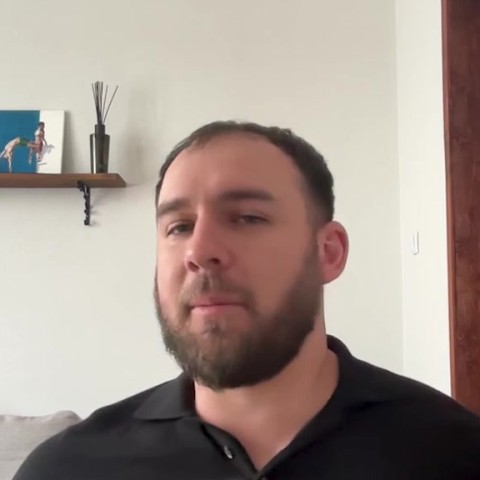 Boris LefterovCEO & Founder
Reading that book, going through this whole master's program, realized I can work on a thousand hotels in my lifetime, and I can own 200 hotels in my lifetime.
Transcript
Click a timecode to watch from that moment.
07:11Who is your family, and what kind of hotels and where?
19
the Future of HospitalityYes. Career? Or you you and and you moved to okay. I'm gonna switch Yeah. To the hotels. Yeah. Your family Yeah. Had hotels, and you worked there. Tell me a bit more about that, your family. Who is your family, and what kind of hotels and where?
Boris LefterovYeah. So my father took my mother studied hotel business back in Soviet Bulgaria, so it was, like, in the nineteen seventies. She graduated 1975, 1978. She graduated from tourism high school at Technicom. That's how they call it. It's, like, where you the Technicom high school where you study industries and business and and how in different news. That was like a Soviet structure back in before 1989. So and my father was in the construction. So he was going to Iraq before the Gulf War. He was going to Iraq to work on the on the piping in the in Baghdad, and he was a lot into that construction side. And my father my mother was working in in hotels.
Boris LefterovSo 1989 comes, Soviet Union is gone. Bulgaria is a democracy now. Nobody knows what to do, and they start my father opens up his own company. He's in '32 or '35 for that time. He's opening his own construction company. And my mother starts helping him and working with him, and she she also opens up a small, like, men's men's fashion store. And she was making so a lot of, like, entrepreneurship back in that day, in the nineties, early nineties. And so they were, like, my age now, and they were going through the these complete change of system. You're in your thirties, and you know the Soviet style communism of of of work and and and business and everything. And then you have to take it on your own. And it was I'm I can only imagine what it is to to have this change of system in in my age now. It was probably a complete show, but they managed to go through that. And they had a very successful business because they were one of the few construction companies at that time in Bulgaria.
Boris LefterovAnd a lot of cash and capital started coming out from whoever knows where. That's like the the the the foggy nineties in the Balkans in the Eastern Europe. So most free capital starts pouring into real estate. And being one of the few construction companies in my city, on the Black Sea Coast, I mean, you didn't didn't have much competition being a good construction engineer and and knowing your business and people respecting you for what you've done. And it was very good for them. And in 2001, we opened our first boutique hotel in my city. It was actually the first boutique hotel in my in my hometown in Burgas.
the Future of HospitalityIt was called Plaza What's the name of the what's the name of the town? Burgas.
Boris LefterovYes. Yes. That's on the on the coast. It's on the coast. Yeah. It's on The Black Sea Coast. Alright. South. It's like you have Varna and then you have Burgas. It's a Okay. Yep. Yeah. Varna is North. Burgas is South. Yeah. I know Varna. We we mentioned it before indeed. Yeah. Varna, I've been there. And Yeah. So okay. Yeah. And so one thing to another, then we did a hotel in Sunny Beach, quite a famous resort in Europe. And then it was like an apart hotel. We also did villas. We did seven very luxury boutique villas close to Sunny Beach in the mountain with a Mhmm. Amazing sea view with the forest, and it was a it's gorgeous.
Boris LefterovAnd I can say there was, like, a concept of a branded residences at that time because we were we were not selling them, but we were managing them as well. So back in 2004, we were very proactive, and we're pushing new concepts on the market back in that day. And then 2006, we do our hotel, the the the latest, the biggest hotel or the biggest property which we still own called The Cliff. And it was like a massive development. You have 90 apartments, four buildings, a boutique luxury hotel, 39 rooms. And then two thousand eight crisis comes. And, again, then an extremely tough period. I remember that period perfectly well because I was 13, 14, something like that back then. So I was already seeing and understanding what's going on.
Boris LefterovBut still, they managed to go through that. And, yeah, I was working some of the summers in our city hotel. I was a waiter. Did not do a good job at that time. I was Uh-huh. Going in late. I was the I was the son of the owner doing doing my summer kinda work to get my product ish. I I I didn't understand absolutely anything about this job. I was not good at it. I I remember playing audio slave in a lifestyle boutique hotel. Like, I was playing Chris Carnell during, like, during the day because I don't like that music. So I was trying to push that. And it was, like, complete I mean, I didn't know what I was doing. And then, again, started with music at that time. And before I leave the country, I had to make some money because we were not making that much money with with the music band. So I started working with my father for my father in our apartment hotel. So I was, like, managing the whole property and dealing with owners of apartments and tourists and maintenance and housekeeping and parking and all of that stuff for a whole summer. And then I I left and I like I said, I did not think I would do hotels until I saw an open day event of of Glion London. They just opened a new campus. It's a Swiss school, part of Summit now, a Swiss hospitality school.
Boris LefterovSo I'm in London. I'm in my student housing. I'm wondering what to do with my life, and I'm thinking of hospitality, hotels. Alright? I I was into sports quite a lot. So first, I was thinking of, let's do a course for massage therapists. Because I like going to massages. I I know my body quite well. I've been working out. I know where the pain points are. I know what a a athlete needs. So I was very keen on doing massage. But I was thinking of I I can't imagine telling my parents that I'm gonna be a masseur, like a masseur. A massage therapist. Yeah. Why not?
Boris LefterovWhy not? I mean, come on. Yeah. Yeah. No. I I I still think it's a super attractive thing that I would probably Yeah. To complete. You know, I would always go there because I think I'm good at it, and I would do a course one day maybe. But I saw a net on open day, which is like you go to the campus, they show you around, they tell you they tell you about the the the program and everything. So I went to Gleona, went to the open day, they just opened in London. Ten years later, I would graduate. No. Not five, six, seven years actually, seven years later, I would graduate the same campus, actually, like, years ago. I didn't know at that time it was gonna be happening.
Boris LefterovSo I went there. It was so expensive. It was very expensive for a bachelor. But then the people there, the recruiters told me about, you know, there is this place called Marbella. I to be honest, I never heard of Marbella back at at at that time. Yeah. No. No. I was like, I didn't care about that's fame. I mean, that's Yeah. Yeah. I did the other one. The most famous. Yeah. Exactly. Exactly. I didn't care about tourism. I was not into that stuff. So I was like, Marbella, never heard of it. What is that? I just saw palm trees and sea and studying hotels. I was like, okay. And the price was half from London.
Boris LefterovSo sounds like I'm going to Marbella. And I took that shift, of course. My parents were like, well, are you sure? Really wanna do hotels? Are you sure you wanna you don't like hotels? I mean, again, I had to go over that as well. I mean, first, was Right. Right. If you wanna do music, why would you wouldn't you do, like, do something else? Don't do music. And I was like, don't do hotels. Do something else. What every young guy and girl goes in the when he's deciding what to do with her within five. So I I went to Marban. That's where I spent, like, four years studying hotel management and doing internships in The Netherlands, in The UK, in Portugal.
the Future of HospitalityAnd it was it was something that I was like, okay. This is this is what I wanna do. Because So you start what what was the moment that you realized you started to like it? Because you didn't like it first, and Yeah. Yeah. This whole journey Yeah. Yeah. You were trying to avoid it, and you were what I'm hearing is you were trying to find yourself. Yeah.
Boris LefterovFound yourself in Marbella of all places, beautiful city on the coast. Missed Mediterranean Sea. I missed something in the process. When I was deciding if I should study that, there was this reception academy in London. So ex front office and hotel guys did a academy where they were teaching reception management and reception operations, front of house operations. I mean, it was full. It was packed. So I decided, like, there is this four week program where I go every day of the week, and eight for six, seven hours, we study front of house operations. Check-in, check out, picking on the phone, upselling, stuff like that. They're ex huge. So I was like, I did an agreement with my friends. Like, okay. Let's do that course. And if I like it, then we sign up, and I will do hotels.
Boris LefterovDay one, I instantly loved it. Why? Because there was a structure. There was a process. There was communication. It was challenging. It was tricky. You had to learn by the rules and be flexible and, at the same time, keep the rules and be flexible with them and communicate with people. And you wear a suit. Everybody's clean. Everybody's clean the shit. That was what it was like. There was an attitude towards it, and there was a hierarchy. And you know you have a leader. You know you have teammates. You know you know what you need to do. And you know you have you know you're backed up by your team and your leader and everything. This was something that I was missing in the music industry.
Boris LefterovAnd Uh-huh. We saw it, and I was like,
the Future of Hospitalitysure. Okay. You could have gone gone you could have gone to the military.
Boris LefterovYeah. Well, yeah. I mean, many people don't like don't like it when I do references to a military structure, but I think it's very similar. It's Yeah. Mean It is similar. Indeed. Mentality. They're like, oh, no. We are hospital. We that's a military is aggressive. Yeah. I get it where you're coming from, but the whole structure and the whole teamwork and communication and style of back of house communication and organization, that's pure military. It is. It's very structured. Yeah. Exactly. And this was something like a young guy who's been all over the place. I've never been in trouble, but at the same time, I have this energy. I wanna put it somewhere, and that industry put me in the right place.
Boris LefterovI know and I saw I was very good at it because I was disciplined. And I saw that people were not that disciplined, and they were not remembering what they do. They didn't remember operating procedures, and and I was very good at it. I know I have to serve the people, and I know I have to do these things to provide a good service. Easy. Done. I'll do that, and I'll be better than anybody else. And I I mean, I did it, and I loved it. And, course, there were better people than me, but, again, I it was feeling good for myself. And then I decided to move with with
20:03What did you do after that?
19
the Future of HospitalityLa Roche and move to Marbella. So that that little tiny four week course actually switched it on. Change your life. It it changed your the course and it changed your life. Exactly. So move move forward from that. What did you do after that?
Boris LefterovSo I did my bachelor's in three years. We did some internships. I was in operations. I always wanted to work in small boutique hotels. I just love lifestyle hotels. I love design hotels. I love properties with very strong identity and and flexibility. And I was looking only I was going at the small luxury hotel's website, and I was just picking up hotels and sending CVs for my internships. I didn't use the career office because the career office was mainly F and B and big brands, Hilton, Marriott's, whatever. But I wanted that boutique feel, and I wanted that boutique experience. So I managed to find some. I was working at the Dylan in Amsterdam for Uh-huh. Couple of like, two months ish.
the Future of HospitalityUnfortunately, I had to the corner from my front door.
Boris LefterovAmazing. I this Yeah. I love Amsterdam, and not for the obvious reasons, but I just love the lifestyle of Amsterdam.
the Future of HospitalityYeah. The island is very, very, very beautiful located on the canal. I think it's on the Kaiserschauth of here. Kaiserschauth. Sure. Yeah. Yeah. Kaiserschauth. Yeah. And I I love how they have the entrance. Exactly. That court little courtyard. Yeah. And all the wooden and wooden and glass. I mean and and and and the back garden, also beautiful. Amazing.
Boris LefterovYes. I think it was called the bar.
the Future of HospitalityAnd Yeah. The bar. Ugh. Yeah. Amazing.
Boris LefterovIt was like a dream come true for me. I was a housekeeping supervisor working working directly with a housekeeping manager. It was like a dream come true. I was living in a very nice area, but, unfortunately, I had to cut it short because of my classmates who are also my roommates. They found another job, so we had to leave the apartment and, you know, perfectly well how hard it is to find an apartment in two weeks in Amsterdam. And I was getting paid quite the low amount, so I couldn't afford getting my own apartment. And they wouldn't let me because I was single, and I was just for, like, four months.
Boris LefterovSo, unfortunately, that it was just it was a very sad moment for my my my hotel career because I had to leave the Dylan. I wanted to do my full six months there, But I I learned a lot. So but after that, I went to another amazing great property called the Grand Eastbourne in The UK. It's a it's a hotel that opened in 1875. It was built as a hotel. And since day one, it never closed. I think during the the second World War, Churchill used it for headquarters for the invasion on the on the d day, and it was, like, there because it's on Eastbourne is where the White 7 Sisters Cliffs are and all the the Royal Air Force was White Cliffs. Exactly.
Boris LefterovExactly. And there was, like, a military headquarters for Churchill, the hotel. So Charlie Chaplin was there. A lot of royalties were going there. And it was still it's part of the elite hotel group, I think it is still called, and it's still working. It's still operational. And I was there working the F and B. And during that time, I was watching this Spanish series called Grand Hotel. I don't know if you've seen it. It's basically a guy who starts working in this grand hotel in the late nineteenth century. So Okay. Watching that series and working in the absolutely similar property and seeing all these images and all these drawings of of hotel guests from late nineteenth century and working in the same dinner hall a hundred years later and me being part of that team in history, it's it was, again, a second dream come true for me back in the day. Yeah. So I did that for a couple of weeks, a couple of months, sorry, and F and B did the lounge, did the restaurant, did room service, learned a lot about F and B operations.
Boris LefterovDefinitely very useful experience for me. And then my last my last internship was in another amazing very boutique property called San Verida Palazzo Santa Catarina in Lisbon. So it's a 10 room property. Extremely boutique. It was like the development was €1,200,000 per key, which was one of the most expensive properties in hotels in Lisbon being developed, and it was it took them eight years to do it. Oh, wow. Okay. What's the name of that place? I'm gonna write it down. I'm gonna butcher the name, but it's called Veride Verite Palazzo Santa Catarina.
the Future of HospitalityIt's in Palazzo Santa Catarina.
Boris LefterovSanta Catarina. Yeah. I'm I'm very bad at That's alright.
the Future of HospitalityI mean, you're learning. Yeah. But but
Boris Lefterovyeah. So I did there. I I was guest relations there. In Lisbon. Did it. Yeah. But it was, like, so slow because there were just 10 rooms. But Robert De Niro was there, and Mel was doing their workshops and and doing doing team buildings there with their Portuguese teams. And it was, like, super high network people staying there, super famous people staying there. And it was guest relations. I was checking the rooms. But, again, spent two months there because it was very slow. And then I was like, okay. I'm ready to go home. Did my internship in I continued my internship to get my bachelor's in Hilton Sofia. So I from very boutique, super luxury, ultra luxury property, I moved to a corporate hotel, Hilton Sofia.
Boris LefterovAnd, again, for me, it was amazing because, I mean, Bulgaria did not back in back at that time, in my mind, Bulgaria was not the place to work in luxury hotels, in luxury hospitality. So I was like, what I'm gonna learn in Bulgaria, I know we have our properties, but I still need that experience before I jump into my family business. I did Hilton, and I stayed for two years almost. Oh, wow. Okay. Is, like, ways is there. Because everybody was speaking in English, all the operations and back of house was in English. There was a structure. There was discipline, constant trainings. I was front front office, and I learned so much about front office operations.
Boris LefterovAnd they promoted me to develop their guest relations depart like, service. They used to have it, but the guy quit, and they didn't have it for a couple of years. And then back in that time, the GM was Christoph Feizer, who's currently the GM of Hilton Vienna, one of the Hilton's in Vienna. I I really it was amazing during his time there, and we worked very well together. He helped me a lot, actually. So hi to Christoph if he ends up watching this. He was a great leader. And then and he believed in me, and the whole team believed in me. And we I developed the all the procedures for pre pre arrival, post departure, and during this day, communication with guests and being proactive with the guests and upselling them and giving them more services and trying to understand what how they are like and trying to get more information and work and develop the CRM and to make it more personalized just a and it worked quite well. We increased our scores and and feedback scores with, two points, which was they That's a nice one. That's the that's the reason they they got in there. That's the reason why that was the goal. And we managed to do it in less than a year.
Boris LefterovAnd then COVID. COVID came, but two weeks before it was announced that there's gonna be this pandemic and there's gonna be a lockdown, I already submitted my resignation letter because I decided, okay. It's time to go to my business. It's time for me to learn to manage my family business. I send the letter. I probably give them the letter, and literally two weeks later, lockdown. COVID was still, like oh, there there might be a lockdown. It might not be, but who cares? It's not that serious. We have five, six, ten, fifteen cases in Bulgaria, nothing too dramatic. And boom. In one week, everything was March.
Boris LefterovEverything just closed, and I was like, okay. I'm I'm leaving, guys. And I left two weeks earlier. And then that's the next chapter of my life, then I started managing my family property for the The Cliff. I moved to The Cliff and which is a summer property. Alright. Yeah. Yeah.
29:43Can you tell me more about that?
32
the Future of HospitalityThat's the whole story. And I can tell that you get passionate and excited about quality, high level service. Yeah. And yeah. Perth yeah. The the the human touch, that's that's that's so let me move forward to Normante Hospitality. Can you tell me more about that?
Boris LefterovYeah. So Normante Hospitality is my company. I founded that company officially last year. And what we do with it is a hotel development, and I would like to say hospitality real estate, but we also work with a lot of mixed use developments, like we did a marina. So, basically, what we do is we do feasibility studies. We do concept development. Currently, we're working on a project with a revenue manager where we're trying to help a very boutique design property to improve their revenue and bring more money to to the property and teach them about revenue management and create some tools that they can use to optimize their revenue.
Boris LefterovAnd, basically, is a collective of different experts in the hospitality field from finance investment, architecture, design, graphic design, branding, revenue, hotel operations, definitely operations. And I'm just trying to adapt to what the market needs. So how I've how I end up opening up my opening up my company is that after my time in at the cliff of my family business and working three years during COVID, which was a complete hell, It was the second time in my life that I was like, okay. What am I gonna do with my life? Because I hate it's it's not working. Something's not right and too much stress. I'm burning out every season.
Boris LefterovNo predictability again. No staff. It's something's broken. And I decided, okay. I'm not good with numbers. I'm not good with finance. Let's study finance. Okay. This is what I'm lacking. So I don't know how to do that. I I I own a business, but I don't understand investments. Even though I studied in in in my bachelor's, I still didn't get how it works. And especially how it works in the family business is completely different from a corporate world. With a family owned mom and pop property, it's completely different way of doing business. So I decided I I will study finance. So I was looking at finance majors for my master's.
Boris LefterovAnd then Glion, which is a sister school of Laroche, they're part of Summit Education Group now. They they have this amazing master's program called real estate real estate finance and hotel development. And, basically, there, you study commercial real estate. You study how hotels are developed. You learn about HMAs. You learn about feasibility studies and finance and asset management. And it was a it was a very intense program, like, nine, ten months program where you really dig deep into numbers. And the good part was that you didn't have you didn't need to have any background in finance or accounting to in order to sign up there.
Boris LefterovIt was intense. I it was very intense. But because I was going through a lot of stuff and I was very tired of all the COVID situation, it was probably the first and the not the first, but the last time I was thinking of that time. It's gonna be the last time in my life where I'm almost, like, reaching 30 years of age. And I will have six months where nobody's depending on me. No kids, no wife, no girlfriend, no parents, no business, no staff. I'm I'm I'm, like, I'm back in high school. I'm back in high school. Six months. And I don't know what I'm gonna do with this major. I don't know how I'm gonna work and where I'm gonna work, and I didn't know how hotel investments work at all.
Boris LefterovAnd I was I said to myself, you know what? Take it easy, relax, and just explore. See what you're studying in your in your see how the lectures go, see the information, and it's gonna click. And I decided to change the process, so I just gave up on everything. I was like, I am this is gonna be the last time in my life where I'm not planning anything, and I'm not gonna know what I'm gonna do in the next six, seven, eight months. I don't care. I'm just gonna enjoy the moment. And it did it happened the way I thought it was gonna happen. It just clicked what I wanna do.
Boris LefterovAnd I spent the semester there, I I decided that it was it was super funny because I was telling my classmates, like, guys, I'm gonna open up my own company in Bulgaria, I'm gonna do hotel asset management, and we're gonna be doing financial advisory and and operational advisory in Bulgaria, and this is what I'm gonna do. And I started exploring stuff. I was spending a lot of time in the library, learning and studying accounting. And there's this amazing book called Hotel Asset Management, and I I just ate it up. I ate it in one month. I went to the library, took it out, and just, like, ate the whole book.
Boris LefterovAnd it was just blew my mind, and I realized, wait a minute. I was thinking that my family and my with my family capital in this property, I might have just one more hotel in my lifetime. Reading that book, going through this whole master's program, realized I can work on a thousand hotels in my lifetime, and I can own 200 hotels in my lifetime. And I can do it simultaneously. That was, like, another breakthrough moment for myself and be like, okay. This is what I wanna do. This is where I'm headed. And I did this I'm impressed by myself, kinda, because I I I I decided to compare because I was going back home. So I decided to compare the market, London and the whole global hotel investment market, to compare it to Bulgaria. Right?
Boris LefterovAnd I went on LinkedIn. I fixed up my profile. I didn't use LinkedIn before that. It was for me, was, like, super dry stuff and people just bragging about their careers and stuff. That's far from the truth. So I believe it's like that, but I'm part of the game now. So I I decided to go on LinkedIn, fixed up my profile, and then I looked up hoteliers in my home country. And I sent I drafted a message, which was like, hey. This is what I do. This is what I've studied. I'm going back to Bulgaria in couple of months. I just wanna figure out how things are there and if you're doing some of the things that people are doing here and then studying about benchmarking, revenue management, feasibility studies, and project development, and hotel development, and stuff like that. I just wanted to figure out and put into context what I'm studying and to compare it in my country.
Boris LefterovMhmm. I sent 300 messages. I I have them counted. It was, like, between two eighty and three hundred messages to 300 people. I got a 100 replies, and I still look at my calendar because I was scheduling the calls. And they were like, most of the people are like, oh, sure. Let's talk. It was it's nice to see what you're doing, and you're a gay guy, and I wanna see what you're doing. And even people that I thought that I wouldn't like because they work in properties that I don't like because of their concept and the way they communicate, but I was like, okay. Let's not judge.
the Future of HospitalityLet's let's explore that. Let's Go in there with an open mind. You know? Exactly.
Boris LefterovRight. And it happened exactly what I thought it would happen, and people turned out to be great, and they helped me a lot. And I what I did was, like, this this very intense one month research, and I realized all the massive gaps in my home country, like, the hotel business. And I realized why it's not that developed. I realized how I mean, you have amazing hotels and you have an insane amount of investments going into hotel business in in Bulgaria, but it was lacking structure. It was lacking market research. It was nobody was submitting data, and you don't have any data to benchmark. And it was, like, something absolutely crazy for me because people where I'm studying that in London have been doing it for the past fifth past fifty, sixty years.
Boris LefterovYeah. Whereas in Bulgaria, it's a complete unknown. It's a complete darkness when it comes to data. And for me, was, like, blowing my mind how people were investing without even doing feasibility studies. They just wake up one day. They have the capital, and they decide, I'm gonna do a hotel because it sounds cool. And I and I got that with almost 150 interviews that I did. And I realized that from operations to investment, and I was speaking with asset managers. I was speaking with investors. I was speaking with hotel managers, operators, big brands, small brands, boutique, independent. And so I got this massive data on how the what the situation in the market is. And I was and then I was like, okay. I guess I guess that's where I'm going to.
Boris LefterovAnd I found that there is an office of Kushmania Wakefield in Bulgaria. So I applied at Kaspani Wakefield. I did my interviews while while I was studying my master's. I graduated and did my six months in Kaspani Wakefield in Bulgaria. And, again, that's where I saw even more issues with the market itself and and the way they the investors perceive and understand hotel investments. And it was like this massive huge gap for me to just dive in and jump into it. And at that time, the project for Noble came up because my brother is already doing that abroad. I worked with my brother. Well, looks like my brother, who worked he's part of the development of the Svarth Sixth Svarth Hotel in in Norway.
Boris LefterovAnd so we we work with him, and there were a couple of projects that I had to do the feasibilities for and do the business planning and the concept for them. And I was helping him and learning from him and learning from an actual project. And while I was wrapping up my time at Kushman in Wakefield, Noble project came up. And my brother took it on, and I was assisting my brother in the whole finding the operator, communicating with the Noble team and the HMA agreement and the the the management agreement and and the whole feasibility and the communication with the brand and the and and the investor and the whole process, and that learned so much through that process. And then I opened up my company. And since since then, we did over $4,450,000,000 of investments, like analysis on that value of assets.
Boris LefterovAnd prime prime real estate, which was absolutely insane for me that in that short span and of the time, I I managed to do really good real estate, prime real estate in in the capital city for massive investments over 100 millions of euros in Bulgaria. And and and I know why why we managed to do that. It's just the way we understand the market and the way we're looking outside of the numbers. We're not only concentrating on the numbers. We're looking at the really, who's gonna be joining the product, how are they gonna feel inside the project project, and how it's gonna work better, what's gonna be better for the investment in the market as of now? And it was a it it it was amazing period. I still I'm still, like, again, another dream come true thing happening,
the Future of Hospitalityand it was, like, manifesting or whatever it is. It's just Well, it's you you do it from the heart. I mean, I'm I'm listening, and and everyone who's listening, this is an amazing journey, and you just you you just keep listening to yourself. And Yeah. And that's where you see opportunities, and you see what's lacking and what can be improved in in comparison to where you've been, like in London. And you and and can you tell me can you give me an example? You just mentioned Norway, but closer to home, Sofia. Yeah. An an example of what you achieved with Normante Hospitality?
Boris LefterovSo what what we achieved, we already have in the past twelve months, we already have seven projects behind our back, and we did amazing marina a new marina development that it's yet to be announced. The Black Sea Coast, massive luxury, super nice development with a marina, with restaurants, with a hotel, with residential parts. So we did that. We're working with one of the shopping malls here, one of the big and old shopping malls here in Bulgaria where we're developing one of their new hospitality kinda corners where we're trying to integrate lifestyle, hospitality experience inside the shopping mall. And, again, most of the projects are we didn't know we don't really know how to do that, but we know the basics of it, so let's explore.
Boris LefterovAnd the funny thing that what I love about the clients that we have is that they also don't know, and they're curious, and they don't they cannot find people without expertise in Bulgaria. But because we have we we're coming from hospitality and we're a little bit more we're not the big four. We're not that corporate. We're more flexible. We're more creative and having good contacts as well, and we have that experience coming from abroad. They believe us. They they trust us, and Yeah. We are very diligent in our process. We're communicating. We're teaching them. We're not I don't like to call myself a consultant even though we do some kind of, like, work like that. But the way we do it is we really teach how the people on the in the side on on the side can do it, like the team who's working the property or the investor. We educate them as well. Like, we're exploring with them alongside, and we're trying to figure out, okay. This is how it's working. This is what's happening abroad.
Boris LefterovThis is the actual financial structure, how it works. This is the operations, how it might work and look. Do you see it happening? How would that fit in your retail management structure and your financials? Like and and and they understand that, and they and they like it because we're very open and very clear about it. We don't pretend to be something that we know at all. No. But we do our job. We we work in research a lot, and we really try to put it in context. It's not just blah blah blah. Maybe the maybe you you said I'm not a consultant,
the Future of Hospitalitybut maybe you could call yourself like a hospitality architect.
Boris LefterovYeah. Exactly. It's like this advisory word that that an architect is in it's a my brother's an architect. Oh, is he? Oh, yeah. That's a coincidence. Yeah. Yeah. I wouldn't go as a architect. I like the idea behind it. But, yeah, it it it is that. It is that. It is really building the like I said, I I'm a very simple guy, and I really like to understand
the Future of Hospitalitywhat's the core of the things. What's You're grounded. You're the not simple. You're a a down to earth grounded guy. And it's it's it's a a bootstrap story, what I'm hearing, and and and it is really inspiring. Thank you for sharing that. What is the goal of Normante Hospitality
Boris Lefterovfrom from this moment on? Yes. So what we're working on currently is we're increasing the team. We might rebrand it and and we're trying to build this collective of we're already in the works of it. We're already having the work meetings, and we are organizing all the services and the the way we're gonna approach the market and approach some projects. We're building a team of branding studio, of an architectural studio, revenue management, hotel ops, like I said. But now we're gonna make it actual actual structure behind it. And we want to help investors who are not they're not they have no zero background in that industry, but have the capital.
Boris LefterovAnd there's a lot of this happening in Bulgaria, and we need to they just come and we do the whole work for them. We from the concept development, best of use of that building that they have for the land that they just bought or they're thinking of buying to what's the vision, what's the branding, what's the target market, what's the actual what's gonna be the market performance, and what's gonna be the whole feasibility, the due diligence, the the the the architecture, the interior design, finding an operator if that fits the the the concept. And but it's gonna be that team of of of companies that already have the track record. Because what I'm seeing is a lot of investors in Bulgaria, instead of finding companies like ours, they immediately go to an architect, and they say, do my business. You know? I have this building or I have this land. Build me a hotel.
Boris LefterovAnd then the issues that we hit he's seeing here is that the architect, he's not a finance guy. They're they're they they do completely different work. And, of course, they're gonna draw you the building and say, okay. You have these type of hotels right next to you. You want something like that, or you've been to Bali and you wanna do a Bali hotel in Bulgaria? It it exists. I don't know if it exists. Yeah. Yeah. But what is it? And then that's where the conflicts come up, and that's why you have projects that don't work well because they don't have any business logic behind it. No feasibility behind it.
Boris LefterovAnd and they they just do it. They don't go to banking. They don't use leverage, most of them, so they don't use any financing. And it's it's something that that's where we wanna be and be the trusted partner for an investor to lead him through the whole process to not make stupid mistakes that will cost him literally millions, millions and millions. And Alright. This is the one thing, and the other thing is that we're on the works of setting up an investment company as well. So all that all know how, all that experience that we're getting here. We'll definitely be looking into in the next twelve months to be also an investor and to manage investments and to actually be an owner and be whatever equity we can put in and be part of the whole structure of a of a of a company of a of a hotel investment or any other hospitality investment being spa or restaurants or or hotel investment, doesn't matter. Everything hospitality, real estate, we wanna be in there and have a share in that business as well. And we're also doing that, and I'm trying to explain to my partners how it works, how it would look like. And I think it's gonna be an amazing thing, and and that's the next step for us definitely. And I see it as a I don't have any other choice. I don't like this consultancy work and being dependent on, again, someone to realize they need our services. I prefer to have complete control
the Future of Hospitalityover that income and cost. Say is keep following your heart because until now, you've done the good done the right thing. And it's a very dynamic space that you're operating in, and there's so much to improve. Yeah. And I think you're right on target when it comes to that.
Boris LefterovYeah. Yeah. Wonderful. Alright.
the Future of HospitalityBoris, thank you so much for sharing your story. It it was a little longer than than we we anticipated, but that's okay. You had a lot to share. And, again, super super inspiring. And I will talk to you later. But for now, thank you for being on our show. Thank you for sharing everything,
Boris Lefterovand we'll see you next time. Thank you for your work. Thank you for your work.