Alternative payment methods in travel: why Gen Z books on trust
Alon Shkuri · 19 Oct 2026 · 6 MIN READ
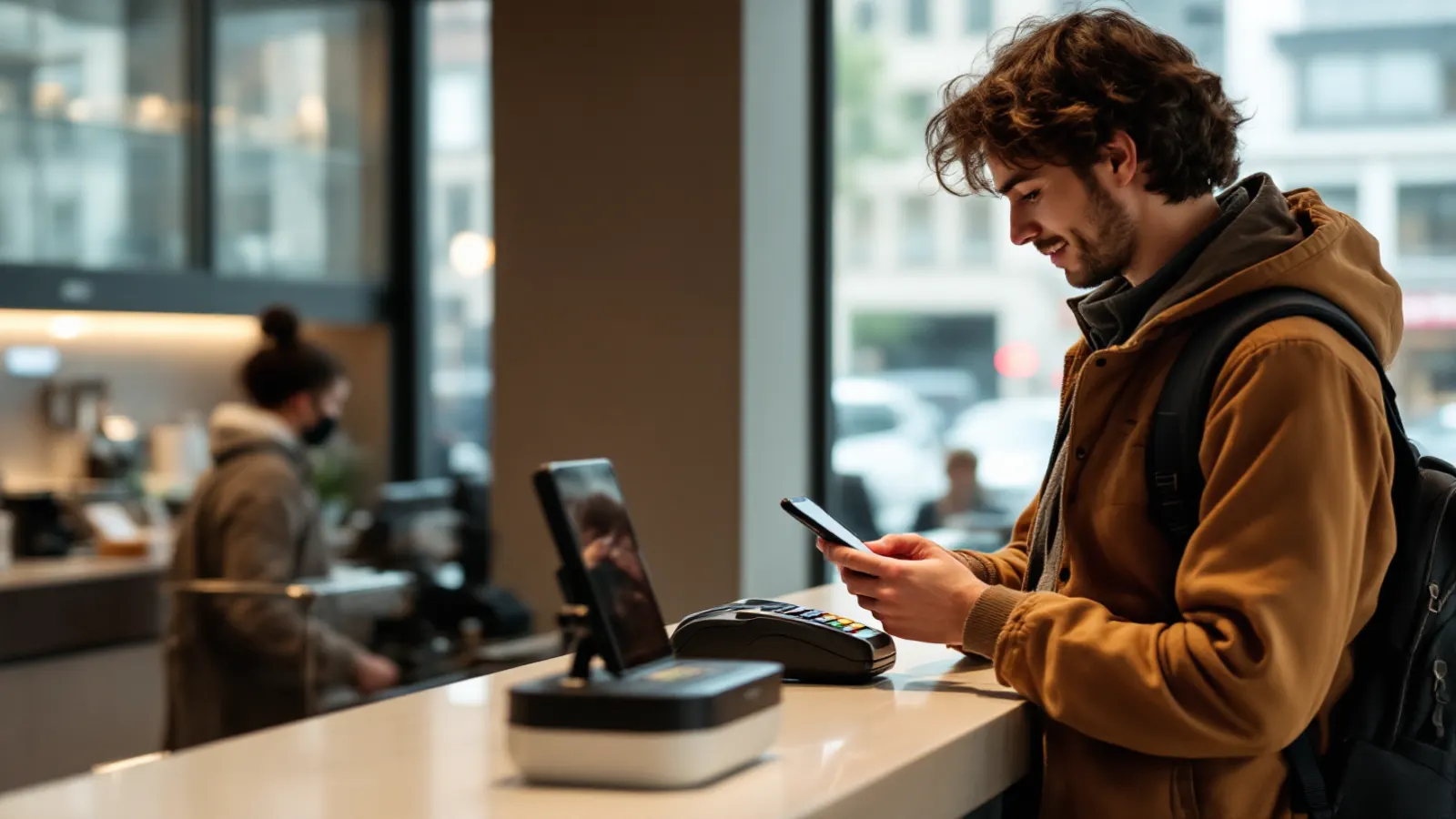
Do alternative payment methods really change how people book travel, or are they just another logo at checkout? For anyone who sells flights, stays or experiences online, the question reaches further than payment. It touches pricing, trust and the way younger travelers decide where to book.
Alex Yardley, CEO of Fly Fairly, has worked in travel for more than two decades. His company calls itself a payments-first OTA: it offers more than 100 ways to pay for flights, from buy now, pay later to crypto, and promises that the price you see is the price you pay.
Why trust comes before conversion in online travel
Online travel platforms are extremely good at one thing, in Alex's view: building funnels that convert. The question is who that funnel serves.
“Their entire website is really optimized for conversion, for upsells, with behavioral urgency triggers, all of these things that drive these incredibly powerful converting funnels, but it solves for conversion, doesn't solve for the customer.”
Alex Yardley, 4:20
For a challenger brand nobody has heard of, he argues, that model does not work. The audience he targets puts trust first, and he says 62 percent of flights are now bought by millennials and Gen Z. Hotels meet the same generation as employees, where managing gen Z hotel staff calls for its own approach. So his company built its core promise around fairness: no surcharges at checkout and one consistent approach to pricing across every market.
The real cost of a surprise at checkout
A hidden fee does more damage than its size suggests. Alex describes an example from the market. A platform shows attractive teaser rates through the funnel. The traveler picks a flight, enters their name and passport details, selects a seat, and invests around 15 minutes. Then, at payment, a 26 percent surcharge appears. The customer has done all the work and is punished at the final step.
Part of the issue is that consumer protection differs by country. In the UK, he points out, payment surcharges are illegal. In markets without that rule, platforms that optimize for profit and conversion can be more opaque. His company chose the same transparent standard everywhere, because for a challenger brand nothing sinks you faster than breaking trust.
“Trust is a very fragile thing, right? So think once it's broken, it's very difficult for users to return.”
Alex Yardley, 17:00
User research on the platform backed this up. Among younger travelers, the number one complaint was a lack of trust in booking platforms because of hidden fees and taxes that were not shown until late. Travel makes this worse: people often pay large amounts weeks or months before the trip, so the trust has to be there before anything is delivered.
How alternative payment methods change traveler behavior
The second lever is choice at checkout, with alternative payment methods ranging from buy now, pay later and crypto to a long tail of local options. Alex explains that credit cards carry friction. They are hard to get for younger people without a credit history, and many people know someone who ended up in a debt trap. He sees a real mistrust of traditional financial institutions among Gen Z, and he presents buy now, pay later as a clearer form of lending: a deposit up front, then the balance in four installments, typically every two weeks.
On his platform, travelers who pay with alternative methods, whether crypto or buy now, pay later, book about 35 percent more frequently and spend about 25 percent more per booking. Flights have very tight margins, which limits the payment options most sellers can afford, so the company deliberately went after the long tail of local payment options to stand out. The main points:
- Cards create friction for travelers without a credit history.
- Buy now, pay later makes affordability visible: deposit, installments, total.
- Travelers who pay in alternative ways book more often and spend more per booking.
- A wide range of local options helps a newcomer carve out a niche in a mature market.
Transparency without a data dump
Being transparent does not mean showing everything at once. The product team describes it as surfacing the right detail at the right moment, in clean design. They picture a stressed parent booking a family holiday, who should not hit a wall of legal text at the last step. In practice that comes down to a few choices:
- Show the total price early, with no fees added at payment.
- Move the affordability details of buy now, pay later further up the funnel, so people see what their installments look like before they reach checkout.
- Put installment counts, total repayment and fees on the same screen as the pay button, not in a separate document.
- Predict what matters to the customer at each moment, so they do not have to look for it.
The reaction, according to Alex, has been overwhelmingly positive. Reviews keep returning to the same point: customers got all the information up front, in a way that was easy to follow.
“Investing in trust and transparency early on is the best marketing team we've never had to pay.”
Alex Yardley, 19:55
Trust also lives in service and reliability
Pricing is only one moment where trust is won or lost. Flights change price constantly, and Alex's platform connects to 650 airlines and close to a thousand companies to keep inventory live. When a supplier goes down, he explains, redundancy switches to another supplier within milliseconds, so the traveler never notices. Hotel sellers face the same question when choosing a hotel booking API.
Customer service is the other half. While many companies move support to AI, his company keeps it human, and everyone who joins does customer service for a number of months. Alex sees it as the best way to understand what customers are actually struggling with. A hotel call center can play that role for a hotel and earn revenue as well. The team adds that when something goes wrong and is put right with empathy, customers remember they were treated fairly, and that is what they share with others.
What hotels and other travel sellers can take from this
The examples come from flights, but the principles apply to anyone who sells stays or experiences online:
- Show the full price early and keep it the same through to payment.
- Offer alternative payment methods so people can pay the way they prefer, and explain the terms where they decide.
- Treat the booking flow as something that serves the guest, not only the conversion rate.
- Keep a human route to help when something goes wrong.
Alex also stresses focus: his company stuck to flights to get the foundation right before adding anything else. You can watch the full conversation for the complete story, or explore more episodes in the Travel Commerce Unfiltered series.
Frequently asked questions
What is transparent travel pricing?
Transparent travel pricing means the price a traveler sees early in the booking flow is the price they pay at checkout. Alex Yardley describes it as showing the total cost up front, with no payment surcharges and no taxes or fees that appear at the last step. His company applies the same approach in every market, including markets where the law does not require it.
Why do hidden fees damage trust so much in travel?
Travel is often paid for weeks or months before the trip, so the traveler already has to extend a lot of trust. According to Alex Yardley, user research on his platform showed that the number one complaint among younger travelers was a lack of trust in platforms because of hidden fees and taxes. Once that trust is broken, he says, it is very difficult to win the customer back.
How do alternative payment methods change booking behavior?
Alex Yardley says that on his platform, travelers who pay with alternative methods such as buy now, pay later or crypto book about 35 percent more frequently and spend about 25 percent more per booking. He links this to lower friction: younger travelers without a credit history can still pay in a way that feels clear and responsible.
How can a booking flow be transparent without overloading the user?
Transparency is not a data dump, according to the team behind the platform. It means surfacing the right detail at the right moment, in clean design. For buy now, pay later, that means showing the number of installments, the total repayment and any fees in the checkout itself, right next to the pay button, instead of behind a long legal document.