Hospitality PR for Nordic Travelers: Why Slow PR Wins
Alon Shkuri · 19 Oct 2026 · 6 MIN READ
Hospitality PR is often treated as a way to get a hotel's name into as many places as possible, as fast as possible. For hotels that want to reach Scandinavian travelers, that approach tends to fall flat. Nordic guests look for connection, nature and authenticity, and the coverage that reaches them is built slowly, through real relationships with journalists and influencers who know the market.
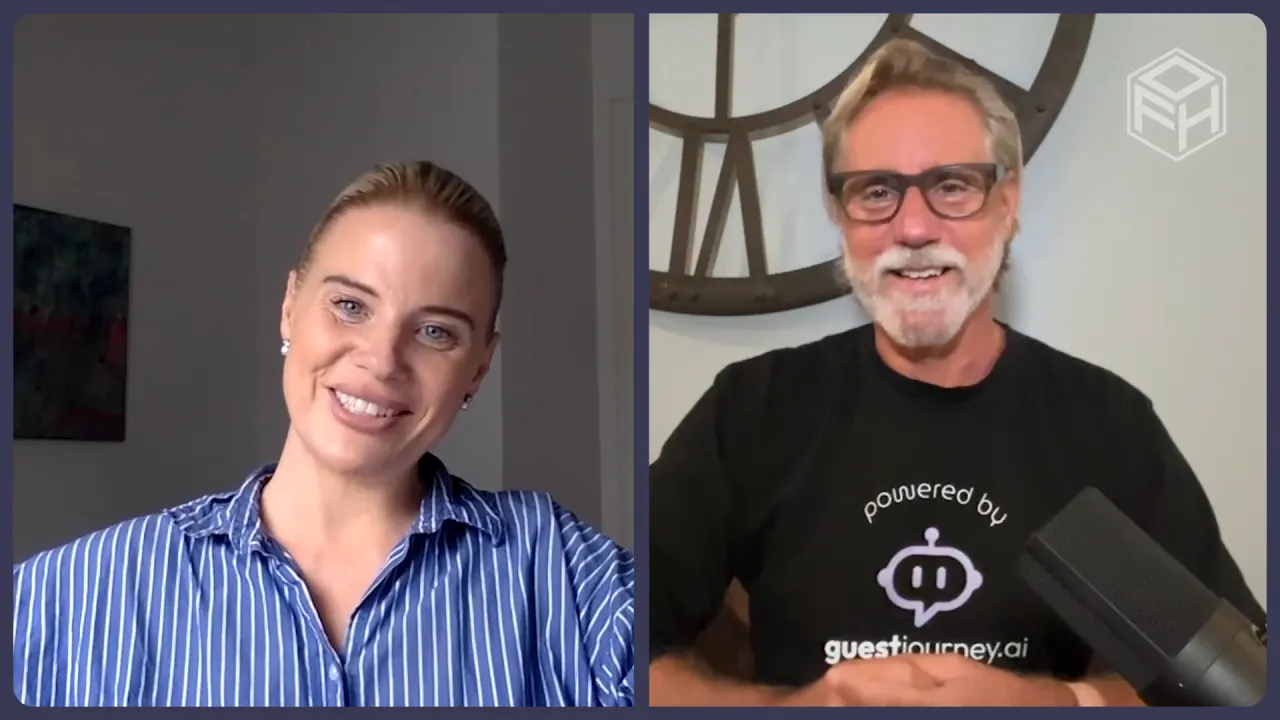
Regitze Cecilie Rosenvinge has worked in hospitality for almost 15 years and founded Rose PR, an agency that places European hotels with Nordic travelers. Based in Copenhagen, she works with freelance PR specialists in cities such as Oslo and Stockholm, people who, in her words, live and breathe the market every day. Her view of what works, and what does not, gives any hotel a practical framework for being seen in Scandinavia.
Why Nordic travelers need a different hospitality PR approach
A generic campaign rarely lands in a market with a clear mindset of its own. In Rosenvinge's experience, Scandinavians love to travel, and what they want from a hotel is connection, authenticity and community. She points to small things that carry a lot of weight, such as a good hotel breakfast, and to bigger themes like nature, sustainability and slow travel.
She also describes a growing movement around quiet luxury: the opposite of loud luxury with gold, opulence and waiters in white suits. In her view, travelers are craving something different, and a hotel can offer far more than a place to sleep.
“It can be a destination for community, a destination for wellness, something deeper with more integrity.”
Regitze Cecilie Rosenvinge, 14:49
For a hotel outside the region, the lesson is to translate its own identity into the values Nordic readers already hold, rather than repeating the message it uses for every other market.
Start with brand identity, then do PR
PR amplifies a story. If there is no clear story, there is nothing to amplify. Rosenvinge sees this as one of the most common mistakes hotels make.
“It's really hard to do PR for a brand that doesn't have a defined brand story or a clear brand identity.”
Regitze Cecilie Rosenvinge, 23:14
She still sees properties, and restaurants too, open with great energy and close after three or four seasons, because people do not understand what they are offering. That is where boutique hotel branding starts: telling the owner's story clearly. A few other points she makes about PR strategy:
- Do not treat PR like advertising. In her view, PR should not be paid promotion, because it builds on trust and authenticity.
- Avoid a one size fits all message. Saying a hotel is for everyone makes it hard for anyone to relate to it; a niche and a specific kind of guest usually work better.
- Do not expect results within a month. PR needs patience and a longer horizon than a campaign.
What slow PR looks like in practice
Rosenvinge calls her method slow PR. It does not mean taking ages over everything. It means choosing depth over volume: fewer clients, each understood properly, instead of a long list of clients there is barely time to serve.
In her process, getting to know a hotel is like getting to know a good friend. Her team spends several days with each new client before any pitching starts. Based on her description, a workable sequence for any hotel or agency looks like this:
- Deep dive on the brand: what it is about and what its brand story is.
- Define who the hotel is trying to attract.
- Decide where to reach them: which outlets, and which journalist or influencer is the right match.
- Adjust the budget and the practical details to fit the plan.
- Connect the right people across Scandinavia and keep telling the good stories.
The opposite is spray pitching: sending a story to as many people as possible just to get it out there. Rosenvinge considers that approach dead. Hospitality PR that lasts, in her view, rests on proper, real connections with journalists and media.
How journalists and influencers turn a hotel into a story
Media people are not just a distribution channel. Rosenvinge works with both journalists and influencers and sees them as central to what she calls strategic storytelling.
“I think that media people, journalists and influencers, because we work with both sides, they're really a powerful amplifier in what I would call strategic storytelling.”
Regitze Cecilie Rosenvinge, 18:26
Her point is that they do not simply talk about a brand; they interpret it through their own lens. Strong hotel room photography gives them the material to do that. That interpretation is what creates an emotional connection between a hotel and the end consumer. Choosing the right journalist or influencer is therefore a strategic decision, not a numbers game.
Good storytelling for hotels, she adds, moves away from rooms and amenities. It creates a sense of longing for a place by describing it almost like a person. It gets personal and emotional: a destination that might help a guest figure out a problem in their life, or become a better person.
From accommodation to destination
The stories that resonate most often come from hotels that are more than accommodation. Rosenvinge describes hotels developing into places where a community meets, with micro bakeries, chefs flown in from other parts of the world, or spaces that work as art shops and community hubs. Guests drawn to these places are, in her experience, willing to pay for more, more open-minded and keen to meet other people. They also stay longer and connect more with the culture they are visiting.
Some hotels make the length of stay part of the story. One property she works with asks guests to stay at least three nights, partly because it sits in the middle of nature and takes time to reach, and partly so guests land and feel grounded instead of rushing around. Her agency also handles PR for a hotel being built in Norway near the polar circle, a project rooted in nature and sustainability. For hospitality PR aimed at Scandinavia, those qualities are the story itself.
Focus and partnerships: lessons for hotels and agencies
Rosenvinge's advice for anyone building a niche in this field is to stay focused. She warns against a world that promises quick money and easy wins, and says good work takes time. She also sees partnerships as a strength: her agency works with other PR agencies instead of treating them as competitors, because in her view everything is a team effort.
For hotels, the same principles apply: a clear identity, a defined audience, patience, and partners who know the market. You can watch the full conversation to hear how she built her agency around these ideas, or explore more episodes in the GoDirect series.
Frequently asked questions
What is hospitality PR?
Hospitality PR is the work of getting a hotel's story told by journalists, media and influencers. In Regitze Cecilie Rosenvinge's view, it should not be paid promotion, because it builds on trust and authenticity. The goal is coverage that creates an emotional connection between the hotel and the traveler, through outlets and voices that match the hotel's audience.
How can a hotel attract Scandinavian travelers?
According to Rosenvinge, a hotel first needs to understand the Nordic mentality. Scandinavian travelers value connection, authenticity, community, nature and slow travel, and many are drawn to quiet luxury rather than opulence. Translating the hotel's identity into those values, and pitching it to the right Nordic journalists and influencers, works better than one generic message for every market.
What is slow PR?
Slow PR is Rosenvinge's term for choosing depth over volume. Her agency takes on fewer clients and spends several days understanding each one: the brand story, the guests it wants to attract and the right outlets. It replaces spray pitching with real, long-term relationships with journalists and influencers. It does not mean working slowly; it means working thoroughly.
What is the most common PR mistake hotels make?
In Rosenvinge's experience, many hotels treat PR like advertising, or start PR without a defined brand story or a clear identity. Without that, media outreach has nothing to amplify and guests do not understand what is on offer. Trying to appeal to everyone is another mistake: a clear niche and a specific kind of guest usually work better.