






















Hotel room photography: how to show a room guests will book
Alon Shkuri · 19 Oct 2026 · 6 MIN READ
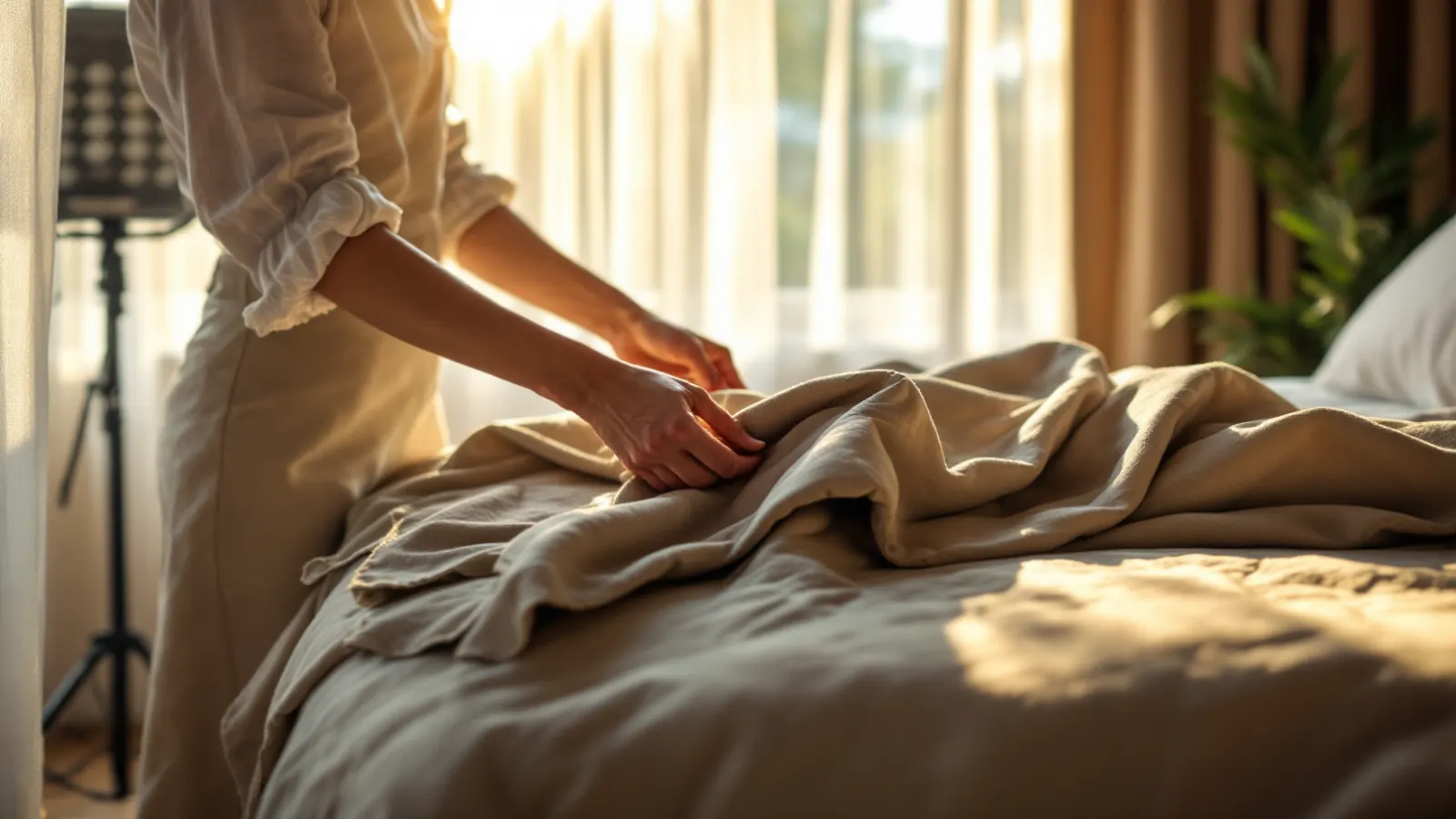
Guests decide on a room long before they arrive, and usually on the strength of a few images. Hotel room photography has to show the space honestly, make it feel inviting and stay true to the brand, all in one frame. That is harder than it sounds, because a camera does not see a room the way a person does.
Gergely Jancsó, hotel photographer and owner of Greg Images, has spent about ten years photographing interiors for brand and independent hotels in Europe and Asia. His way of working holds practical lessons for any hotel that commissions a shoot.
Why a camera struggles with hotel rooms
The first problem is technical. As Jancsó explains it, the human eye sees detail in the highlights and the shadows at the same time, while a camera captures a much narrower dynamic range.
“It's really hard to take the photo and try to cover the dynamic range technically.”
Gergely Jancsó, 9:23
This matters most where the view sells the room. Jancsó points to rooms that are priced higher because they look out over a lake. The image has to show both the bright window and the darker interior in a single shot, or the reason for the higher rate disappears. The lesson for a hotel: tell the photographer which rooms earn their price from the view, so those shots get the extra technical attention.
Preparing the room before the shot
Most of the work in hotel room photography happens before the shutter clicks. Jancsó estimates that moving furniture is about 70 percent of the job. Taking the image is one click and a few flashes, roughly a minute, while preparing the space can take ten, fifteen, twenty minutes or more.
Bedding is the detail he calls the most challenging, because wrinkles are very hard to remove afterwards. His team asks hotels to iron the bedding and brings its own iron to locations. Bouncing the flash off the ceiling helps as well, since lighting the shadows makes any remaining wrinkles less visible. From his approach, a hotel can prepare with a short checklist:
- Iron all bedding in the rooms that will be photographed.
- Expect furniture to be moved and allow time for it.
- Plan a scouting visit the day before the shoot.
- Tell the photographer which rooms, views and spaces matter most commercially.
- If the hotel belongs to a chain, send the brand guidelines in advance.
Jancsó started in wedding photography, and the scouting day is what separates hotel work from weddings in his view. At a wedding everything has to be figured out on the spot. At a hotel, his team scouts one day before and schedules the complete shooting day.
“It's so smooth, almost no stress, and we can deliver the best images possible.”
Gergely Jancsó, 2:25
Lighting in hotel room photography: flash and daylight blended
Asked whether lighting, composition or mood matters most, Jancsó picks lighting, and he calls it the technical part of the job. His team takes exposures with only the ambient and natural light, then lights the room with flash, and merges the two afterwards. In one interior that means five or six exposures plus the flash shots, so twenty, thirty or even fifty images can go into one final photo.
Taking those exposures is easy to learn, he says. Merging them well takes a lot of practice, and it also defines the style. Some photographers prefer flashy, high-contrast images, which in his words can look unrealistic and give a CGI render feeling. Others aim for a natural, photorealistic look. It is a matter of style, and for chain hotels the brand decides. For independent properties, boutique hotel branding sets that direction instead.
Brand guidelines can be very specific. Some brands do not want any amenities visible in bathroom photos, while others require them.
“That's why we always ask the brand guidelines, and we need to follow them strictly because if we don't, our photos can be rejected.”
Gergely Jancsó, 19:13
Timing the shoot around the sun
When Jancsó walks into a lobby for the first time, he looks for compositions: where the edges of a possible image fall, and where the sunset light will hit the window. He uses a sun-tracking app to predict where the sun will be during the day and schedules the shoot around it. On a city-centre shoot in Frankfurt, the sun lit the building at sunset for only a few minutes, and the app told the team when to be ready for the exterior.
The same thinking applies indoors. A room, lobby or restaurant that fills with warm light at sunrise can be worth a very early start. Around sunset and the blue hour, he says, there are about ten minutes to get the best images. That is one reason he always works with an assistant: one person photographs a room while the other flies the drone for aerial images at the same time.
What story a room photo should tell
Jancsó is clear about the order. The first job is to capture the space itself and show what is included, such as the size of the room and the amenities. Thoughtful hotel room design makes that job much easier. In that sense the image is informative before it is anything else. Then come the detail shots, which say more about the design and how guests can use the space.
He describes his interior work as closer to documentary photography than to art. The hotel already has its own story, and the photographer's task is to show and document it in a well-exposed, well-composed image. Good images support hotel storytelling across every channel. The approach shifts with the property: sometimes a wide-angle lens to show more of the space, sometimes a focus on details when the design deserves it.
How to work with a hotel photographer
How a hotel finds its photographer depends on the type of hotel. According to Jancsó, many hotel chains keep approved lists of photographers and videographers and only work with them, and getting onto such a list is difficult. Independent and local hotels choose through personal connections, and the local marketing manager or sales team usually decides.
On location, his team shows the raw photos on a tablet, so the client sees the final composition before anything is finished. A few habits help a hotel get the most out of a shoot:
- Be on location for the first images and approve the compositions.
- Say clearly what must not appear in the final photos.
- Ask for the extra shots you will need, such as staff portraits, drone images or food selections.
To hear him describe the process in his own words, watch the full conversation, or find more episodes about winning guests directly in the GoDirect series.
Frequently asked questions
What makes good hotel room photography?
In the view of hotel photographer Gergely Jancsó, good hotel room photography first shows the space honestly: the size of the room and what is included. Detail shots then show the design and how guests can use the room. Technically, it depends on balancing a bright window against a darker interior, which his team does by blending natural light and flash exposures.
How should a hotel prepare a room for a photo shoot?
Iron all bedding, because wrinkles are very hard to remove afterwards, and expect furniture to be moved. Jancsó estimates that moving furniture is about 70 percent of the work, and preparing a single shot can take ten to twenty minutes or more. A scouting visit the day before lets the photographer plan the whole shooting day.
Why do hotel photographers use flash in rooms that already have light?
A camera captures less dynamic range than the human eye, so one exposure loses detail either in the window or in the room. Photographers like Jancsó take exposures with only the natural and ambient light, add exposures lit with flash, and merge them. Twenty, thirty or even fifty images can go into one final photo.
When is the best time of year to photograph a hotel?
In Jancsó's experience, most hotels skip January and February and wait for summer, because winter images do not sell a hotel that guests mainly visit in summer. Timing within the day matters too: he uses a sun-tracking app to plan shots for the moments when sunlight falls into a room or onto the building.
