





















Hotel mystery shopper: why independent hotels need one
Alon Shkuri · 20 Oct 2026 · 6 MIN READ

Every hotel owner thinks they know how their hotel feels to a guest. The trouble is that the people who built it, staffed it and run it every day are the last ones able to see it with fresh eyes. A hotel mystery shopper fixes that: someone from outside who checks in, eats, asks questions and reports back on what a real guest experiences. For independent, owner-run hotels without a brand standard behind them, that outside view can be the most useful feedback they get.
That is the view of Hael Rajab, an asset manager from Saudi Arabia who grew up in a family hotel business and now runs a consultancy in Riyadh that sends mystery shoppers to hotels. His family reopened a four-star hotel with 60 keys, two banquet halls and two restaurants in Najran in 2019, after a pre-opening that started in 2018. He combines that hands-on experience with a background in asset management and business development, and his conclusion is clear: in his experience, having people from outside visit the hotel as mystery guests is very necessary to improve the guest experience.
Why a hotel mystery shopper sees what owners miss
Rajab describes the role of an asset manager as the bridge between the owner and the operating company. In a branded hotel those are two parties with different interests, and the tension between them creates a natural check: the owner asks questions, the operator has to answer them. In his family's hotel that check did not exist.
“Now in our case, we are the owner company and the operator at the same time.”
Hael Rajab, 0:00
That double role has clear advantages. Decisions are quick and nobody has to convince a management company. But it also means nobody looks at the operation from the outside. The owner judges his own work. That is exactly the gap he wants to close with mystery guests: someone without a stake in the hotel who simply walks the guest journey and writes down what happens.
Owner-run hotels have the biggest blind spot
The hotels Rajab targets are, in his words, people like his own family: local owners who do not work with an international chain or a franchise company and who operate their property themselves. Often they have one or two properties. He says his family suffered a lot with exactly this problem, and that experience is the reason he started his consultancy.
Without a brand behind them, there is no one above the owner who checks the hotel. If an owner wants an honest outside view, he has to organise it himself. A hotel mystery shopper gives such an owner that outside view, while the family keeps full control of the business.
In his consultancy, the mystery visits are not a stand-alone product. He combines them with customer experience strategy, guest journey mapping, and advice on branding and business development. The visit shows where the experience breaks; the strategy work decides what to do about it. A related article looks at hotel quality management and audits.
“We do consultation, and we focus on sending mystery shoppers to hotels or hotel owners or operators.”
Hael Rajab, 18:02
What a mystery guest should judge first
A checklist can easily turn into a list of procedures: how long check-in takes, whether the room is clean, whether the minibar is stocked. Rajab starts somewhere else. For him, hospitality is first of all a matter of character, and he links it directly to Saudi culture. When a guest comes to the door, he explains, people bring him inside, sit him down, serve Arabic coffee, welcome him properly and often prepare a big meal.
“It's a smile. When you smile to someone that you don't know, that's the key of hospitality.”
Hael Rajab, 11:49
He learned the same lesson while working in hotels in the United States as a guest experience associate, where he found that hospitality is the first thing you tell people about yourself. For anyone setting up mystery visits, that suggests a clear order of priorities:
- The first welcome: is the guest greeted and smiled at before any process starts?
- Warmth throughout the stay: does the team treat the guest as someone they host, not as a booking?
- The full guest journey, mapped step by step, so every moment can be checked.
- The basics of the standard the hotel promises, from the room to the banquet halls and restaurants.
Procedures still matter. But in his view, the smile and the welcome are the key of hospitality, so they deserve a place at the top of the report, not at the bottom. What to do when a guest does complain is the subject of a related article on how to handle guest complaints.
From mystery shopping results to people development
Findings are only useful if someone acts on them, and that depends on the team. Here his family hotel offers a strong example. When they prepared the reopening, they looked for a general manager who combined experience at IHG with experience opening a local company, and who knew pre-opening work. Rajab sat in the same office with him through the whole process, from engineering to opening, and says he learned a lot from him.
The current general manager of the hotel is a 30-year-old Saudi woman who started as a receptionist in 2016. Over the years she built an understanding of finance, operations and sales, and Rajab calls her rise one of the hotel's biggest accomplishments. For an owner who works with a hotel mystery shopper, that is the real point: the report shows where the team needs to grow, and the owner decides who gets the chance to grow. A separate article covers guest service training that sticks.
How independent hotels compete with big brands
An honest outside view matters even more when you compete with international names. In Najran, a city of around 400,000 people in the south of Saudi Arabia, the family hotel competes with branded hotels from international companies. According to Rajab, it does well. RevPAR and ADR are on average with the city, and he sees the hotel as number one or number two in town.
His explanation is not a bigger budget. The hotel does things with heart, he says, and it does not stop competing. It hosts football clubs, pharmaceutical companies and government guests, and it recently hosted a festival in one of its banquet halls. Good relationships with people in government and the private sector bring in a lot of business.
Heart is hard to measure from the inside, though. That is why he calls mystery shopping a crucial subject for enhancing the guest experience in hotels: it tells an owner whether the warmth he believes in actually reaches the guest. With Saudi Arabia building new destinations toward its 2030 vision, he expects the country to need more highly educated hospitality people.
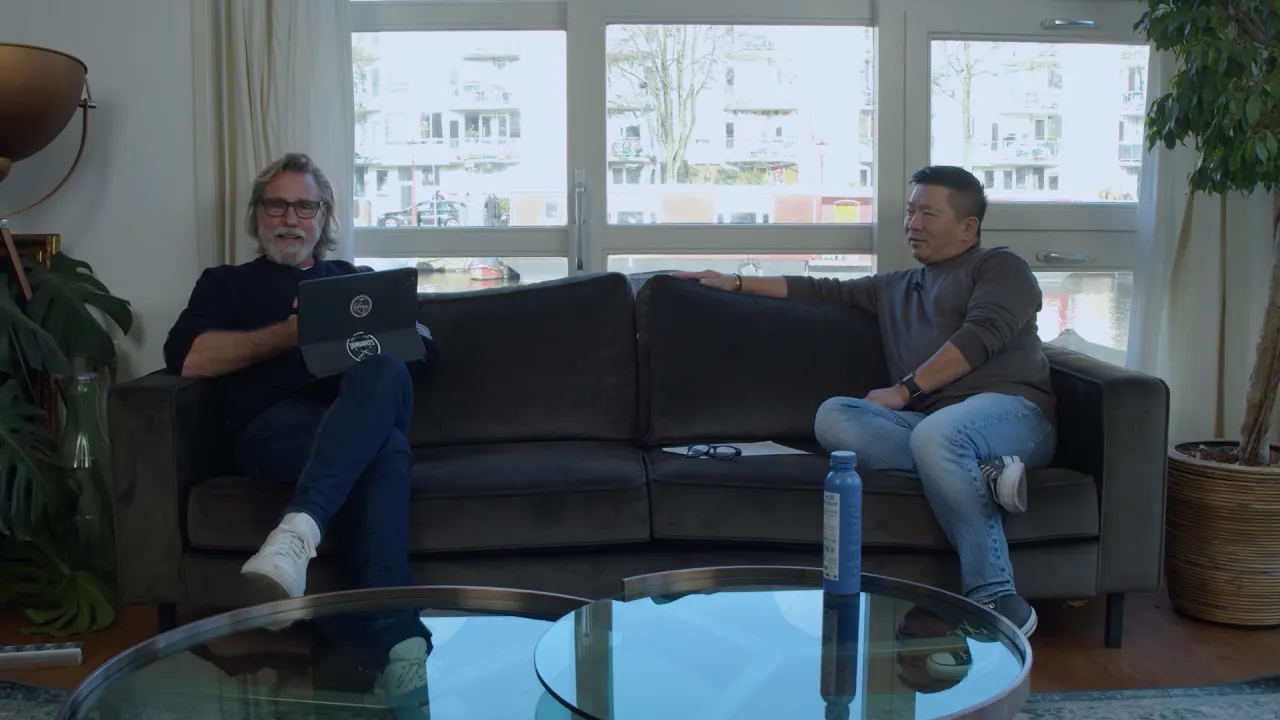
You can watch the full conversation for his story about the reopening, the pandemic timing and his plans in asset management.
Frequently asked questions
What does a hotel mystery shopper do?
A mystery shopper visits a hotel as an ordinary guest and reports on what they experience, from the first welcome to the end of the stay. In Hael Rajab's approach the visit is combined with guest journey mapping and customer experience strategy, so the findings lead to concrete changes rather than a score alone.
Why do independent hotels need mystery guests?
Owner-run hotels often have no outside party that checks the operation. When the owner is also the operator, nobody looks at the hotel with fresh eyes. Rajab, whose family owns and runs its own hotel, sees outside mystery guests as very necessary to improve the guest experience in exactly this kind of property.
What should a mystery guest look at first?
In Rajab's view, the welcome. He calls a smile to someone you don't know the key of hospitality, rooted in the Saudi custom of welcoming a guest at the door with Arabic coffee and a meal. Procedures matter, but the warmth of the first contact deserves the top of the report.
Can a local hotel compete with international brands?
Rajab's own family hotel suggests it can. It competes with international brands in its city, keeps RevPAR and ADR on average with the market, and hosts football clubs, companies and government guests. His explanation is that the team works with heart and builds strong relationships with the public and private sector.
