





















Hotel room status: how to keep every department in sync
Alon Shkuri · 20 Oct 2026 · 6 MIN READ
Every hotel runs on one shared question: which rooms are ready? When hotel room status lives on a printed list and travels by phone, reception, housekeeping and maintenance each work from a different picture of the day. Guests wait at the desk, cleaners knock on the doors of people who are still asleep, and supervisors spend the morning chasing their teams.
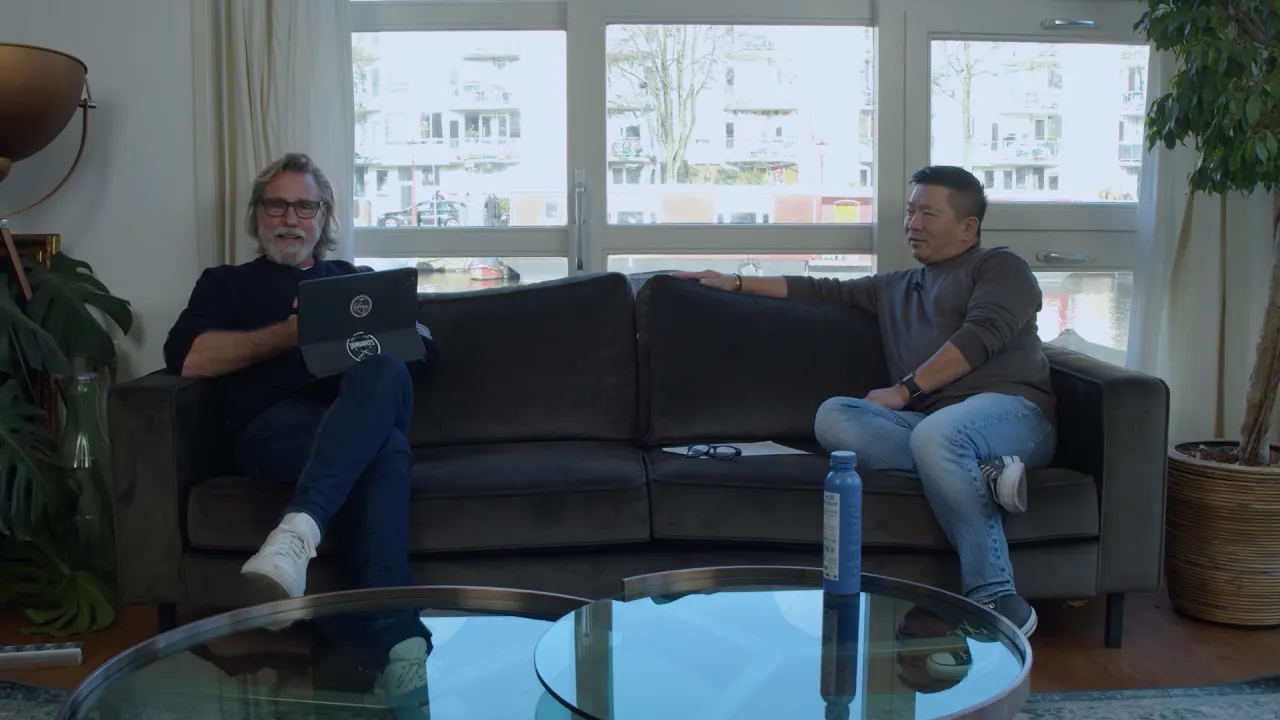
The lessons come from Jeroen Klijnsma, VP of Product at GoTickin, a company that makes housekeeping software. He went to hotel school in the Netherlands, worked in restaurants and hotels, and was a duty manager at a large hotel in Amsterdam before he moved into software. Today he sells the product, acts as the link between the developers and the users, and trains hotel teams on site.
Why hotel room status is a communication problem
In Klijnsma's view, the problem his company set out to solve was not cleaning itself but a lack of communication. Three departments sit at the core of it: reception, housekeeping and maintenance. Reception needs to know which rooms have been cleaned, which still need cleaning and which are being cleaned right now. Housekeeping needs to tell reception when a room is done. Maintenance needs to know when it can get into a room without getting in the way of a guest or a cleaner.
How the paper list works, and where it fails
The traditional morning routine he describes will be familiar to many operators. Someone prints a list with the status of every room: occupied, vacant, a stay over or a checkout. The housekeeping manager then splits the rooms across the team, for example ten rooms per person. A related article looks at the hotel housekeeping cleaning process.
“That manager has to get all the information from the reception down to that paper. And as we know, hospitality is ever changing.”
Jeroen Klijnsma, 8:23
The weakness is that the paper stays the same while the day does not. It does not tell the cleaner:
- when a guest has actually left the room;
- that a guest decided to stay another night;
- that something broke and maintenance has to go in first;
- which other changes happened since the list was printed.
So the updates travel by phone. In Klijnsma's experience the phone goes off every minute, guests are disturbed at six or seven in the morning, and supervisors walk the corridors looking for their staff to reassign rooms. He calls it inefficient, with a lot of wasted time and a lot of frustration.
Keeping hotel room status live, straight from the PMS
The fix he describes keeps what works about the old list and removes what does not. Cleaners still have their allocated rooms, but the list is fed directly by the property management system (PMS), so a change at the desk shows up on the housekeeping side without a call. If a guest turns a stay over into a checkout, or the other way around, the list updates itself.
The second change is who can see it. In the setup he describes, everyone in the hotel, from the general manager to the dishwasher, has the application on their phone with a personal login and can send direct messages. A supervisor can move rooms from one person to another or assign a task without picking up the phone.
“The application directly knows if a guest checks out, the room will be empty, and it goes directly to the top. So I don't have to look for empty rooms anymore.”
Jeroen Klijnsma, 12:56
That small detail changes the start of a shift. A cleaner no longer has to guess where to begin or knock on doors at random and wake a sleeping guest. A practical flow for a live room status looks like this:
- The PMS reports a checkout and the empty room moves to the top of the cleaner's list.
- The cleaner presses a button to start cleaning, and supervisors get a notification.
- Reception sees the room as in progress instead of calling housekeeping to ask.
- When the room is finished, the cleaner marks it as done and reception knows it is ready. A related article looks at online check in for hotels.
- Maintenance checks the same list to decide whether to go in before or after the clean.
Lost and found in the same flow
A shared status system also helps with the tasks that sit next to cleaning. Lost items are a good example. In Klijnsma's view, hotels that work on paper do not only see guests lose things; they lose track of those items themselves.
In the process he describes, the housekeeper records a found item on the same device they use for their rooms:
- a photo of the item, because a picture says more than a long description;
- a short description and an individual number, so the item is easy to track;
- who found it and where;
- where it is stored, for example a numbered box or a clothing area.
Reception and managers get a notification straight away. If a guest checks out at ten and calls back at two, reception already knows the item has been found and where it is, without calling housekeeping to ask whether the room has been cleaned yet. For Klijnsma that is a direct route to higher guest satisfaction.
Training the team so the system gets used
Software only helps if people use it, and here Klijnsma makes a point that goes beyond any one tool. Hotels talk a lot about the guest journey, he says, and far less about the staff journey.
“We are talking a lot about guest journey, but we are not talking about staff journey. So how do we actually train and help our staff understand all the systems that they use?”
Jeroen Klijnsma, 18:20
His approach is to combine a standard best practice with the way each hotel already works. A related article looks at hotel quality management and audits. In his experience the setup takes about half a day and on-site training takes two days, after which the team runs the system on its own.
Design matters too. The application he works on relies on symbols more than on text, so staff who speak different languages, or who are not used to smartphones, can follow it. He tells the story of a housekeeper two weeks from retirement who did not own a mobile phone. He explained it to her in about five minutes and asked for her feedback. At the end of the day she told him that with such a system she would have stayed with the company for at least four more years.
In his experience the approach works from five-star hotels, where guests have different expectations, to hostels, where cleaning has to be faster and more efficient. If you want to hear the whole story, you can watch the full conversation.
Frequently asked questions
What is hotel room status?
Hotel room status is the current state of each room: occupied, vacant, a stay over or a checkout, and whether it has been cleaned, is being cleaned or still needs cleaning. Reception, housekeeping and maintenance all rely on it to decide what to do next, which is why it works best when every department sees the same, updated information.
Why do printed housekeeping lists cause problems?
A printed list is made in the morning and does not change during the day. Guests extend their stay, check out or report something broken, and those updates then travel by phone. According to Jeroen Klijnsma, that leads to constant calls, guests disturbed early in the morning and supervisors searching the building for their staff.
How can housekeeping know when a guest has checked out?
When the housekeeping list is linked to the PMS, a checkout shows up directly on the cleaner's device and the empty room moves to the top of their list. Staff still knock before entering, because a system can be slightly off and a guest might still be inside the room.
How long does it take to train hotel staff on a new housekeeping app?
In Klijnsma's experience the setup takes about half a day and on-site training takes two days, after which the team works on its own. An app that relies on clear symbols rather than text helps, because staff can learn the basic steps in minutes, even without much experience with smartphones.
