




















Vulnerable leadership: why openness builds stronger hotel teams
Alon Shkuri · 20 Oct 2026 · 6 MIN READ

Many hospitality leaders were taught to keep their guard up: know every answer, show no doubt, and keep personal struggles out of the office. Yet teams rarely give their best to someone they cannot read. Vulnerable leadership turns that around. It asks leaders to show who they really are, so the people around them feel safe enough to do the same. This article looks at what that means in daily practice for hotel and sales teams, and why it can make a team stronger rather than weaker.
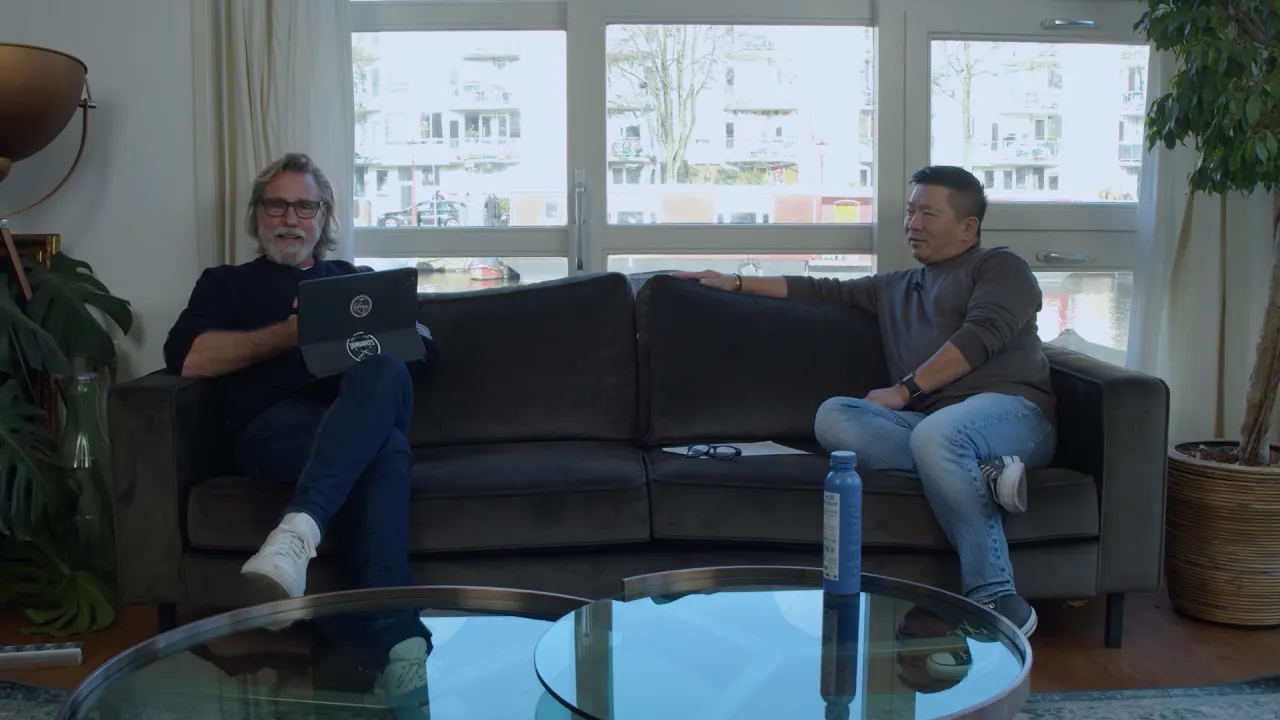
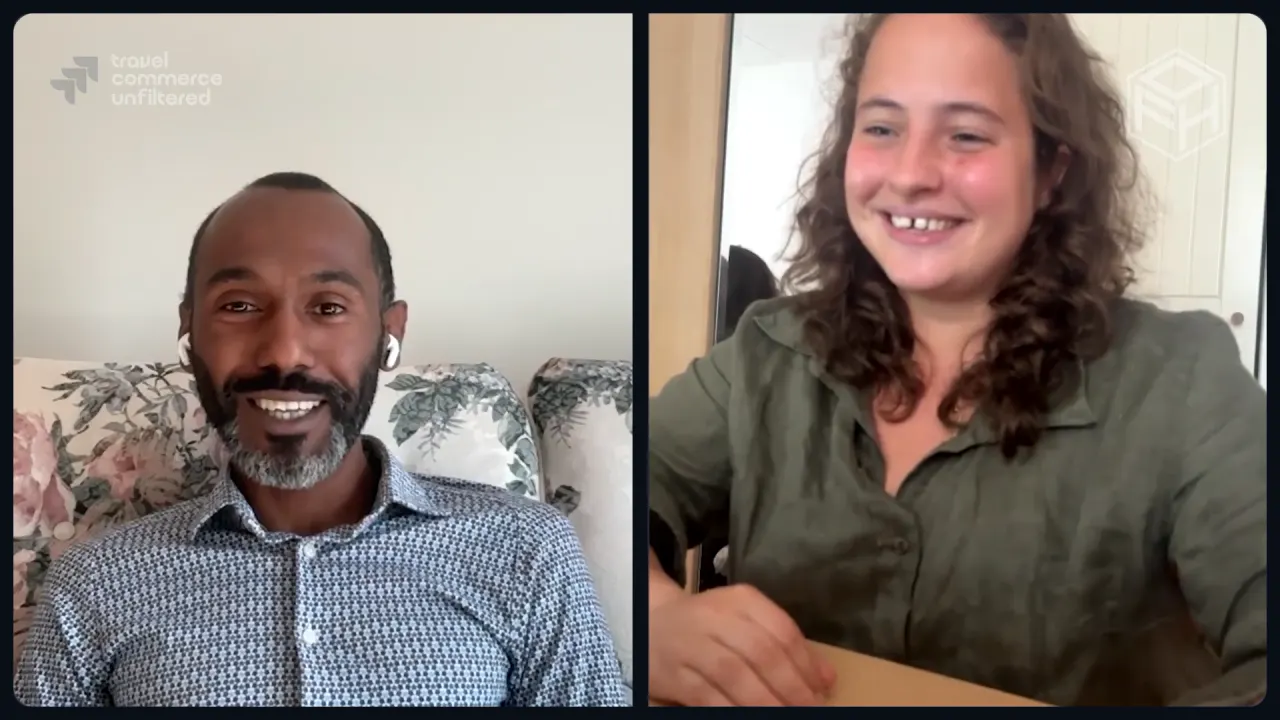
The ideas here come from Cesar Wurm, an SVP who started in hospitality as a room service waiter in Brazil, came to Atlanta in 2001 for a one year internship in the rooms division, and worked his way into sales and later into senior commercial roles with several hotel brands. For almost three years he has spoken openly about his journey to sobriety, and that choice has shaped how he leads.
What vulnerable leadership means in practice
Vulnerable leadership is not about sharing everything with everyone. In Wurm's view, it is about dropping the act. Early in his career, when he got his first leadership role, he tried to fit a model of what he thought people wanted to see from him, instead of being his true self. Looking back, he says that compromise hurt both him and his performance. When you are not living your full potential as yourself, you start holding back, and the team feels it.
For a long time he did not talk about his addiction at all. He describes his own bias: he had always attached a very negative meaning to addiction, and it took time to accept his own story. Two things changed that. His wife pointed out that in his recovery he had found someone who opened up to him, and that he could do the same for others. And as he began to share with people he knew, he noticed a pattern.
“I start observing and feeling that the more I shared, the more I opened up, the more I got back.”
Cesar Wurm, 13:36
Why openness makes people feel safe
The mechanism he describes is simple. When a leader is open about something difficult, people tend to answer in kind. They see that this person has brought down their walls, and they feel comfortable doing the same. In his experience, that reciprocity is what turns a group of colleagues into a team that trusts each other.
He was also struck by how many people could relate. He already knew addiction was common, but he was surprised that almost everyone he spoke with had a family member, a close friend or someone they knew who had been affected. That showed him that the topics leaders avoid are often the ones their teams are quietly carrying. His conclusion was personal: change in bias and acceptance has to begin with the person who wants it.
“If I wanna see change in bias, in acceptance, it has to start with people like me. Be the change yourself first.”
Cesar Wurm, 15:54
How to create a safe space for every voice
Wurm links vulnerable leadership directly to inclusion. Not everyone on a team starts from the same place. He points to minority groups who may feel less comfortable voicing things, and to colleagues for whom English is a second language, who sometimes speak less because they are conscious of their accent. If those people hold back, the team never sees their full potential. His practical approach comes down to a few habits:
- Be conscious of who is not speaking up, and why that might be.
- Create room where people can be their true selves without fear of judgment.
- Talk with each person to learn what drives them: for some it is money, for others time with family or recognition.
- Use that knowledge to shape how each person wants to be treated and engaged. A related article looks at situational leadership in hospitality.
In his words, when every person in a team feels safe enough to bring their full self, the sky is the limit. He describes it as building an unstoppable machine, one person at a time.
Connection over pressure in high performing teams
Asked what it takes to build a high performing sales team, Wurm starts with skills: everyone needs a solid foundation for their role. But he calls the second part more important, which is helping each person reach their full potential. For him, that happens through connection. The hard part, he says, is that leaders are so focused on tasks, and often doing two or three jobs at once, that they lose the time to connect. It does not have to take long. Fifteen minutes can be enough. The same pressure comes up in an article on preventing employee burnout in hotel teams.
He also rejects leadership by pushing. Looking back at the good and not so good leaders he worked for, the ones who motivated him most were not the ones who pushed every day. A leader's job, in his view, is to paint the vision so everyone knows where the team is going and why.
“I believe most people, they don't need to be pushed. Right? They just need to know where they're going and be supported to get there.”
Cesar Wurm, 23:51
Most people, he argues, want to be proud of their work and do a great job. Very few need a whip. That belief is the practical side of leading with openness: trust people first, and support them on the way. A related article looks at what leaders can do for employee happiness in hotels.
Staying grounded and keeping the basics right
Showing up as yourself takes energy, and a demanding career makes that hard. Wurm calls staying grounded a daily battle. You can work for hours and never catch up, so he focuses on what is truly crucial for the business, the team and himself, and on small habits he can always make time for:
- A twelve minute meditation every morning, built around positive affirmations, to start the day with a clear mindset.
- A cold plunge of four minutes.
- A walk, a workout or other movement to keep going.
His broader lessons are about foundations. In his opinion, about 80% of success comes from the basics: having the right team, helping them be at their best, and knowing what your business needs to win. He adds two more: stay open minded and agile, because rarely anything goes exactly as planned, and be kind, since people have different backgrounds, fears and goals. Finally, he stresses that anyone in a tough spot should not be afraid to reach out to someone they trust. To hear his full story, watch the full conversation, or find more honest stories from the industry in the Unscripted Hospitality series.
Frequently asked questions
What is vulnerable leadership?
In the view shared here, it means a leader drops the act and shows who they really are, including struggles they might normally hide. The aim is not to overshare but to make it safe for others to be open too. When a leader brings down their walls, people tend to reciprocate, and trust grows across the whole team.
Does showing vulnerability make a leader look weak?
Wurm's experience points the other way. Trying to fit a model of what he thought people wanted to see hurt his performance. Once he started sharing his journey to sobriety, people responded with acceptance and with their own stories. Openness built connection rather than doubt, as long as it was offered as an invitation and not pushed onto others.
How can a hotel leader create a safe space for the team?
Start by noticing who holds back, such as colleagues for whom English is a second language or people from minority groups. Make time for short, regular conversations, even fifteen minutes, to learn what drives each person. Then adjust how you engage them, and paint a clear vision so people know where the team is going.
How do you build a high performing sales team?
According to Wurm, a strong skill set is the foundation, but the bigger lever is helping each person reach their full potential. That comes from connection: knowing whether someone is driven by money, time with family or recognition, setting a clear North Star, and supporting people rather than pushing them every day.
