




















Greenhushing in hotels: why silence hurts real sustainability
Alon Shkuri · 20 Oct 2026 · 6 MIN READ

Greenhushing is the quiet twin of greenwashing: a hotel does real sustainability work and then says nothing about it, out of fear of being accused of exaggerating. If your team has cut energy use, reduced waste or changed processes but keeps all of it off the website, the good work stays invisible. The real question is how to talk about progress in a way that guests, investors and journalists can trust.
Dragos Avram, a CEO who works on actionable sustainability for hotels, sees this pattern often. In his experience, plenty of people care about climate and impact on a personal level, but they hold back because they do not want to be called woke or a do-gooder. The same reflex shows up inside companies.
What greenhushing is and why hotels fall into it
Avram describes companies that go well beyond an offset on their website or a few green leaves in their design. They have teams working on sustainability and measurable results, yet they keep quiet because they worry that a newspaper will accuse them of greenwashing.
“It's companies that really put effort into it, and they have teams of people working on it. And you can really see progress over the years.”
Dragos Avram, 26:07
In his view, the silence rests on two beliefs: either people do not care, or anything you say will be read as a lie. And when nobody talks about what they do, the market never learns that sustainability is becoming normal practice.
Why staying silent costs more than you think
Silence is not neutral. Avram argues that if the hotel next door starts communicating in a sensible way, the market will see more of it and sustainability will become more accepted.
There is also money involved. Sustainability is often treated as a pure cost, a pattern he links to what the literature calls a spiral of inaction. He frames it the other way around. Utilities such as water and energy are among the highest operating costs of a hotel, and they depend on geography and the age of the building. Investing in the building lowers those costs, which in his words gives a direct return on investment. Some sustainable hotel practices pay back faster than others.
Financing points the same way. Most hotel businesses run on debt and refinance every four or five years. According to Avram, green loans can come with a discount on the margin and the chance to borrow more capital. Building improvements like these can also lift a hotel valuation when the property is sold.
“Of course, it doesn't come just by saying, hey. We are green. You would have to prove it with certain reporting and achieving some goals.”
Dragos Avram, 9:00
That last point matters here. The same reporting a bank asks for is exactly the material you need to communicate honestly. If you can prove your progress to a lender, you can explain it to a guest.
How to communicate sustainability without greenwashing
The fix is not louder claims. Avram warns against statements such as calling yourself a 100% sustainable hotel. What works better is reporting what you actually did in the last six months. The host of the conversation shared a similar view: skip the big labels and simply name the concrete thing, for example how much of your energy is solar or that the toilets are flushed with rainwater.
- Share specific actions with a time frame, such as what changed in the last six months.
- Use figures from your own invoices and dashboards, not vague promises.
- Avoid absolute claims like 100% sustainable or fully green.
- Show the teams behind the work, from housekeeping to the technical department.
- Update regularly, so progress stays visible over the years.
This approach also removes the fear that causes greenhushing in the first place. A claim tied to a measured result is hard to dismiss as greenwashing.
Start with the data you already have
Many hotels believe they lack the resources to measure their impact. Avram calls this a common misconception. In his experience, if you have invoices, 80 or 90% of your sustainability data is already there: consumption figures from which a carbon footprint can be calculated. Many hotels also run dashboards and already have a good base of data collection.
The challenge, he says, is making sense of that data and bringing it into daily operations, instead of adding entirely new processes that confuse everybody.
“So simply put, we wanna make sustainability make sense starting with the resources that you currently have.”
Dragos Avram, 29:28
For communication this is good news. You need to read the numbers you have and turn them into a few honest, specific statements.
Build a sustainability team, not a lone hero
Sustainability is often seen as the job of one superhero who does everything from data to reporting. Avram describes a different setup: a big table of stakeholders who each bring knowledge they already have.
- The general manager, who has the helicopter view.
- Finance, which knows the money flows, the invoices and the risk.
- HR and housekeeping, for the social side.
- The technical department, for equipment, efficiency and lifespan.
He also suggests a small habit: add five minutes on sustainability to existing daily or weekly operations meetings and invite the facility manager. At one Amsterdam hotel his team worked with, the executive committee put sustainability on its own agenda and connected waste reduction to food cost.
Expect some resistance. Avram admits that sustainability people can end up being seen as the green police, counting recycled bins and checking water-saving taps. His answer is to present to all levels of management that everyone is in this together, and to show where a change removes work, for example when reusable bottles or taps save housekeeping time.
Why greenhushing matters as regulation shifts
Much of the recent demand for sustainability work came from regulation. Avram explains that Brussels is redesigning the CSRD and raising the employee threshold from 250 to a thousand or more, which in his estimate takes over 80% of companies out of scope. That has left the European sustainability market somewhat frozen.
Yet the hotels that already started keep going because they see value: a strategy they can explain to investors, building improvements that pay back, and finance tied to business KPIs. He also points to Europe-based brands such as Radisson and Accor pushing on single-use plastic, food waste and building emissions, because guests link impact to the brand on the door. Health is the focus of a related trend, the longevity hotel. Since he started in hospitality, he has seen the number of sustainability managers and coordinators almost double every year.
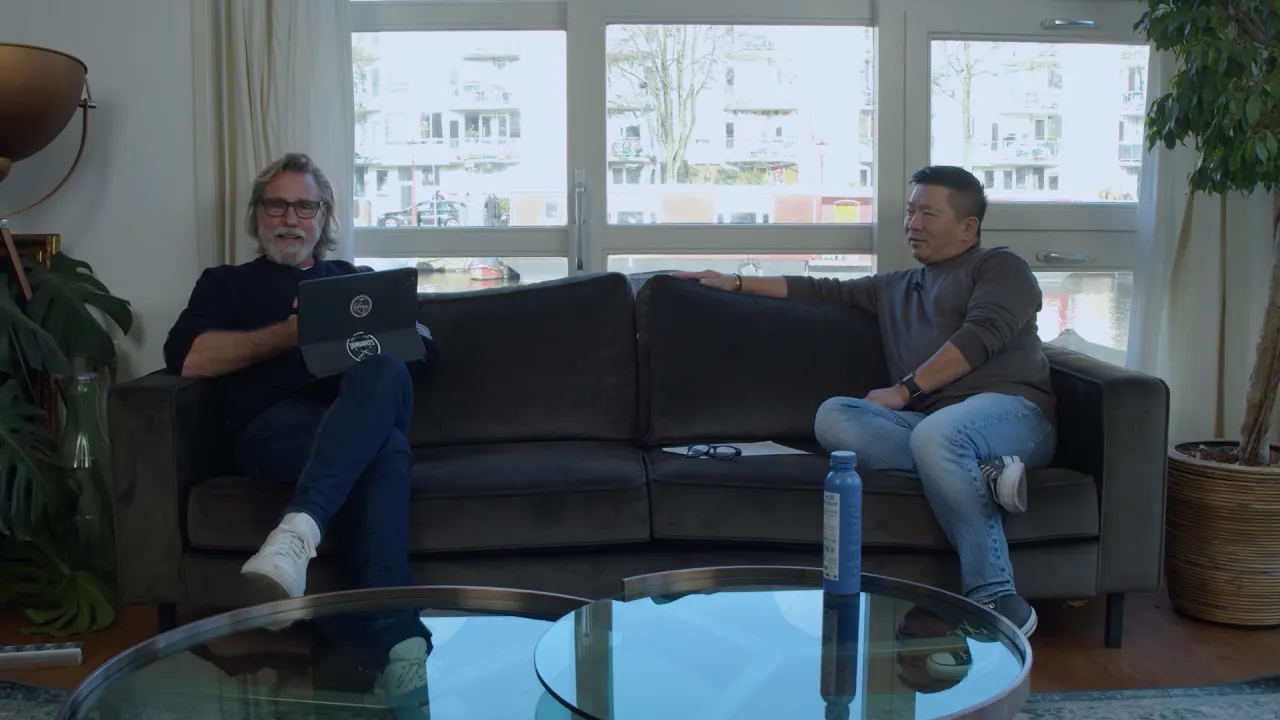
When regulation no longer forces a hotel to report, greenhushing becomes the easy option. That is exactly when voluntary, honest communication sets a property apart. You can watch the full conversation or explore more episodes in The Sustainable Stay series.
Frequently asked questions
What is greenhushing in hotels?
It is the opposite of greenwashing. A hotel does real sustainability work, such as reducing energy, water or waste, but deliberately says nothing about it. In Dragos Avram's experience, the reason is fear: of being called woke, of people not caring, or of a newspaper accusing the hotel of exaggerating.
How can a hotel share sustainability results without greenwashing?
Be specific and modest. Avram advises against absolute claims such as being a 100% sustainable hotel and suggests sharing what you actually did in recent months instead. Name the concrete measure, back it with figures from your own invoices or dashboards, and update it regularly. A claim tied to a measured result is much harder to dismiss as greenwashing.
Where does a hotel find its sustainability data?
Mostly in places it already has. According to Avram, invoices alone can hold 80 or 90% of a hotel's sustainability data, such as water and energy consumption, from which a carbon footprint can be calculated. Many hotels also have dashboards and certifications. The real work is making sense of that data and bringing it into daily operations.
Does sustainability pay off for hotels?
In Avram's view it often does. Utilities such as water and energy are among a hotel's highest operating costs, so investing in the building can bring a direct return. Green loans can also offer a discount on the margin and access to more capital, but only when the hotel proves its progress through reporting and agreed goals.