






















Eco friendly hotel amenities: start with the water bottle
Alon Shkuri · 19 Oct 2026 · 6 MIN READ
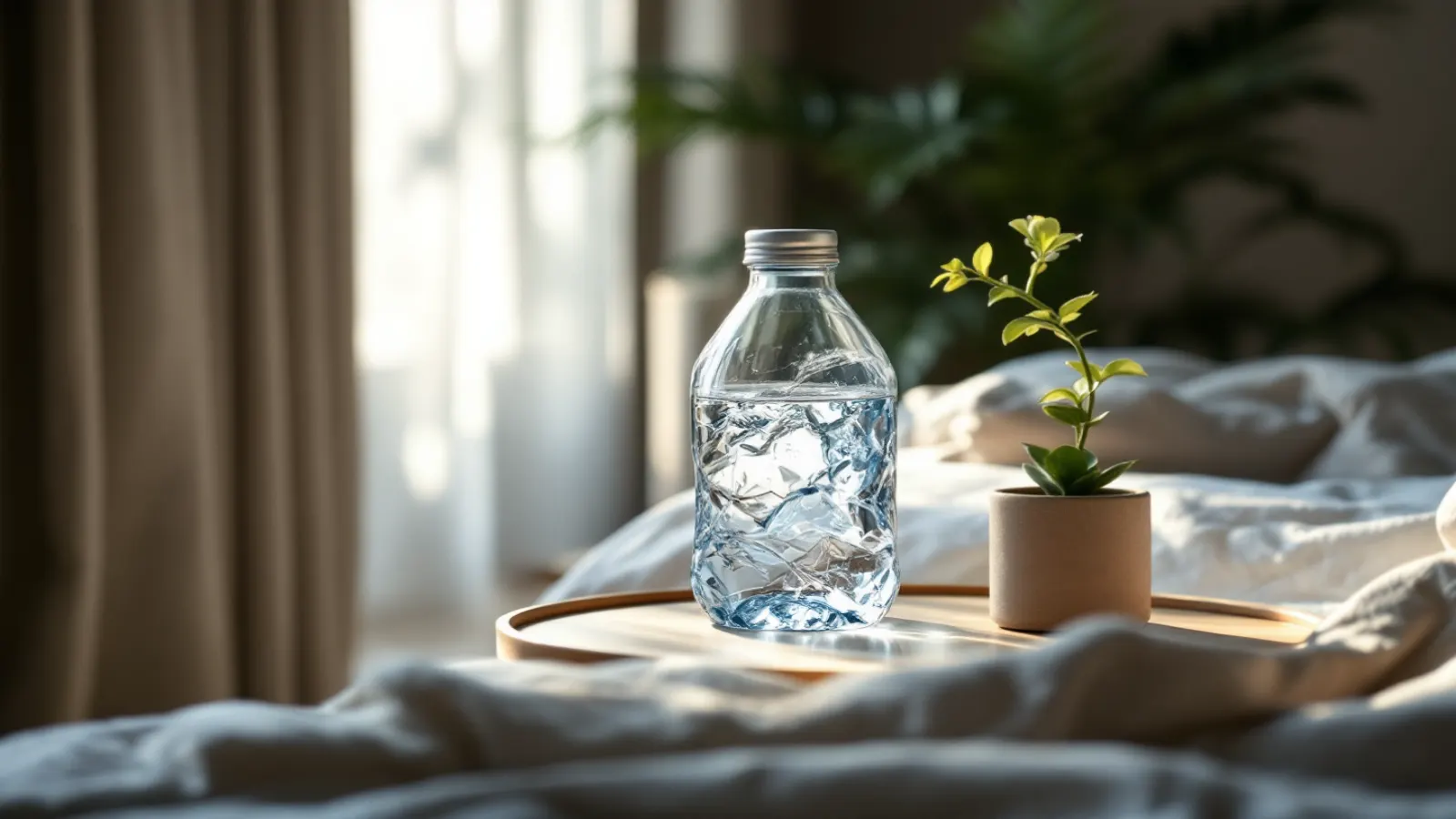
Which eco friendly hotel amenities actually make a difference, both for the environment and for how guests see your hotel? Most hotels want to cut single-use plastic, but the work often sounds like a big project with new suppliers, new routines and extra tasks for staff. A practical place to start is the item guests touch first: the bottle of water on the nightstand.
That is the view of Bart Willems, co-founder of Bottle Up, a plant-based, reusable water bottle designed to replace single-use plastic in hospitality. Since 2019 he has worked with hotels across Europe on this switch. His experience shows what changes for guests, staff and budgets, and where the limits of a single product lie.
Why eco friendly hotel amenities start with what guests see
Much of a hotel's sustainability work stays out of sight. Energy usage and food waste reduction matter, but a guest rarely notices them. In Bart's view, that is why the first visible step counts. Picture a guest opening the door to their room: they see the bed, perhaps the TV, and a bottle of water on the table. In most hotels that bottle is plastic, sometimes glass or a can.
A reusable bottle in that spot does three things at once. It is handed directly to the guest, it can go home with them as a gift, and it shows straight away that the hotel takes sustainability seriously. Bart's argument is that it does so without changes to internal processes.
“Starting with bottle up is the easiest and most clear statement of reusability.”
Bart Willems, 1:44
He adds that the audience looking for sustainable hotels keeps growing, and that these travellers want to see real effort, not only a statement on a website. Offering green housekeeping to guests is one way to show it.
Bio-based, biodegradable or reusable: know the difference
Before choosing a product, it helps to be precise about materials. The biggest misconception Bart meets is that hotels simply do not know plant-based materials yet. Most PET bottles are still made from oil-based materials, so the idea takes some explaining. Three terms are often mixed up:
- Bio-based means the material comes from a plant, such as sugarcane, rather than oil.
- Biodegradable means a material breaks down, which is a different property and not the goal here.
- Reusable is the real point: the bottle is meant to be refilled and used again, at home or on the go.
The bottle Bart's company makes is produced from the resin of sugarcane instead of oil. According to him, sugarcane absorbs more CO2 from the air while it grows than is emitted during production, which is why he describes it as carbon neutral and more sustainable than the alternatives.
How guests respond to sustainable amenities in the room
A sustainable amenity only works if guests value it. Bart says the feedback from guests who find a reusable bottle in their room has been consistently positive. People send messages and post photos of the bottle, say they were happy with the gift from the hotel and want to keep reusing it.
Design plays a large part. In his words, guests rarely see a reusable bottle filled with water, made from sustainable materials, that looks this good. That creates a side effect any hotel can use: when guests post the amenity they received, the hotel gets attention it did not pay for. The positive reactions during early sampling at hotels are, he says, what turned hospitality into his company's main market.
The hidden cost of refillable glass bottles
Many hotels that want to move away from plastic switch to refillable glass bottles. The intention is good, but Bart points to what that route costs behind the scenes.
“Then they have to wash these bottles, fill them. It takes a lot of energy, a lot of time from staff, so it's not ideal.”
Bart Willems, 5:40
With a reusable bottle that the guest takes home after checkout, that loop disappears. Compared with single-use plastic and refillable glass, a hotel no longer has to:
- wash and refill glass bottles, which takes energy and staff time;
- collect disposed single-use bottles from rooms;
- bring those bottles to recycling, which Bart says saves money, time and waste;
- change the housekeeping routine, since whoever prepares the room places the bio-based bottle where the plastic one used to stand.
Ordering can stay simple too. Hotels can order through the wholesaler they already use for single-use bottled water. Bart is clear about why that matters: hotels want the sustainability credentials, but it should not cost too much and it should be very easy. If it is not easy, it will not work.
Cost, risk and how to build the business case
For hotels, Bart says, everything comes back to the guest experience. Managers want to be certain that eco friendly hotel amenities are an addition and not a risk. On price, he describes the reusable bottle as just a little more expensive than single-use, while it reduces waste significantly and gives guests something they keep.
In his experience the hesitation is understandable. Single-use water was cheap and caused no pain, so there was no obvious reason to change, and in the early days a switch took a lot of explaining. What helps a hotel decide:
- Proof from other properties: seeing how a product works at hotels that already use it is, in Bart's words, the best proof a hotel can get.
- Peer stories: the hotel community is close, and decisions travel through contacts, exhibitions and hotel communities.
- A full cost comparison: weigh the small price difference against the handling and staff time the hotel saves.
A first step towards refilling at scale
A reusable bottle is not the complete answer, and Bart does not present it as one. The mission he describes is to make reusable the new normal, and he expects single-use bottled water to still exist for a while.
“The end state is truly circular at scale. But this is a first step to change habits, to make it easy for hotels to change habits.”
Bart Willems, 18:59
The next step he sees is refilling inside the hotel. His company partners with makers of water dispensers for hotels, so a guest receives or buys a bottle and refills it in the hallway or elsewhere in the building. The host adds that younger generations entering hospitality from hotel school care strongly about this kind of change, which he sees as working in its favour.
To hear how this played out in practice, from the first hotel samples to the plans for 2026, watch the full conversation, and find more episodes on greener operations in The Sustainable Stay series.
Frequently asked questions
Which eco friendly hotel amenities should a hotel start with?
Bart Willems argues that most sustainability work in a hotel is abstract to guests, such as energy use or food waste. Among eco friendly hotel amenities, a bottle on the nightstand is something every guest sees and holds. That makes it, in his view, the clearest and easiest statement a hotel can make about reusability, without changes to internal processes.
Is a plant-based bottle the same as a biodegradable bottle?
No. Bio-based and biodegradable are different things. The bottle Bart Willems' company makes is produced from sugarcane resin instead of oil, and he explains that the sugarcane absorbs more CO2 while it grows than is emitted during production. The bottle is meant to be refilled and reused, not to break down after one use.
Does switching away from plastic bottles cost a hotel more?
According to Bart Willems, the reusable bottle is just a little more expensive than single-use bottled water. He weighs that against what a hotel saves: no collecting of disposed bottles, no trips to recycling, and compared with refillable glass, no washing and refilling by staff. Guests also take the bottle home after checkout.
How does a hotel order reusable water bottles?
Bart explains that hotels can order through the wholesaler they already use for their single-use bottled water. The idea is to avoid any hassle, because hotels want the sustainability credentials without extra work. In the room nothing changes for housekeeping: the bottle simply replaces the plastic one on the nightstand.
