





















Longevity hotel: why wellness is the future of luxury
Alon Shkuri · 20 Oct 2026 · 6 MIN READ
Owners of luxury hotels keep hearing the word longevity, and many wonder whether a longevity hotel is a serious business model or simply the next label on the spa menu. The question matters, because wellness investments are expensive, take years to pay back and can tie a property to a concept that ages badly.
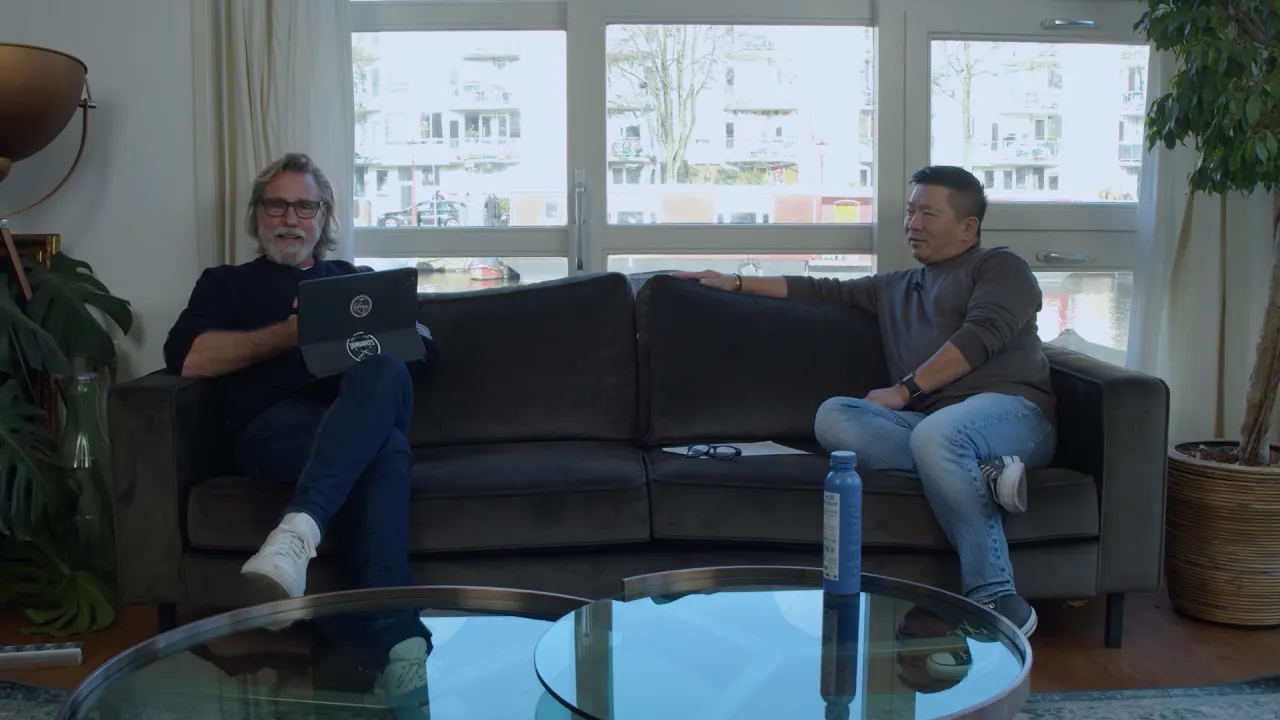
Adam Mogelonsky, a luxury hotel adviser who works with independent boutiques and small groups around the world, has a clear view on this. In his experience, wellness is evolving into longevity: the idea of people living longer while keeping their health. Wellness and longevity are an increasingly large part of his advisory work for owners.
Why longevity is becoming the future of luxury
According to Mogelonsky, luxury is moving away from pampering and maximalism toward personalization and identity. More guests spend their discretionary budget on experiences rather than on owning things, and that shift changes what a luxury hotel is actually selling.
His reasoning starts with money. Money is only a medium of exchange, and what people exchange it for are experiences: a quiet home with clean air and beautiful things to look at, or a front row seat at a concert. If experiences are what people buy, then more healthy years simply means more room for experiences.
“Therefore, longevity, wellness is the future of luxury because longevity gives us more time and more cognition, and therefore, it gives us more appreciation for our surroundings and more time for experiences, if that makes sense.”
Adam Mogelonsky, 15:54
His team sums it up in one thesis.
“Our thesis on the future is that hospitality is the future of hospitals.”
Adam Mogelonsky, 14:56
For an owner, the practical meaning is that wellness is no longer a side amenity. In this view, a longevity hotel sells time and health, which sits at the core of what luxury guests value most.
Who pays for a longevity hotel stay
Mogelonsky illustrates the size of the opportunity with a question he puts to wealthy individuals, including hotel owners. Imagine a 60-year-old who earned 10 million dollars last year. What would that person pay per year for a lifestyle program that makes them thinner and fitter, stabilizes their cognition against decline and preserves the way they look for the next twenty years? The answer in his example is around 10 percent of annual earnings, which comes to 1 million dollars per person per year.
Part of that budget goes to products and changes at home. A large part, in his view, goes to luxury hotels, because luxury guests travel more often on average. When they travel, they either want to stay healthy on the road or they travel primarily for wellness. For these guests, destination management for VIP clients can shape the whole trip. He presents this as one individual case to show the potential, not as market research, and owners should read it the same way.
Mogelonsky points out that high net worth individuals alone are too few to support luxury hotels. Growth comes from several segments:
- High net worth guests who want exclusivity, security and certainty, which makes hotel security part of the offer.
- High earners who are not rich yet, often called HENRYs.
- Companies that bring remote and hybrid teams together at luxury hotels for quarterly or yearly meetings.
- Aspirational guests, often in their forties and younger, who rent instead of buying and spend the difference on luxury travel.
What a longevity program typically includes
The most developed version today is the week-long stay at a luxury health clinic or wellness resort, a format that several large luxury brands are now moving into as well. Mogelonsky describes it as a personalized itinerary with best-in-class wellness professionals, designed to make the guest better over one week. It is preventative and integrated wellness rather than surgery and recovery.
A program like this looks at body and mind together and combines eastern and western practices:
- Yoga and meditation.
- Very good nutrition and supplementation.
- Red light therapy and other forms of photobiomodulation.
- Cryotherapy and similar treatments.
- All of it programmed and sequenced so it fits into the length of the stay.
According to Mogelonsky, such a week can cost anywhere from 10,000 to 100,000 US dollars, depending on what the guest orders. Hotels also have a natural advantage: many wellness machines cost six figures and need a lot of space, which makes a hotel a logical place to introduce them.
Solving the spa labor problem with wellness technology
Most traditional spas earn their revenue from massages. Mogelonsky puts massages at around 80 percent of spa throughput. At the same time, he sees a worldwide shortage of good massage therapists, registered massage therapists and physiotherapists, because the work is physically demanding and requires constant empathy with guests.
His advice is to first get the most out of the existing model. That means checking how well massages are merchandised online, how far ahead of arrival they are sold, and how demand splits across leisure guests, day spa guests and groups. It also means dynamic availability: when treatment rooms run at roughly 85 to 90 percent utilization, weekend afternoons should go to higher margin massages, not to lower margin salon services such as manicures and pedicures.
Once that is done, the next step is technology. Touchless wellness treatments can expand a spa in a relatively labor independent way, so that treatment rooms can run like a multiplex during certain hours.
“Therefore, we need to innovate and grow the top line without growing a proportional amount of labor.”
Adam Mogelonsky, 35:46
How to build a longevity hotel offer step by step
Many owners see longevity as something for later. Mogelonsky's answer is a staged plan: what can be done now, and what follows in later phases. Rooms cannot be renovated at random, because every room taken offline is lost revenue, so the work has to be scheduled. His sequence works from the outside in:
- Feasibility: what is realistic for this specific property.
- Return on investment: the payback on every capital expenditure, planned as a renovation program over about three years.
- Business plan: how the offer is programmed, priced and sold online.
- Scheduling: when each phase happens without hurting room revenue.
Value engineering is part of the same discipline. In one wellness project, a designer had proposed a new, Instagram-friendly pool experience for 10 million dollars because the pool was underused. Mogelonsky's team found a simpler cause: the pool was too far from food and drink service. A smoothie bar of about 50,000 dollars, plus staffing costs, solved it, and it works as a wellness amenity in its own right. A good rooftop bar concept follows the same logic of placing food and drink where guests are.
The lesson he draws is survivorship bias. There is the data you see and the data you don't see, and a sound wellness plan asks what the missing data is before any money is spent. For more of his examples, watch the full conversation.
Frequently asked questions
What is a longevity hotel?
It is a hotel that builds its wellness offer around living longer in good health, rather than around pampering alone. In Adam Mogelonsky's description, this means personalized programs with wellness professionals, combining yoga, meditation, nutrition, supplementation and red light therapy, sequenced over a stay that is often a week long. The focus is preventative and integrated wellness, not surgery.
How much does a longevity program cost guests?
According to Mogelonsky, a week-long program can cost anywhere from 10,000 to 100,000 US dollars, depending on the treatments a guest chooses. That price level reflects the specialist staff, equipment and personalization involved, and it shows why a careful feasibility study should come before any investment.
Should a luxury hotel replace staff with technology in its wellness offer?
Not across the board. Mogelonsky would never put check-in kiosks in a luxury hotel, because luxury means a personal welcome and exclusivity. In the spa, however, he sees touchless wellness technology as a way to grow revenue while good massage therapists are scarce. The aim is to grow the top line without growing labor at the same rate.
Where should a hotel owner start with longevity?
Start with a staged plan instead of one big renovation. Mogelonsky's sequence is feasibility, return on investment, business plan and scheduling. First get more out of what already exists, such as better online merchandising of treatments and dynamic availability, before committing to larger builds.
