Hospitality soft skills: the human side of hotel leadership
Alon Shkuri · 20 Oct 2026 · 6 MIN READ
Technology and AI take on more of the work in hotels and hotel schools every year. What guests still remember is the human part: how people listen, read the person in front of them and stay calm under pressure. Those hospitality soft skills used to be seen as a matter of personality. Today they are taught, practised and assessed, and the methods behind them, from self-awareness work to deep democracy, are useful for any hotel team.
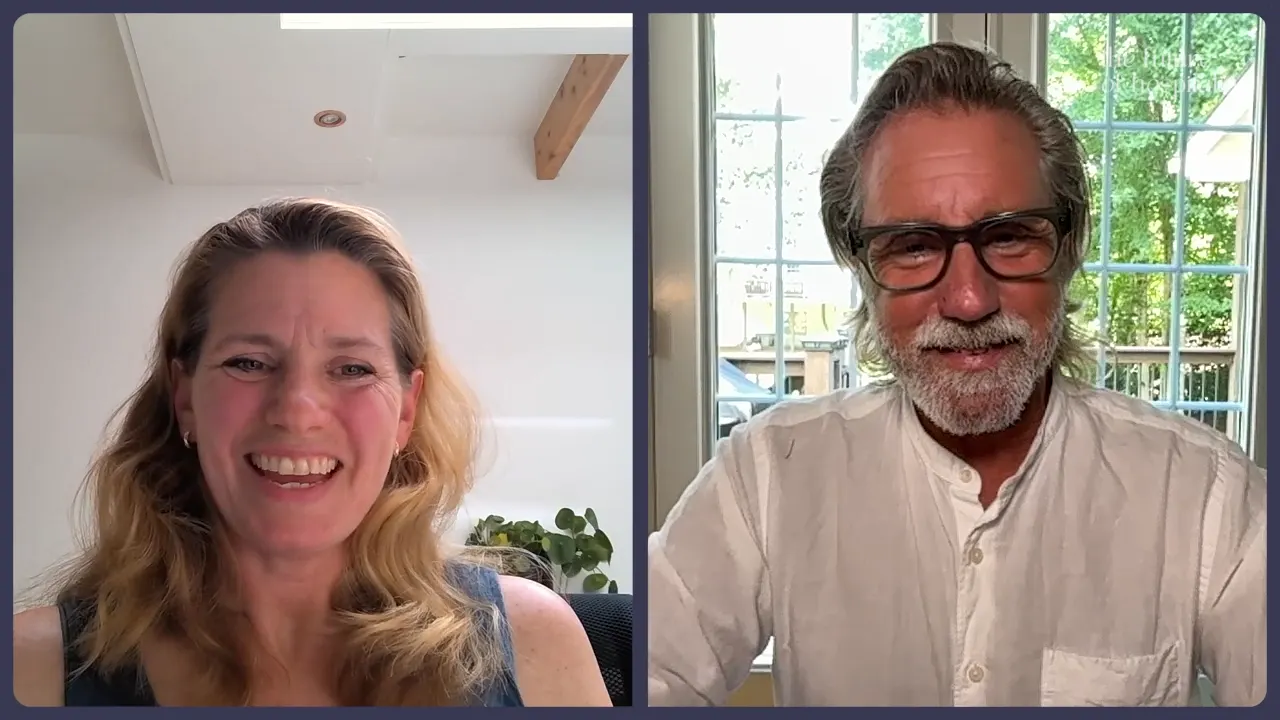
Anemoon Schepel is a senior lecturer at Hotel School The Hague. She coordinates the graduation project, the final year in which students go on placement around the world, and works on the renewal of the curriculum. Her view of what future leaders need is clear: the human skills come first.
Why hospitality soft skills sit at the core of leadership
Schepel calls them human skills, and in her view the most important element is understanding other perspectives. A leader who sees everything through their own lens will struggle with conflict, with influencing people and with getting a team to act for a common cause. A related article looks at situational leadership in hospitality.
“It's not having your own lens that you see the world, but really understanding that other person's perspective.”
Anemoon Schepel, 16:57
She links these skills to emotional, cultural and social intelligence, which she sees as closely interlinked. Together they decide how someone deals with conflict, how they influence and mobilise people, and how a team works towards a shared goal.
The focus has also shifted since her own student years. Back then, education leaned heavily on cognitive abilities: critical thinking, creative thinking and communication. Those still matter. But in her experience there is now far more attention for well-being, mental health and the idea that people bring their whole self to work, and that attention is growing in hospitality too. A related article looks at workforce readiness programs in hospitality.
Self-awareness is where human skills begin
Hospitality soft skills are often described as being good with guests. Schepel starts somewhere else: with the person themselves. Before you can understand someone else, you need to understand your own context, where you come from, what your patterns are and what drives you. She describes the skills as a sequence that builds step by step:
- Self-awareness: knowing your own context, patterns and drivers.
- Self-management: being able to manage those patterns, including how you behave under stress.
- Awareness of others: seeing the other perspectives and types of people around you.
- Relationship management: handling those relationships, including conflict.
At her school, resilience is a big topic. Students take a test that shows their regular behaviour, their needs and their stress behaviour, so they understand why they react the way they do when pressure rises. For a hotel, the lesson is simple: training a team in guest contact without working on self-awareness skips the first step.
Surface acting versus deep acting in guest contact
Hospitality is emotional labour. Staff are with different people all day, they sometimes get shouted at, operations bring constant pressure, and when colleagues are ill they are often on their own in front of the guest. Schepel uses two terms to explain why this matters for mental health.
Surface acting means putting up a show: smiling at a guest while you do not feel it. Deep acting means you actually feel what you show. According to Schepel, people who rely on surface acting get into burnouts, and faking it when you do not feel well starts a negative spiral for your mental health.
That makes the distinction a leadership topic as well as a service topic. A manager who understands it will look at what is behind the smile instead of only checking that it is there, and will make sure staff have a good team around them so the burden does not fall on one person.
Deep democracy: making room for the minority voice
One of the tools Schepel uses most is deep democracy, a way of making group decisions that deliberately invites the view that is easy to overlook. She uses it in class and teaches students to use it themselves. In practice it follows a few steps:
- Start with a check-in in which every perspective is invited.
- When an idea is on the table, say that someone may have another idea, even a completely different one.
- Ask whether others recognise that alternative, so it can spread.
- At the end, ask the minority that still does not agree what they need to go along with the decision.
“I use it in class with my students, but I also use it to teach students on how they can use deep democracy themselves to make wise decisions.”
Anemoon Schepel, 22:26
The aim, in her words, is to make wise decisions. For hotel leaders the value is easy to see: in a team meeting or a briefing, the quiet colleague with a different view may be the one who has spotted a problem first. The method gives that person a structured moment to speak.
Building soft skills in a high-tech hotel world
None of this means turning away from technology. Schepel argues for high tech, high touch: embrace AI and new tools, but never lose the human touch, because she believes it will never go away in hospitality.
Her school lets students use AI for brainstorming and even for building things, as long as it does not hinder their own critical thinking. She warns about what information goes into that black box and wants students to protect their privacy.
The way these skills are taught is changing too. Schepel describes her role as a servant to the group: facilitating learning rather than lecturing, making students responsible for their own learning and putting them in the driving seat, for example by giving them the budget and the responsibility for a field trip. Practical changes at the school support this:
- The bachelor thesis is separated from the internship, because combining both caused time-management problems and, for some students, delays of a year or more.
- Research moves to challenge-based learning for the industry, on a more connected campus.
- Students should gain a leadership experience during placement, by leading a project or people.
- The graduation course works with the inner development goals, and students set their own development goals.
Hotels that take on interns can help by offering that leadership experience. Schepel notes that not every company does, and that students often do not dare to ask for it. A related article covers hospitality networking and career growth. For her, hospitality soft skills reach beyond the industry itself: they are about making people feel heard and seen in any organisation.
“I think it's really about empathizing with the other, caring for the other.”
Anemoon Schepel, 31:55
You can watch the full conversation or find more episodes on talent and education in the NextGen Hospitality series.
Frequently asked questions
What are hospitality soft skills?
They are the human skills behind good service and leadership: understanding other perspectives, self-awareness, self-management and managing relationships. Anemoon Schepel links them to emotional, cultural and social intelligence. In her view they decide how people handle conflict, influence others and work together towards a common goal, which makes them central to hotel leadership.
What is the difference between surface acting and deep acting?
Surface acting is showing an emotion you do not feel, such as a smile you put on for a guest. Deep acting means you really feel what you show. Schepel warns that people who rely on surface acting risk burnout, because faking it when you do not feel well creates a negative spiral for mental health.
How does deep democracy work in a team?
It starts with a check-in that invites every perspective. When an idea is proposed, the leader says that someone may have a different idea and asks who recognises it. At the end, the people who still disagree are asked what they need to go along. Schepel uses it in class and teaches students to apply it to make wise decisions.
Should students in hospitality education use AI?
Schepel thinks they should, as long as it does not hinder the student's own critical thinking. AI is useful for brainstorming and for building things, but the thinking behind the work must be the student's own. She also wants students to be careful about what information they put into AI tools, to protect their privacy.