Workforce readiness programs: how hospitality grows talent
Alon Shkuri · 19 Oct 2026 · 6 MIN READ

Many hospitality companies say they struggle to find people who are ready to work, yet few have a plan for what happens before someone applies. Workforce readiness programs try to close that gap by reaching young people long before their first shift. This article looks at how such a program can be built, what makes it last, and why the manager on the floor still matters more than any foundation.
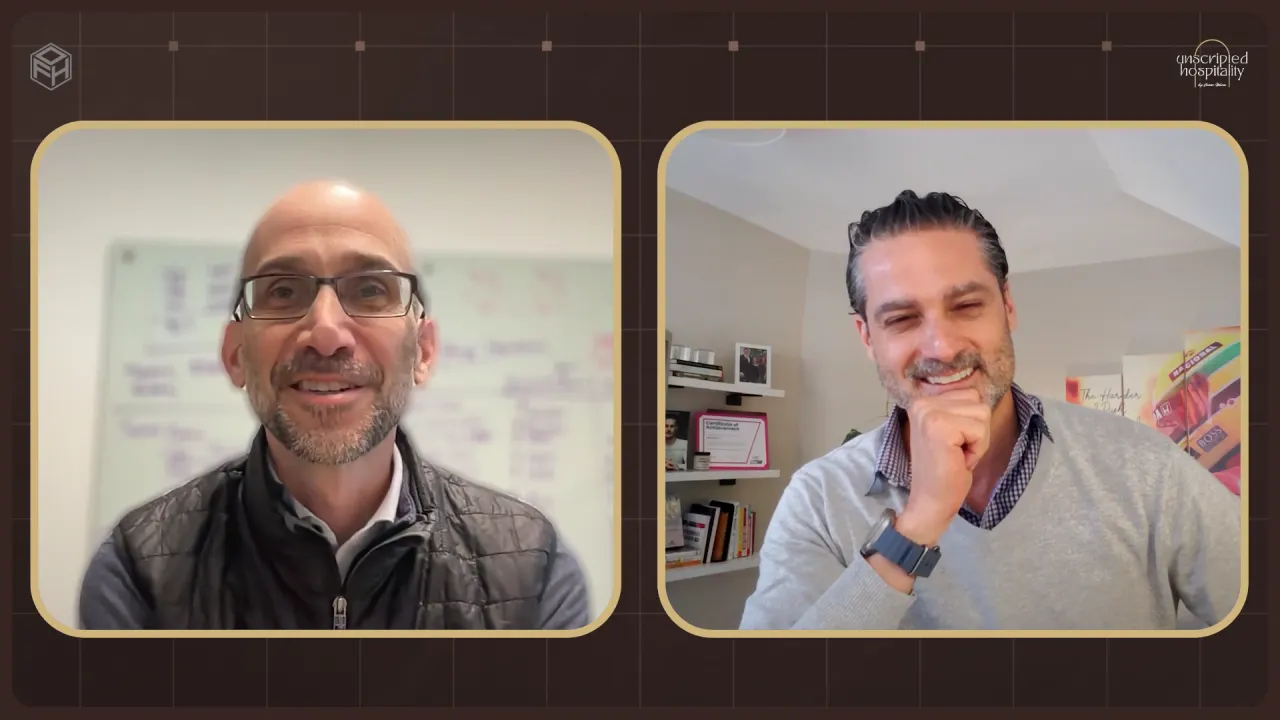
The lessons come from Stuart Brown, Executive Director of the Inspire Brands Foundation, the charitable arm of a group of six restaurant brands. His foundation runs Spark, a campaign that began as an event with grants and has grown into a year-long accelerator for nonprofits that work with young people.
What workforce readiness means, and where it starts
Brown draws a sharp line between two terms. Workforce development is what happens to someone once they have a job and have stepped into a career. Workforce readiness, as his team defines it, is everything that happens before that. Once people are hired, AI training for employees is part of that development.
His reasoning is a chain of why questions. A nonprofit gives children meals because fed children pay better attention in school. Paying attention helps them graduate from high school. Graduating makes them more likely to move into a trade or go to college, and both make a successful career more likely. Whether the input is meals, mentors or access to sports, the long-term outcome is the same: a young person who gets a job and does well in it.
That framing matters for anyone designing workforce readiness programs. The partners worth backing are not only job-training schemes. Any organization that keeps a young person on track toward finishing school and finding a first job is doing readiness work.
Why hospitality is a natural home for workforce readiness programs
In Brown's view, the hospitality industry holds a special position in the economy. For many people it is the entry point into what it means to be a professional, and into the idea of a career rather than just a job. He accepts that some people take a hospitality job for a season. He also sees a real path upward.
“We do firmly believe that there is an incredible career for people to jump in at the entry level and move all the way up to the C suite.”
Stuart Brown, 29:12
That is why he calls it a win for both sides. Helping more young people become ready is the right thing to do for every child who passes through a partner nonprofit, and it also gives the industry more people who can step into these careers. Attracting them is where hospitality recruitment comes in, starting with what candidates really want.
From one-off grants to a year-long accelerator
The first years of Spark looked like many corporate giving efforts: an inspiring event and grants for organizations. Brown says the team was proud of that, but it could also see a gap. There is only so much money, so the question became what could have an outsized and more lasting impact than writing checks.
The answer was to turn the program into a year-long accelerator. A small group of nonprofits is selected, and the company brings its wider ecosystem to them: suppliers, franchisees, team members and the agencies it already works with. The logic is simple economics:
- Small nonprofits rarely pay for a branding, pitch or event consultant on their own.
- With a cohort of nonprofits in one room, that fee becomes pennies per organization.
- Nonprofits leave better equipped to raise money, operate more efficiently and have more impact.
- The funder spends a year with each leadership team instead of judging an application and a thirty-minute call.
That last point is easy to overlook. At the end of the year the nonprofits pitch for more funding, and by then the foundation knows their strengths, weaknesses and plans far better. Brown calls it a bit of a cheat code: the money is better spent because the decision is better informed. The goal, he stresses, is not to put in fewer dollars but to get the most out of every resource.
Why the manager on the floor has the biggest ripple effect
A foundation can fund readiness, but Brown argues it cannot replace good leadership at work. He points to a business book that calls management the most noble of professions, because people go home as better parents, coaches and volunteers depending on how they were led during their eight to ten hours at work.
He makes the point with simple arithmetic. Take a restaurant with 70 staff. If each has a spouse and two children at home, that is 280 people. If each of those has four or five people close to them, one healthy workplace reaches roughly 1,400 people. Multiply that across thousands of locations and, in his words, the ability to drive culture and change is astronomical.
“When you're a good manager, there's nothing the foundation can do that can compete with what you're doing because you're so hands on day to day with those people.”
Stuart Brown, 15:12
The flip side is uncomfortable for any company with a foundation. If team members are not treated well and do not love coming to work, Brown says, the charitable work will look inauthentic and irrelevant. He also sees the foundation as part of the culture itself: one of the reasons people are proud to work for the company and choose to stay longer.
Pairing career success with community significance
Brown frames the employee side of workforce readiness programs with a lesson he heard in graduate school. In your twenties, thirties and forties, the keyword is success. Around fifty, many people realize the keyword is significance. The speaker's advice was not to wait.
“What I'm telling you is that we want to be a resource so that as you're pursuing success, we can bring the significance in parallel.”
Stuart Brown, 10:53
His point is that many people plan to do these things in series: make money first, give it away later. Most never reach that stage. A company program that offers pathways, mentorship and short impact roles lets employees pursue both at once, which is also a reason for them to stay. A hybrid hotel that mixes students, guests and neighbours shows the same idea in one building.
How to start a workforce readiness program in hospitality
Brown does not offer a template, but his experience translates into a practical checklist for any hotel group, restaurant company or hospitality supplier:
- Define readiness broadly, and support partners who keep young people on track toward school completion and a first job.
- Bring more than money: open your offices, expertise, suppliers and agency relationships to the nonprofits you back.
- Work in cohorts, so expert help that a single small nonprofit could never afford becomes affordable.
- Stay close for a full year, so funding decisions rest on knowledge rather than an application form.
- Build for longevity, because a program that disappears after a few months changes little.
- Look after your own workplace first, because your managers reach more people than your grants.
You can watch the full conversation or explore more candid interviews in the Unscripted Hospitality series.
Frequently asked questions
What are workforce readiness programs?
Workforce readiness programs prepare people for work before they have a job. Stuart Brown of the Inspire Brands Foundation separates this from workforce development, which starts once someone is employed. In his definition, almost any nonprofit that helps children stay fed, in school and on track toward graduation is doing readiness work, because the long-term outcome is a young person who gets a job and does well in it.
Why should hospitality companies invest in workforce readiness?
In Brown's view, hospitality is the entry point for many people into professional life, with a real path from entry-level roles to the C suite. Helping more young people become ready is good for the children that nonprofits serve, and it gives the industry more people who are ready to start a career. The business case and the community case point the same way.
How is a nonprofit accelerator different from giving grants?
A grant is often decided on an application and a short call. An accelerator spends a year with a cohort of nonprofits and brings in expertise such as branding, pitching and event support that small organizations rarely buy on their own. Brown says this stretches resources further and gives the funder far better insight before it decides on larger grants.