






















Hotel housekeeping: clean to dirty, every time
Alon Shkuri · 19 Oct 2026 · 6 MIN READ
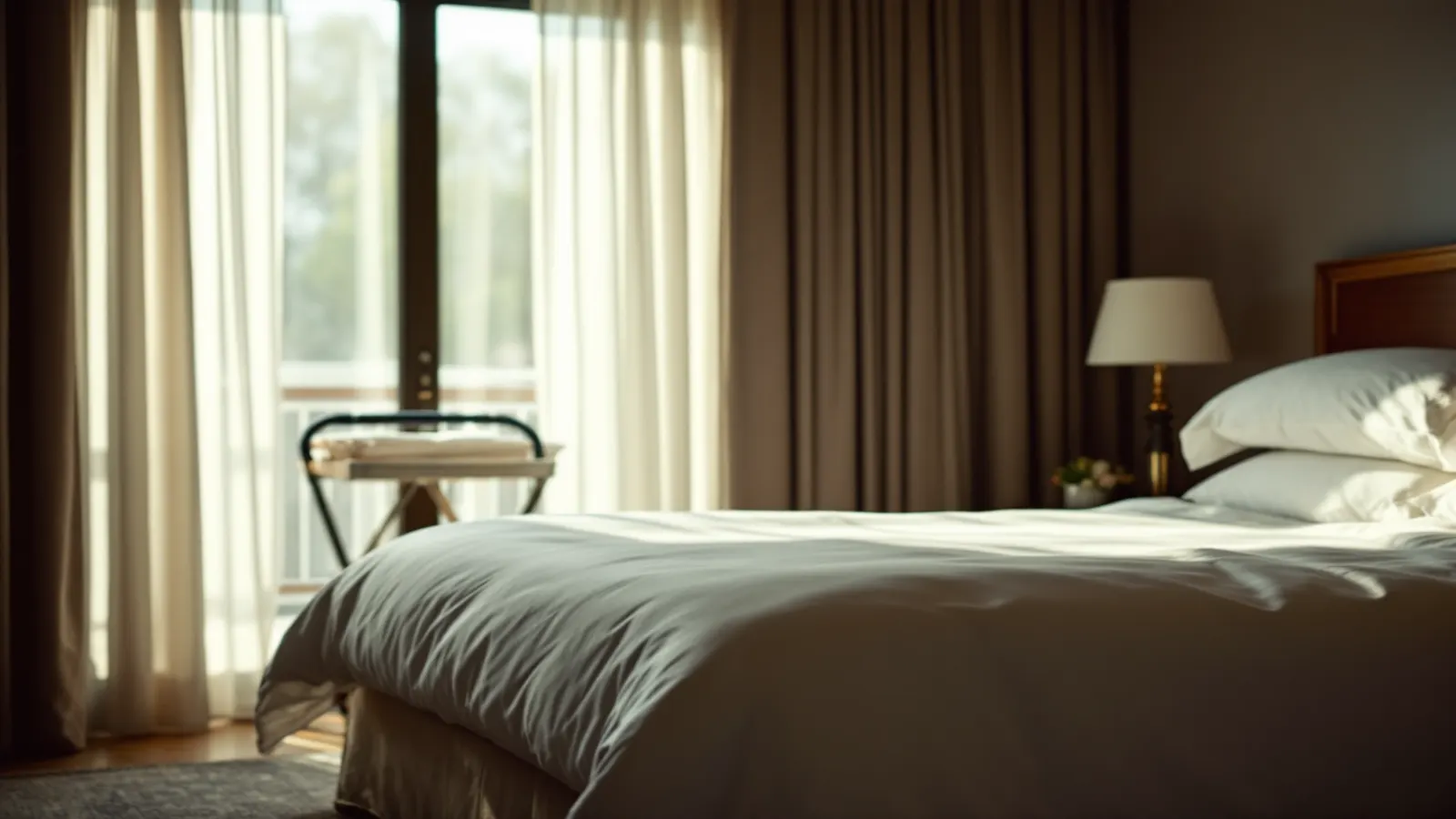
What makes hotel housekeeping work well, and why do guests only notice it when something goes wrong? A reliable room cleaning process decides whether a room can be sold at all. Yet the details that make the difference, such as the order of the work, the line between clean and dirty tasks and the way a team is led, are easy to lose on a busy day.
Denise Gru, founder and housekeeping specialist, has worked in housekeeping since around 2009 and now reviews hotel teams from the inside. In a German-language conversation she explained what a well-run cleaning routine looks like.
Why hotel housekeeping is a profession, not a side job
Housekeeping is often treated as something anyone can do. Making a bed properly and cleaning from top to bottom sound simple, and most people believe they can already do it. Denise learned otherwise. She came from selling office furniture and started as head housekeeper in a family-run five-star hotel, where a team of mostly long-serving women taught her the craft. Her conclusion after those first years: housekeeping is a real profession.
“Man kümmert sich und es geht auch immer darum, letztendlich diese wichtige Arbeit als vital für jedes Hotel zu sehen, denn tatsächlich nur saubere Zimmer können verkauft werden.”
Denise Gru, 4:50
(Translated: “Everyone cares for the place, and it is always about seeing this important work as vital for every hotel, because in the end only clean rooms can be sold.”)
Clean to dirty, never the other way round
The most important rule in room cleaning is to keep clean and dirty work apart. When a hotel asks Denise to review its housekeeping, the first thing she does is watch the team at work, and mixing the two is the most common fault she sees. Stripping used bed linen counts as dirty work. Reaching straight for fresh linen afterwards, without washing hands, disinfecting or changing gloves, risks contamination. In her view, how clean a room really is depends heavily on how strictly that separation is kept.
She gives a concrete example from a recent visit. A housekeeper cleaned the toilet with the pink cloth, worked from the bottom up and then, perhaps stressed by being observed, used the same cloth on the hairdryer hanging nearby. The right sequence is the reverse: start the bathroom with a clean, dry cloth, including the hairdryer, and finish with the toilet and the pink cloth at the very end.
“Es geht immer darum, letztendlich von sauber zu schmutzig zu reinigen und nicht umgekehrt.”
Denise Gru, 22:57
(Translated: “It is always about cleaning from clean to dirty and not the other way round.”)
The basic rules are simple to write down and easy to forget on a busy day:
- Keep clean and dirty tasks apart, and wash or disinfect hands or change gloves when switching between them.
- Work from top to bottom.
- Give each cloth its own zone; the toilet cloth is used for the toilet only.
- In the bathroom, move from the cleanest surfaces to the toilet, which comes last.
- Run toothbrush glasses through the dishwasher instead of wiping them out with a cloth.
Under stress these reflexes slip. People zigzag through the room, forget a pillowcase, leave towels unchanged or miss the glasses. At one company where Denise worked, the whole hotel chain had its room cleaning certified by TÜV, with swab samples showing whether a room had been cleaned hygienically. Some hotels go further and let guests skip cleans through green housekeeping programmes.
Hotel standards turn a clean room into a guest-ready room
Cleanliness is only the starting point. Denise also looks at what she calls the bearing of the room:
- How does it smell, and what first impression does it give?
- Do the curtains look inviting?
- Does the bed make you want to lie down?
- Has the soap dispenser been wiped?
Every hotel can define its own standards, from cleaning routines to hotel room design for better sleep. What matters is that the whole housekeeping team, and ideally the whole hotel team, knows them well enough to apply them. For her, cleanliness is not a standard but a must. Only when the hotel standards are applied on top is a room truly guest-ready, ideally by check in. That is the promise a hotel makes to every guest, and guests are quick to see when it is broken.
“Gesehen wird allerdings, wenn da jemand etwas nicht getan hat, zum Beispiel ein Bett nicht gemacht wurde oder eine Toilette nicht gereinigt wurde.”
Denise Gru, 7:46
(Translated: “What does get noticed is when someone has not done something, for example a bed that was not made or a toilet that was not cleaned.”)
Planning for the days that go wrong
Good routines on quiet days are what carry a team through busy ones. When processes are in order and the laundry rooms are tidy, a team can handle even high occupancy. The real test, in Denise's example, is the day with 60 percent departures, a coach with 40 arrivals, three people off sick and two sent home with headaches. That is when preparation, expertise and stress resilience decide whether rooms are ready for check in.
Her advice is to build an emergency kit, a plan B or C, after every day that went badly. Involve the front office as soon as it is clear rooms will be late, so they can look after waiting guests. Knowing how to handle guest complaints helps when the wait gets long. Know at every moment where team members are, how they are doing and who needs support. That responsibility sits with the head of the department, who has to apply the standards fairly but firmly and stay close to the team.
What housekeeping teams need from their managers
Strong housekeeping usually goes together with strong leadership. The hotels that call Denise about their hotel housekeeping are typically the high performers with strong guest reviews. There, the hotel manager knows every name, knows where people come from and sometimes helps collect laundry or strip beds.
Within the team, what makes the difference in Denise's experience is attitude: a wish to succeed, self-motivation, initiative and a desire for responsibility. Managers can support that in practical ways:
- Hold regular development talks, which requires knowing what each person actually does.
- Offer a look at other departments such as reception or the kitchen; in one hotel where she worked six years, some staff held three or four roles.
- Ask short, direct questions. In one hotel she held 60 brief talks with three questions: how are you, what do you not like, and what would you stop right away if you could.
- Match tasks to strengths, whether someone prefers routine or variety.
- Handle mistakes by agreeing how to prevent them, not by adding blame.
Where hotel housekeeping is heading
New hotel rooms keep opening, so the work will not run out. The challenge is to retain people by living the values a hotel writes on its website. Denise also sees robots and digital tools as ready for wider use. Her suggestion is to test a robot on one floor while another floor works as usual, then compare. You can watch the full conversation for her complete examples.
Frequently asked questions
What is the correct order for cleaning a hotel bathroom?
Denise Gru recommends working from clean to dirty and from top to bottom. Start the bathroom with a clean, dry cloth for surfaces such as the hairdryer, then move to the sink and shower, and finish with the toilet using the cloth reserved only for it. Reversing that order, or reusing a toilet cloth elsewhere, spreads dirt to surfaces guests touch.
Why should housekeepers separate clean and dirty tasks?
Stripping used bed linen and then handling fresh linen without washing hands, disinfecting or changing gloves risks contamination. In Denise Gru's view, the quality of a clean room depends heavily on how strictly that separation is kept. The guest may never see the mistake, but the result cannot be right when the cleaning steps run into each other.
How can hotel housekeeping prepare for very busy days?
Keep processes and laundry rooms in order on quiet days, so the team arrives prepared. Build an emergency plan with a plan B and C for days with many departures, early arrivals and staff absences. Tell the front office early when rooms will not be ready for check in, and keep track of where each team member is and who needs help.
