HR in hospitality: why it belongs at the executive table
Alon Shkuri · 19 Oct 2026 · 6 MIN READ
Many hotel owners still see HR in hospitality as the department that handles contracts, payroll and the occasional dismissal. Yet staff shortages, new expectations from employees and the arrival of AI all land on the people side of the business first. That raises a practical question for any operator: what should HR actually do, and where in the company should it sit?
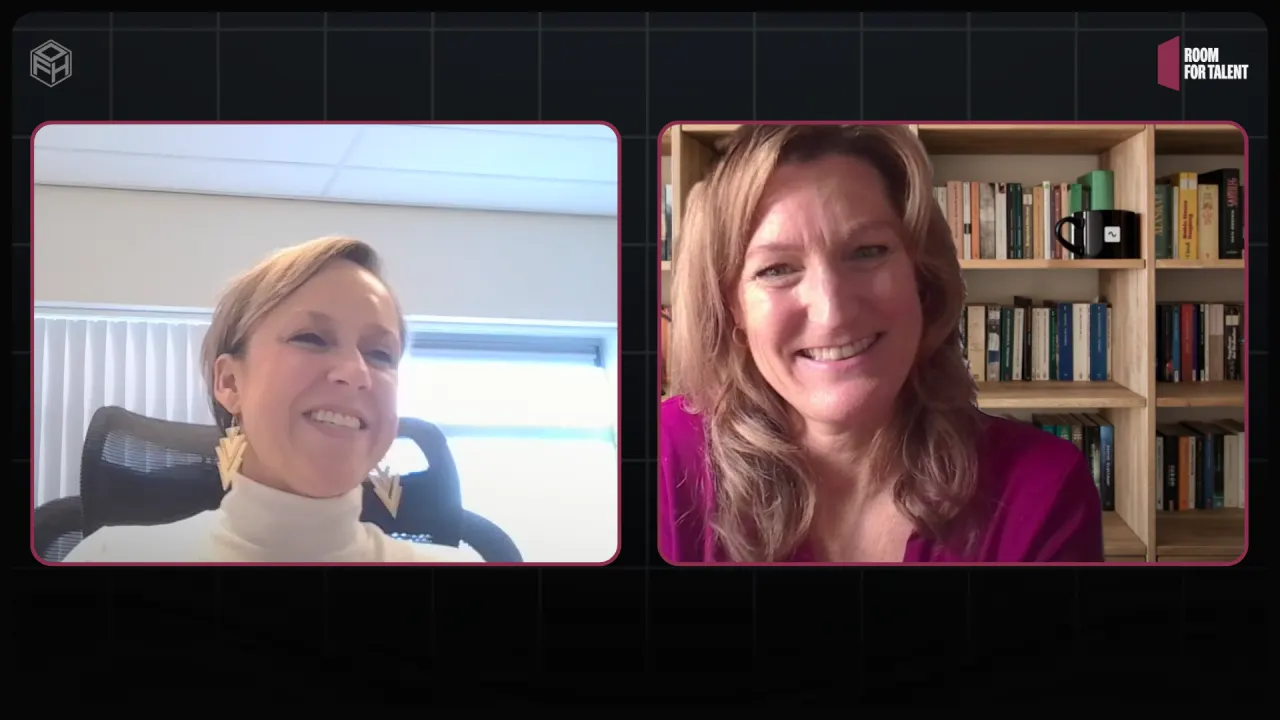
Nicole Bon, an HR director who leads people and culture at Corendon, has a clear answer. She came back to hospitality in 2019 after years in casinos, pharma and fintech. Her message to hotel leaders is that HR deserves a place in the executive boardroom, because it can make a real difference in how successful a company becomes.
Why HR in hospitality belongs at the executive table
In Bon's view, the value of HR grows with the level at which it works. Simply running an HR department is not what creates impact; shaping strategy is. When HR sits with the executive team, it can influence workforce planning, how new technology is adopted and how the company treats its people when times are hard.
“I can really drive strategy and be important for people in their career, but also for the company itself.”
Nicole Bon, 6:23
The COVID period showed what that means in practice. In February 2020 a large recruitment event for a new hotel on Curaçao brought in more than 150 people, and soon after, they all had to be let go, on an island without the social security system of the Netherlands. Her lesson from that time: even when a decision is unavoidable, HR decides whether it happens in a respectful way, with guidance and support. That is a strategic choice, not an administrative one.
From contracts to culture: how the HR role has changed
Decades ago, Bon says, HR was largely transactional: make sure people sign a contract, stay within the law and get paid at the end of the month. Much of that work can now be delivered by systems. Where HR adds value today is in keeping the culture strong and clear to everyone.
The relationship between employer and employee has changed with it. In her experience it is no longer a simple exchange of work for salary. People want to feel seen and heard, and they ask what a company brings them personally. Younger generations look for employers with sustainability on the agenda and want to know whether a company gives enough back to the world. A clear employer branding strategy shows them what the hotel stands for. There is no one-size-fits-all answer either: even hotels within the same group differ, so good HR in hospitality is often tailor work.
How to make workplace culture something people feel
A mission statement on the wall does not create a culture. Bon's test is whether a new employee can feel it on their first day in the hotel.
“I think culture is something that employees should feel and I think that HR is playing a very important role in keeping that alive and make sure it's embedded in everything that we do.”
Nicole Bon, 35:55
She describes culture as a shared responsibility that has to run from the top down and from the bottom up. At Corendon, part of the mission is the idea of being a family, and one of the biggest compliments, she says, came from employees telling HR that it really feels like one, even when they could hardly explain why. The hotels still select new people on the basis of that DNA. For senior roles, hospitality executive search applies the same test of culture fit.
When a culture comes under pressure, she starts from a few principles:
- Transparency, so nobody feels that decisions are made behind their backs or that HR has a hidden agenda.
- Fairness in pay and in how people are treated: what is done for one team should be done for the others too.
- Early action on negative behaviour, even from a small group, together with the line manager.
- Visible presence, so employees stop seeing HR as only the hire and fire department.
“I always want to be very transparent and people don't feel something is done behind their backs or I have a hidden agenda.”
Nicole Bon, 38:45
She warns leaders not to underestimate the third point. If a small group that only serves its own interests goes unaddressed, everyone else hears that this behaviour is allowed.
Using AI and a tight labour market to rethink roles
With the labour market as tight as it is, Bon believes HR in hospitality should challenge managers each time a vacancy opens: is this position still needed, or can the need be met in a smarter way? Back office work such as rostering and scheduling is, in her view, a clear example of work that AI or workforce planning tools can now take over. That frees people to focus on the guest journey.
Where she sees room for AI in hotels:
- Repetitive back office tasks behind the scenes.
- Check-in, including the digital and online check-in many hotels already offer.
- Financial procedures such as payments.
- Learning more about guests, to offer a more tailor-made guest experience.
HR's job is to educate teams to use AI in a responsible and ethical way, and to keep asking why something is handed to AI and what the company wants to gain from it. At the same time she is firm that AI cannot replace the workforce in hospitality, because the personality each person brings to guests is what makes the experience authentic.
Retention starts with listening to individual needs
Getting people in is one challenge; keeping them is the bigger one. Bon's approach is to think out of the box and to ask what really drives staff and managers. Not everything can be made to measure, but people are in different phases of life. New parents, for example, may need more flexibility around working hours or a different split of their hours. Listening this way is also key to preventing employee burnout.
She also points to close collaboration with schools, working with many students, and making room for people with some distance to the labour market. And she sees the industry itself as a strong argument: hospitality is a place to learn on the job. Night shifts, angry guests, crisis situations and colleagues from many nationalities teach people to solve problems on the spot. Her advice for growing talent is to give people trust while staying at their side as a coach.
You can watch the full conversation with Nicole Bon, or find more on hiring and culture in the Room for Talent series.
Frequently asked questions
What is the role of HR in hospitality?
HR in hospitality has moved beyond contracts, legal compliance and payroll, much of which systems can now handle. In Nicole Bon's view, its main value today is keeping the culture strong and felt, guiding workforce planning and the responsible use of AI, and supporting people fairly, including in a crisis. That is why she argues HR belongs in the executive boardroom.
Why should HR have a seat at the executive table?
Because decisions about people shape whether a hotel company succeeds. At executive level, HR can drive strategy, challenge whether a vacancy is still needed, guide how technology is adopted and make sure hard decisions, such as letting people go during COVID, are carried out with respect. Bon's one message to hotel leaders is to put HR in the boardroom.
Can AI replace hotel staff?
Not in Bon's opinion. AI can take over repetitive back office tasks, support check-in and payments and help hotels learn more about their guests. But the personality each employee brings to guests is what makes hospitality authentic, and the flexibility and resilience of hotel teams cannot be replaced. HR's task is to teach teams to use AI responsibly and ethically.
How can hotels keep their staff longer?
Start by listening to what each person needs, since people are in different phases of life. New parents may need more flexible hours, for example. Bon also recommends thinking out of the box, working closely with schools and students, opening doors to people with some distance to the labour market, and keeping the culture transparent and fair so employees feel seen and heard.