





















Independent luxury hotel: why service beats facilities
Alon Shkuri · 20 Oct 2026 · 6 MIN READ
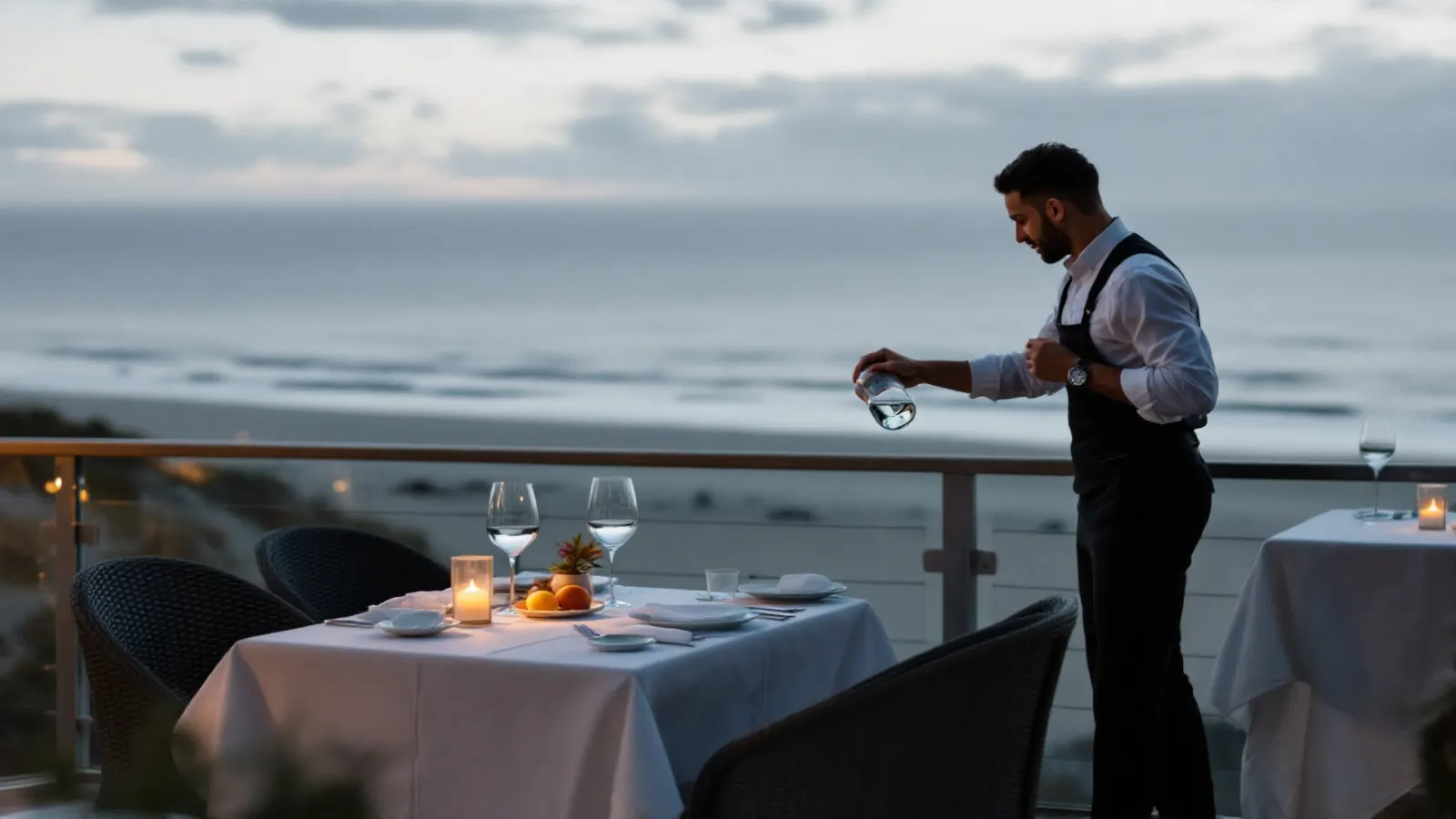
Every independent luxury hotel runs into the same question sooner or later: how do you compete with large groups that can always add one more pool, one more treatment or one more rare bottle of champagne? The answer from a hotelier who has spent more than three decades at one five-star property is surprisingly simple. You stop competing on things and start competing on moments that guests remember for the rest of their lives.
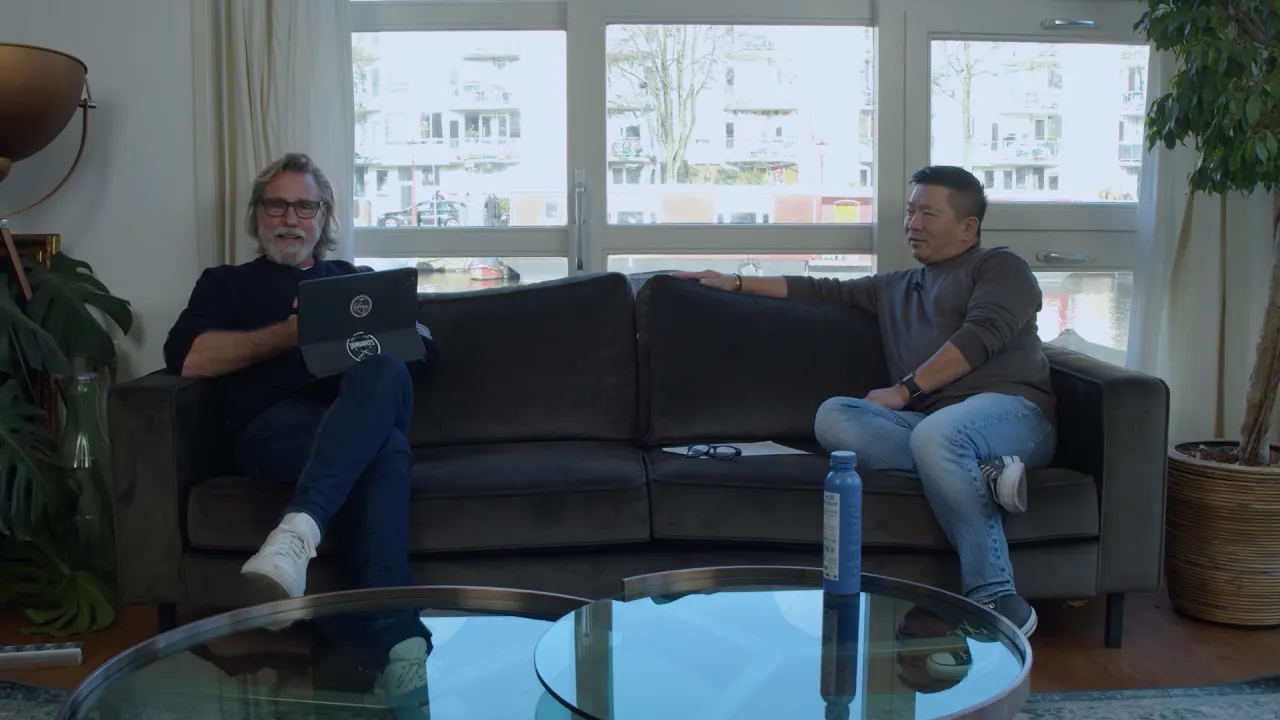
Stephan Stokkermans is Managing Director of a 137-year-old, family-owned hotel directly on the beach on the Dutch North Sea coast. He joined in 1993 as a MICE sales manager after booking a large conference there, and he never left. He married the owner's daughter, two of their daughters now work on the property, and after nearly 32 years he has a clear view of what luxury is and what it is not.
What luxury really sells: service over facilities
In the view of Stokkermans, hospitality has two sides. One side is facilities: the swimming pool, the turndown service, the level of comfort you can point at. The other side is service. Facilities are what most people call luxury, but for him true luxury lives on the service side. A related article looks at the facility side through hotel room design for sleep.
He draws a sharp line between meeting expectations and exceeding them. Meeting expectations is luxury. Exceeding them is true luxury. That means finding what he calls the hidden spot of a guest, the place where you can surprise them and create a memory that lasts. In his words, it has nothing to do with exclusivity. It is about touching people by the heart and winning them for life.
When he describes what sets his own hotel apart, he names a combination of three things:
- A long history, with the third and fourth generations of the same families still coming to stay.
- A location directly on the beach, with no boulevard in between.
- A family that owns and runs the hotel with love and wants to pass it on to the next generation.
Put together, he calls it a very nice cocktail. Some guests who are now in their eighties learned to walk in the hotel. None of that can be copied by adding a new facility. A related article looks at family business succession in hotels.
Exceeding expectations by reading unspoken needs
If true luxury means exceeding expectations, the core skill is noticing what a guest needs before they say it. Stokkermans returns to this idea when he talks about where the luxury segment is heading:
“Again, going back again to true luxury is how can you capture that unspoken needs of a guest.”
Stephan Stokkermans, 25:09
He adds that this applies whether the guest is a millionaire or someone staying for the first time who saved for a year to pay for the room and the experience. That point matters for any independent luxury hotel.
His favourite moments as a leader show what this looks like in practice. He likes to stand on the sideline and watch the dynamics between his team and the guests. The hotel has spots where he can look into the event rooms without being seen, and seeing everything run smoothly makes him proudest. A related article looks at the hotel doorman and first impressions.
Why the race for bigger and more expensive is a dead end
Many high-end properties chase the same things: bigger, rarer, more visible on social media. Stokkermans calls it a rat race that ends in a dead end street. You can always go further with the price of a bottle of champagne, a kilo or two of caviar or the next type of linen, but someone will always go further still.
His view is that independents cannot keep up with the big chains in that race, and do not need to. There is a lot of room for those who can create individual experiences that have nothing to do with price.
Standards are a guideline, the people behind them are the service
Every luxury hotel runs on standards of operation, and they get stricter as the level of service rises. Stokkermans does not dismiss them. He sees them as a good guideline that helps in many situations. But his main advice to anyone starting in hospitality is to stay yourself, whatever level of service you work at.
“At the end, those are standards, but it's most important you stay human behind the standards.”
Stephan Stokkermans, 20:41
The reason is practical. Sooner or later a situation comes up that no standard covers, and then the human part has to take over. His hotel learned this when the relatives of a well-known guest who had passed away asked whether they could hold the ceremony there, instead of the traditional Dutch setting with cold coffee and dry cake. Then they asked whether the coffin could be there as well.
There was no procedure for that. What made it work came down to a few clear steps:
- The family behind the hotel came together and agreed that, as a hospitality business, they would do it.
- They made sure it was not confronting for other guests who were not part of the funeral.
- They prepared the team for the fact that they were going to do something different.
The result, in his words, was a very rewarding part of hospitality: giving people comfort, pride and a good feeling on a sad day.
High tech, high touch in an independent luxury hotel
For future leaders, Stokkermans has a wider message. Hospitality is one of the oldest industries in the world, yet in his opinion it still does not get the respect that many other industries have. He believes the industry has to do better, on sustainability and on social responsibility towards staff, and has to become truly professional.
His answer is high tech, high touch. Anything that makes work dull or repetitive for staff members should be handled by technology, even robots, so that people can focus on guests.
“We remain with the fact that we get the human factor back on track because that will be the biggest asset for the future.”
Stephan Stokkermans, 23:15
For an independent luxury hotel this is a useful filter for any technology decision: does it free up time for the moments guests remember, or does it replace them? Technology should raise the quality of service, he agrees, but always with the human touch. You can watch the full conversation for his stories from more than three decades at one hotel, or find more interviews with hotel leaders in the Lead the Experience series.
Frequently asked questions
What makes an independent luxury hotel stand out?
In the view of Stephan Stokkermans, an independent luxury hotel stands out through its service, not its facilities. A long history, a unique location and an owning family that cares can form a mix no chain can copy. The real difference comes from exceeding expectations and creating personal moments guests remember for life, rather than adding ever more expensive extras.
What is the difference between luxury and true luxury in hospitality?
Stokkermans describes luxury as meeting the expectations of a guest, mostly through facilities such as pools and turndown service. True luxury, in his words, is exceeding those expectations: finding the hidden spot where you can surprise a guest and create a lasting memory. It has nothing to do with exclusivity and everything to do with touching people by the heart.
How can hotel staff respond to unspoken guest needs?
By paying attention to the person rather than only the procedure. Stokkermans sees standards as a useful guideline, but says staff should stay human behind them, because many situations are not covered by any standard. Leaders can help by watching how teams and guests interact and by saying yes to unusual requests when they can be handled well.
Should luxury hotels use technology to replace staff?
Not in the view of Stokkermans. He favours high tech, high touch: use technology, even robots, for work that is dull or repetitive for staff members, so that people have more time for guests. Technology should raise the quality of service, but always with the human touch, because he sees the human factor as the biggest asset for the future.
