






















Private members club service: what hotels can learn from it
Alon Shkuri · 19 Oct 2026 · 6 MIN READ
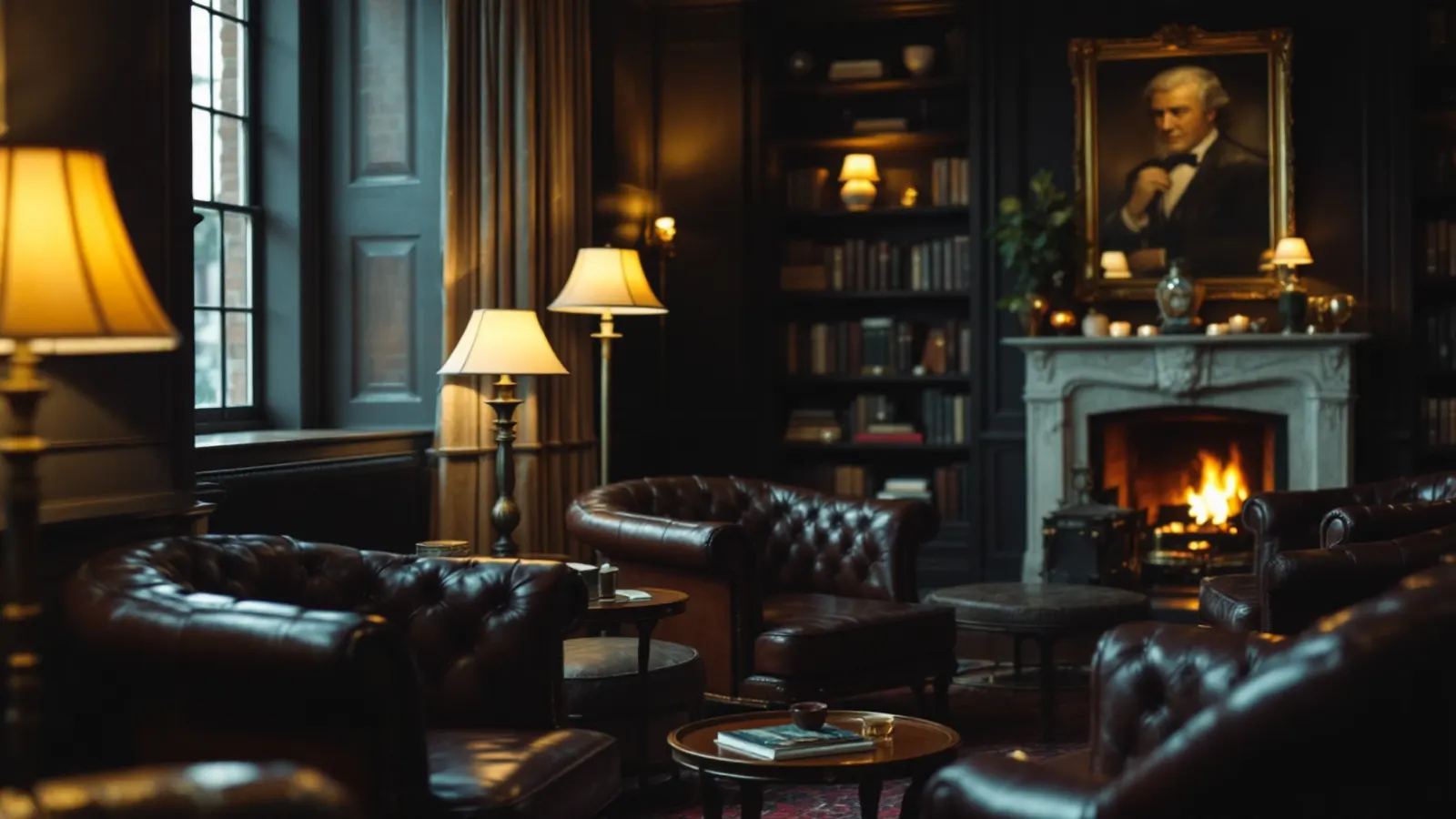
What does a private members club do that most hotels do not, and can a hotel borrow it without selling memberships? The club model forces a higher standard on three fronts: the guest has already paid, comes back often and expects to be known. Each of those conditions changes how a team welcomes, remembers and looks after people, and each holds a lesson for any hotel that wants to feel generous rather than merely efficient.
Nikolaj Tamakloe has seen the model from the inside. Born and raised in Denmark to parents from Ghana, he found hospitality by chance as a barista, studied hospitality at Oxford Brookes University and joined a management training programme with a large restaurant group in London. He later helped bring Soho House to Copenhagen and now runs his own consultancy, Tamakloe Copenhagen, where he turns owners' concepts into daily operations.
Why a private members club raises guest expectations
The first difference is money that has already changed hands. A walk-in guest decides at the table or the front desk whether the experience was worth it. A member made that decision in advance and measures every visit against it. In Tamakloe's experience, that makes the member the more demanding guest, and he kept reminding his team of it.
“What they have to remember is that the guest coming through the door or the member coming through the door might be more demanding than just your normal guest because they've actually already paid.”
Nikolaj Tamakloe, 21:46
Because the transaction has already happened, members expect the food to be perfect, the drinks to be good and a smile at reception, all at once. Any hotel that sells stays in advance faces a version of the same expectation: there is no later moment in which the service can still win the guest over, so every touchpoint has to hold.
Regulars and service nobody has to ask for
The second difference is frequency. A public venue gets a handful of regulars; a club is full of them. Tamakloe calls this the beautiful part of the model, because staff get to know members well enough to lift service to a level a public venue only reaches for a few guests. One member always took two sugars in his coffee. He never had to say it; it was simply there. It is the same instinct behind a good hotel concierge service.
That kind of intimacy is fragile at scale. Tamakloe thinks something shifted after COVID, partly because the group expanded. More houses means more members who travel between them, and a much larger pool of regulars that each team needs to remember and cater to. The lesson for hotels is that recognition does not happen by itself. It depends on staff who genuinely know returning guests, and it gets harder as the number of people to remember grows.
Luxury is subjective, attention is not
Tamakloe calls high end luxury a fluffy word. For one guest it is a bell captain opening the door and carrying the bags; for another it is sitting on a beach with toes in the sand, eating a lobster straight from the sea. What links both, in his view, is that the experience is genuine and that service is anticipated rather than requested.
He learned to read guests from an early restaurant manager. A group that just wants a good time does not want to study the menu. Tell them about the fresh mussels that came in this morning, suggest steaks from the grill while they look at the wine list, and they will usually order exactly that. Going the extra mile, he says, often costs nothing. It starts with asking what is easiest for the guest instead of what is easiest for the waiter, the bartender or the restaurant manager.
Building a community before the doors open
In a club, the work starts long before opening day. For the Copenhagen house, Tamakloe's task was to build a community of creative, like minded people in Copenhagen and Oslo, host events and create traction around the house that was coming. He contrasts that slow build up with the more common approach of a big marketing push followed by an opening day.
For a hotel opening, the same idea means treating the first guests as a community to gather over time, rather than an audience to reach with one campaign. A hybrid hotel that welcomes neighbours takes this idea even further.
When faster service stops working
Every hospitality business feels pressure to serve faster and sell more. Tamakloe accepts that every business optimises, but says every business also reaches a breaking point. You cannot keep adding chairs until nobody can move and the kitchen cannot deliver. Restaurants that became institutions, in his view, did not squeeze a little more out each year. They kept serving the same food in the same ambiance for twenty years.
“I would love to deliver hospitality that actually takes you out of that every day.”
Nikolaj Tamakloe, 16:28
He sees a two hour dinner as a tranquil moment, a step out of a busy life into a universe where someone takes care of you. When a venue chooses that route and charges for it, the story it tells about itself carries the decision.
“I think if you are really good and strong in narrative about what you actually deliver, people will accept it one or the other.”
Nikolaj Tamakloe, 17:26
How to bring private members club generosity into a hotel
Since returning to Denmark, Tamakloe has worked with private owners who arrive with an idea, such as a hotel that should feel theatrical. His role is to translate that idea into a working day. That is where boutique hotel branding becomes daily practice. Do you call them hotel rooms or bedrooms, if the place should feel like a house? What should the first interaction with a guest look like? The lessons he carries over from the club model are practical:
- Replace the textbook check-in question about the flight with a genuine opener, then move on to passport and credit card.
- Be generous by default. Charging separately for a bottle of water or Wi-Fi is, for him, not hospitality.
- Include the small things. A fully stocked, included minibar costs little at cost price; he guesses only two in ten guests will empty it, and many will talk about it for a long time.
- Remove the awkward moments. Toiletries and a toothbrush in the room spare the guest a call or a walk to reception.
- Create small rituals people repeat to friends, like the evening martini made at the guest's door that the host remembers from a Soho House stay.
His long term wish is to open his own hotel and bring back what he calls old school hospitality, down to the big reservations book. To hear the stories behind each lesson, watch the full conversation, and find more operators on how they lead guest experience in the Lead the Experience series.
Frequently asked questions
What makes a private members club different from a hotel?
In Nikolaj Tamakloe's view, members have already paid before they arrive, so they expect perfect food, good drinks and a warm welcome every single time. At the same time, a club has many regulars, which lets staff learn preferences and deliver service before anyone asks. Both raise the standard compared with a public hotel or restaurant.
How do you build a community before a private members club opens?
For the Copenhagen opening, Tamakloe's task was to identify creative, like minded people in Copenhagen and Oslo, host events and build traction around the house that was coming. He describes this as a slow build up, very different from the common approach of one large marketing push followed by an opening day.
Can hotels offer more without raising costs much?
Tamakloe believes small gestures often cost little. His example is an included, fully stocked minibar: at cost price it is not a lot, he guesses only two in ten guests empty it, and the others talk about it afterwards. Charging separately for water or Wi-Fi, in his view, mostly irritates guests.
Why should service not always get faster?
He argues that every business reaches a breaking point where more chairs and quicker table turns stop working. Restaurants that became institutions kept their way of serving for decades. A long dinner can be a guest's tranquil moment, and if you are clear and strong in your narrative about what you deliver, he says, people will accept it.
