Artificial Intelligence in Hotels: Free Staff for Guests
Alon Shkuri · 19 Oct 2026 · 6 MIN READ
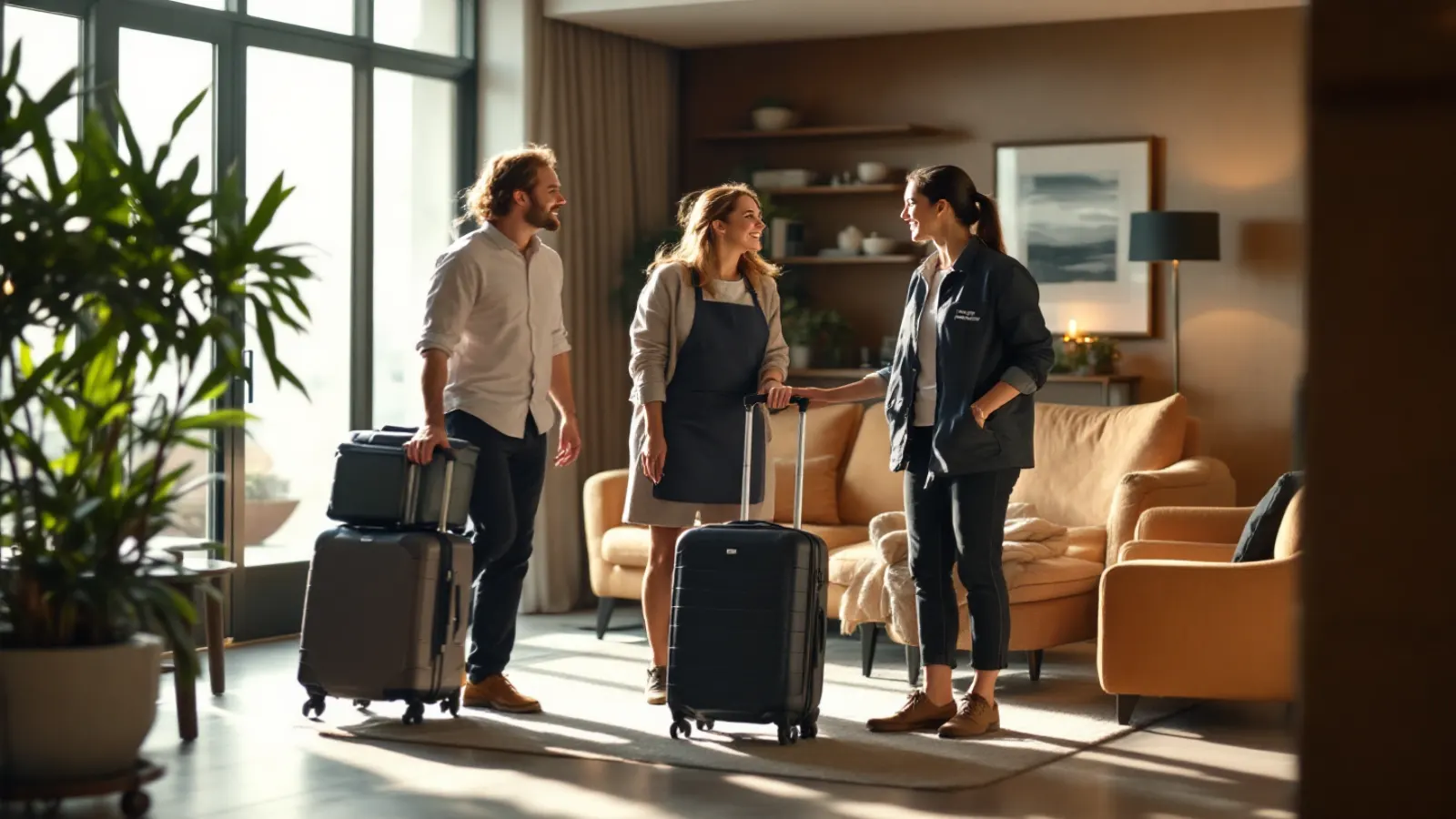
Most hoteliers who look into artificial intelligence in hotels end up with the same question: will it make the stay feel colder, or can it give the team more time for guests? The answer depends less on the software and more on what you decide your people should be doing with their day.
Nicoline Montanus, Director at Arq Hotels, has a clear position on this. In her view, digital tools belong behind the scenes, so that the people in front can do the part no system can do: make a guest feel seen.
Why artificial intelligence in hotels should support people, not replace them
In Montanus's experience, small hotels do a lot of the same tasks over and over again. Those repetitive jobs could be done far more efficiently in a digital way, and doing them by hand is, as she puts it, a waste of time. The point of saving that time is to give it back to the guest.
“It's more important to open the door to a guest and talk to them instead of do repeatedly things or tasks which can be done by AI.”
Nicoline Montanus, 29:06
She does not see digitalization as a threat to boutique hospitality. She sees it as a tool to support the human touch, and even as something that gives guests more comfort. Think of the arrival she describes: you walk into a lobby, wait seven or eight minutes in line, and nobody looks up. If the paperwork of check-in is handled digitally, the person at the desk is free to look up, say hello and start a conversation. A self check-in hotel takes that idea one step further.
What guests actually remember about a stay
Before deciding what to automate, it helps to be clear about what makes a stay excellent. Asked what a 10 out of 10 guest experience means to her, Montanus names two things: attention from the people who work there, and cleanliness.
The first is about being seen: staff who are happy to see you and give you a warm welcome. The second is less obvious. If a room is not properly clean, she says, you feel not acknowledged. That makes the housekeeping team as important to the guest experience as the front desk. Asked how she would spend 50k on one improvement, she picks a dinner out for the staff and better duvets and pillows, because the bed can make or break a stay.
None of these things are done by software. That is exactly why it pays to be precise about where technology goes. It should take work away from the people who deliver warmth and cleanliness, and never stand between them and the guest.
Which hotel tasks to hand to digital tools
Montanus's rule of thumb is simple: if a task is repetitive and a computer can do it, a person should not spend the day on it. Based on what she describes, these are the areas to look at first:
- Check-in admin, so the arrival becomes a welcome instead of a queue.
- Routine front desk paperwork that keeps staff looking at a screen while guests wait.
- Sheets and forms that a computer can fill out.
- Any task that is done the same way every day and adds nothing the guest can feel.
What stays human is equally clear in her view: opening the door, greeting the guest, the conversation at breakfast (which she calls the second moment in a boutique hotel where you can really talk to your guests) and the care that goes into a clean room.
Rethink the tasks you have always done
One of the more useful points Montanus makes is that AI is not only a way to do existing tasks faster. It is also a reason to ask why you do them at all. Hotels, she says, sometimes keep doing tasks because they have done them for 500 years. Bringing in AI forces a review: do we still need this task, can we do it more efficiently, or can we stop doing it altogether?
That review is where much of the value sits. When a team has to decide whether a task should go to a system, it also gets to decide whether the task should exist. The time that comes free can then go to more important things than filling out sheets, as she says, things the guest actually notices. The same review can turn a hotel call center from a cost into revenue.
Bring the team along before you change anything
New technology usually arrives together with change, and change is where many hotels lose the trust of their staff. Montanus knows this from both sides. Earlier in her career she worked at hotels that were taken over, and what she missed was simple human interest: how do you feel, what do you like most about working here? For a team, a takeover or a big change is frightening. People worry about whether they will still have their job next year and how they will pay their mortgage.
“When I step in a hotel, the first thing I do is just talk.”
Nicoline Montanus, 22:52
Her approach is to talk to the staff first, make them feel safe enough to share their worries, and build trust within the team before improving anything. The same logic applies to a digital rollout. If people believe a new system is there to replace them, they will resist it. If they see that it removes tasks they dislike and gives them more time with guests, they have a reason to make it work. Good AI training for employees helps them see that.
Behind this sits her view of what a hotel really is.
“Giving warmth to a building is quite hard because a building is not alive. So what makes a building alive is the people who are in it.”
Nicoline Montanus, 15:51
She has always respected leaders who made her feel important in the process of welcoming guests, and she wants her own team to feel acknowledged and valued in the same way. Technology that respects that is technology a team will actually use.
Where artificial intelligence in hotels is heading by 2030
Looking five years ahead, Montanus hopes guests will learn that digitalization is nothing to be scared of. She expects AI to take over a lot of tasks, and she hopes guests will come to appreciate the attention they get because of it. In her view, small boutique hotels are especially well placed here. With 20 to 40 rooms there is more time to talk to guests, and a small team that no longer spends its hours on admin can put that time into the personal service guests come for.
For anyone weighing up the role of artificial intelligence in hotels they run themselves, the lesson is to start with people and add tools where they free those people up. You can watch the full conversation or explore more interviews in the Lead the Experience series.
Frequently asked questions
What is artificial intelligence in hotels used for?
In the approach described here, AI is best used for repetitive admin such as check-in paperwork, routine front desk tasks and filling out sheets a computer can complete. The aim is to free staff from those tasks so they can open the door, greet guests and give the personal attention that makes a stay memorable.
Will AI replace hotel staff?
Not in the view shared in this conversation. Digitalization is treated as a tool to help people rather than replace them. A building is not alive, and the people in it are what give it warmth. Technology should take over routine work so staff have more time for acknowledgement, personal care and real conversations with guests.
What makes a 10 out of 10 hotel stay?
According to Nicoline Montanus, two things: attention from staff who are genuinely happy to see you, and cleanliness. A room that is not properly clean makes a guest feel unacknowledged, which makes housekeeping as important as the front desk. Good beds, duvets and pillows matter too, because they can make or break a stay.
How do you introduce new technology to an existing hotel team?
Start by talking to the staff before changing anything. Change makes people uncertain about their jobs, and uncertain people are not happy at work. Build trust first, let the team share their worries, and show that the new tools take repetitive tasks off their hands so they can spend more time with guests.