




















Hotel F&B: why hotels should think like a restaurateur
Alon Shkuri · 19 Oct 2026 · 6 MIN READ
Strong hotel F&B starts with a different question than most hotels ask. Not "how do we serve our in-house guests?" but "why would someone from the neighbourhood come here two or three times a week?" If your restaurant is quiet, your lounge half empty and your owners now judge you on total revenue per room, that question decides whether food and beverage drives profit or stays a cost line. Below: why hotel outlets lost their pull, four steps to a clearer concept, and one case with measurable results.
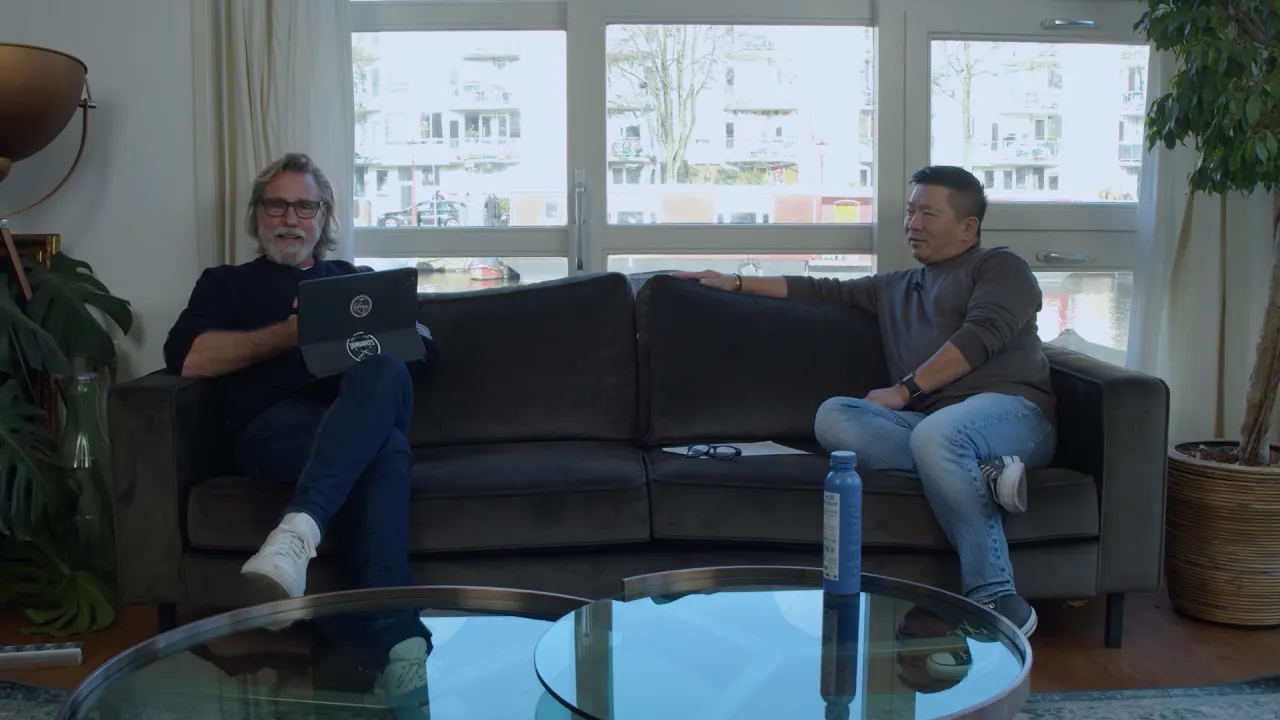
The approach comes from Scot Turner, Managing Director, who started in hotels, became hotel manager of the Intercontinental in London and then left to run independent restaurants. He has since opened over 40 restaurants and three hotels in 14 countries, and as COO of an investment business he oversaw 85 restaurants across 16 brands.
Why hotel F&B needs a restaurateur mindset
Many hotels treat their restaurant as an amenity: breakfast matters for satisfaction scores and meetings and events bring in the cash. A restaurant concept, in contrast, is built to pull people in from outside. After three years at the Intercontinental, Scot realised food and beverage was what drove him, and that the higher he climbed in hotels, the further he moved from restaurants, bars, teams and concepts. So he moved to Dubai and spent eight years in independent restaurants.
The moment the difference became clear was his first restaurant P&L. Below gross operating profit sat rents, rates, utilities and business tax, lines he had never seen in a hotel. Profit was suddenly much smaller. In his view that pressure forces independents to innovate more, tell their stories more and build a loyal local base, because there is no brand above the door and no hotel guests upstairs to fill the seats.
“That's what restaurateurs do. They focus on the local community. How do they get people coming back again and again? And that's the innovation part. They're always building, recreating reasons for guests to come back.”
Scot Turner, 3:06
Why hotel lounges and restaurants lost their pull
For years hotels were the place to meet, close deals and celebrate. Scot believes hotels had it too easy and did not evolve with the modern traveller. He describes lounges with tables that are hard to work from, no plugs for laptops, music that is too loud and tea or coffee at twice the price of the local coffee shop.
“That's why hotel lounges aren't busy anymore because they haven't evolved with what the guest now wants with their experience.”
Scot Turner, 6:39
That matters more now, because hotel F&B now has to make more of the money. According to Scot, TRevPAR has become the metric owners benchmark against, not only RevPAR. That shift ties every outlet directly to overall hotel profitability. He also shares a statistic from a keynote he gave in San Antonio: 65 percent of hotel guests choose their hotel based on food and beverage. They research the best places to eat and drink on TripAdvisor, YouTube and TikTok, and book a hotel in that area.
Four steps to a clearer hotel restaurant concept
A clearer concept does not start with a refurbishment. It starts with a few questions any general manager can ask this week. Scot's team follows the same sequence whenever they enter a venue:
- One sentence. Ask as many people as possible, from front office to waiters, sales and finance, to describe the venue in one line. If the answers differ, the story is not clear. Define what the venue is, what it wants to be and who the target market is.
- Four words of DNA. Capture the core of the brand in four words. For a Western Indian concept his team is working on, those are vibrant, fun, traditional and modern. Every menu, marketing plan or cocktail list is checked against them.
- An innovation calendar. Plan when the menu changes, when limited time offers run and how the concept keeps evolving, so guests always have a reason to come back.
- Tell people. Bring a content creator into the business to capture what happens every day and share it, rather than an agency posting a few times a week.
The innovation step is where hotels often get stuck. Scot recalls a chef who wanted five specials on rotation because every new dish had to be costed, added to the purchasing system and set up on the tills by finance. His point: a special that returns every five weeks is no longer special, it is a menu item. Giving chefs that freedom is a core part of kitchen leadership in fine dining. Restaurateurs work differently.
“They don't let process get in the way of it. So they're constantly bringing new dishes. They're constantly evolving. They're constantly doing new things.”
Scot Turner, 14:24
On storytelling, he notes that independents are active on Instagram, TikTok and YouTube all day, and that one restaurant he cites in Clapham sees bookings coming in through YouTube.
What a concept reset can deliver: a 20 percent case
The fastest wins usually come from listening to the people who already use the venue. Scot shares one project in detail: a cafe at a golf resort in Surrey that is quiet in winter and serves up to 300 covers in summer. By talking to members and to the team on the floor, his team found an inefficient kitchen workflow that caused long queues and rushed food, and a concept that nobody could describe clearly. Seasonal venues like this one also put hotel restaurant management to the test.
The cafe was named after the owner's grandmother, who was from Australia, so it became an Aussie brunch venue. Part of the kitchen moved to the front and digital ordering was added. To keep regulars coming back, there is a French toast of the month, and a pastry case stocked by a local baker. The venue opened in March; in August revenue was around 20 percent up year on year and visit frequency rose. The resort has since asked for a full refurbishment of its main restaurant and bar.
Where hotel F&B is heading
Looking five to ten years ahead, Scot does not expect every hotel to repeat the same restaurant, bar and lounge. He sees lounges changing, perhaps into a great coffee shop concession, underused banqueting space turning into grab-and-go venues, and meetings and events evolving with what people now want.
The modern traveller, he says, is less brand loyal and driven by experience and convenience: convenience when they want something functional, like room service or a meeting room on their phone, and experience in the restaurants and bars they will judge their stay on. With independents on the high street under pressure, he sees hotels, with the safety net of their bedrooms, in a strong position, provided they change how they work. You can watch the full conversation with Scot Turner or explore more episodes in The F&B Advantage series.
Frequently asked questions
How do you improve hotel F&B?
Start with a clear concept. In this conversation, Scot Turner describes a one-line story every team member can repeat, backed by four words that capture the brand DNA. Menus, music, marketing and cocktail lists are checked against those words, and an innovation calendar keeps giving guests a reason to come back.
Why should a hotel restaurant focus on local guests first?
Scot Turner's view is that a venue full of neighbours creates the foundation of the business and draws hotel guests in by itself. Travellers want local, authentic experiences, so when they see locals in the hotel restaurant they want to be there too. An empty room sends the opposite signal, whatever the online reviews say.
How often should a hotel restaurant change its menu or specials?
There is no fixed number in the episode, but the principle is to plan innovation across the year: menu changes, limited time offers and specials that surprise regulars. Scot Turner warns that five specials on a five week rotation stop being special. In his golf resort cafe case, a different French toast every month gave regulars a reason to return.
What results can a new hotel restaurant concept bring?
In the example from this episode, a cafe at a golf resort in Surrey was rebuilt around a clearer concept, a better kitchen workflow and digital ordering. Comparing August year on year, revenue rose by around 20 percent, the most the venue had ever taken, and visit frequency went up. That result led to a refurbishment of the main restaurant and bar.