Kitchen leadership: freedom inside clear boundaries
Alon Shkuri · 19 Oct 2026 · 6 MIN READ
Kitchen leadership in fine dining is often pictured as one strong voice at the pass. But how do you lead a kitchen that is both creative and reliable, where cooks bring ideas and service still runs tight? The answer is more layered: freedom to create, firm boundaries for service, and a leader who checks his own part before blaming anyone else.
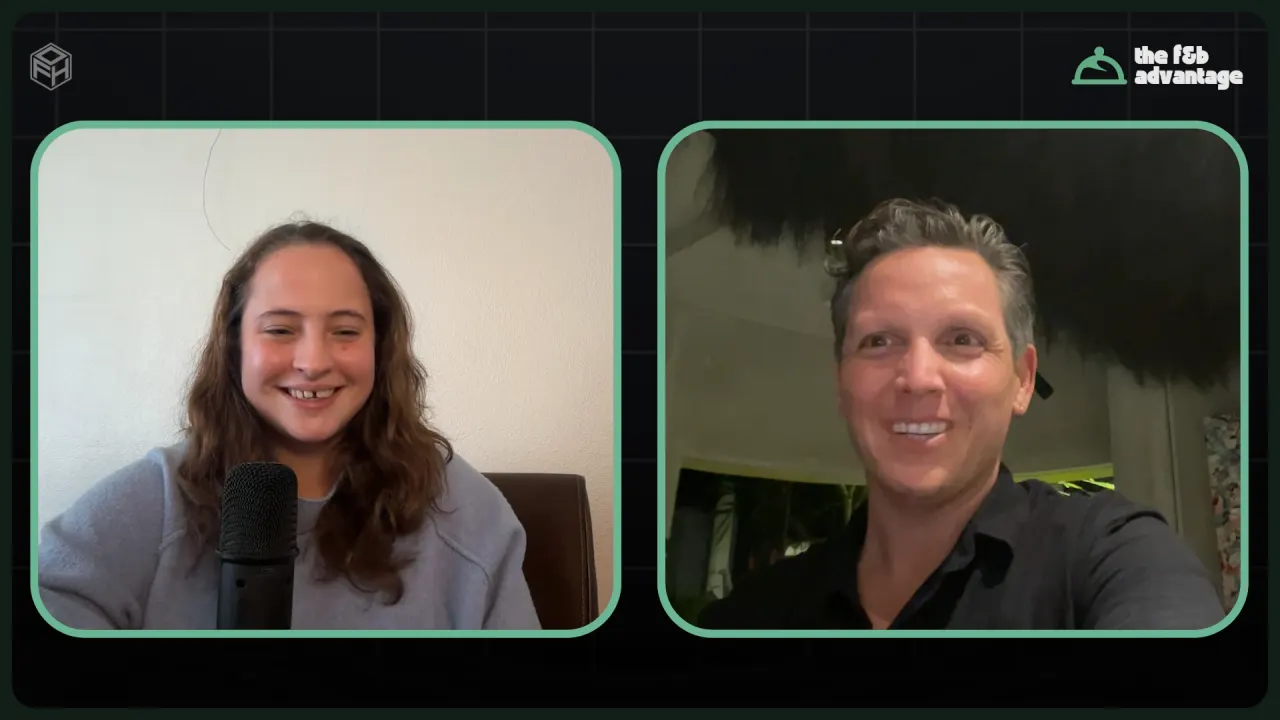
That is how Syrco Bakker, Chef & Co Owner, describes it. He took charge of a kitchen at 25, built it into a two Michelin star restaurant and later opened a new concept in Bali. His lessons apply to chefs, restaurant owners and F&B leaders.
Build a sandbox where cooks can bring their own knowledge
Everyone in a kitchen arrives with experience. It can be a family recipe, a way of cooking duck learned at another restaurant, or a technique picked up somewhere else in the world. Syrco believes a kitchen gets stronger when people feel free and confident to put that knowledge on the table and to give honest feedback on each other's dishes.
In practice, if a cook learned a dish in a different way, they try both and see which is better. If someone brings their grandmother's recipe, it gets cooked too.
In Bali this became a routine. Every two months the team holds a jam session where they cook classic Indonesian dishes such as rice dishes, pepes, sotos and sambals. Some of those preparations end up in the restaurant's own dishes. An R&D chef keeps developing techniques alongside, and Syrco is open about the pace: some creations take a year, some a week.
Set clear boundaries and step up when service gets busy
Creative freedom is only half of the picture. Syrco describes his current approach as setting the boundaries very clearly and creating a box where everybody can play. The sandbox has walls, and they matter most during service.
When the restaurant is full and people feel unsure about how the evening will go, he believes the head chef has to show leadership: take control, ask everyone to do their own job and get through it together. Telling the team to do whatever they want at that point, in his words, turns it into a mess.
The other wall is communication. Syrco says a lot is possible when communication is right and everybody is honest. What disappoints him are surprises: things that go wrong because they were not communicated, when they did not have to go wrong at all.
Kitchen leadership means questioning yourself first
Responsibility starts with the leader. Syrco says it is easy to blame your team or individual team members. His habit is to ask first whether he did everything to make it right. If the answer is no, the fix is on his side, for example:
- an extra or better briefing before service
- additional training on the part that went wrong
- more moments of communication during the week
- sharing worries and opportunities openly, for example before the lower season months, so everyone understands what the company is going through
He learned this early. During an internship at a top restaurant, the chef held him responsible for an evening when a teammate dropped the ball. The lesson stuck: when something goes wrong in your section, you are the one the seniors speak to, so you are also the one who tells your team what was good, what was not and where to pay attention. It is leading by example in the workplace, starting in your own section.
Support goals that belong to the team member
The industry needs leaders who support the goals of every team member, in Syrco's view. At his previous restaurant he set up development programs. In Bali he noticed something different: some people are happy with the job they do, do not want a promotion and prefer less stress. He says that deserves respect, and that it gives a company stability. The same balance between stability and growth shapes hotel restaurant management with seasonal teams.
For those who do want to grow, his method is simple. He asks what they want to achieve, which steps they want to take, on what timeline, and where they need his help. That support can be technique, managing a kitchen, marketing or cross training. The ownership stays with the cook.
“The team member has to be in charge and is responsible for their own dreams.”
Syrco Bakker, 42:07
A leader, he adds, should not hold someone's hand all the time. His role is to remind people of the goal they named themselves, in their words rather than his.
Lead through reinvention with patience and data
Reinvention tests a leader more than a promotion does. Syrco became head chef at 25 and admits some people thought he was too young. Looking back, he sees that moment as less risky than moving to Bali, because he had nothing to lose then.
“I just learned by doing. I made mistakes. I learned from it, and I moved on.”
Syrco Bakker, 21:09
After thirteen years in the same kitchen, he felt the logical next steps of a chef's career were no longer giving him energy. He chose a sidestep instead: a new country, new people and new products, so he could take bigger steps forward again in line with his values. Leading a team through that kind of change also meant building the market from scratch. The first year was about getting the word out in every direction and collecting data on what worked. The second was about partnerships with hotels, restaurants and companies with the same philosophy. Hotels that want to run hotel F&B like a restaurateur can learn from that approach. In the third year the team focuses on the market they now understand best, with Jakarta, Singapore, Hong Kong and Australia named as focus markets.
What ties this to kitchen leadership is pace. Syrco wants his management team to keep control of its own pace, so partners do not slow them down, and to take every necessary action so that after a month or a quarter nobody regrets an action they did not take. More on this theme in The F&B Advantage series.
Keep the purpose without lecturing the guest
A restaurant with a purpose still has to deliver a great evening first. Syrco's kitchen works with traceable and local products, long term relations with producers, development programs for the team and choices about waste management, yet he is clear that the purpose comes second. The main goal is that guests leave wanting to come back for the food, the drinks and the experience.
“People are coming to a restaurant and not to a lecture. They don't come to school.”
Syrco Bakker, 29:55
In kitchen leadership terms, this is also a message to pass on to the team: build a healthy company first, fill the restaurant, and use that base to work toward the sustainability goals. If you want the full story of his move from Michelin kitchens to Bali, watch the full conversation.
Frequently asked questions
What is a sandbox culture in a professional kitchen?
In Syrco Bakker's words, it is a box where everybody can play. Cooks are free to bring a family recipe, a technique from another restaurant or honest feedback on a dish, while clear boundaries keep roles and service standards firm. The freedom sits inside the box, and the leader decides where its walls are.
What does kitchen leadership look like during a busy service?
Syrco's view is that a busy service is the moment to step up and lead. When the room is full and people feel unsure, the head chef takes control, asks everyone to do their own job and steers the team through it together. Leaving everyone to do whatever they want at that point, he says, turns service into a mess.
How do you develop cooks who do not want a promotion?
Respect it. Syrco noticed in Bali that some people are happy in their role and do not want more responsibility or stress, and he says that gives a company stability. For those who do want to grow, he asks about their goals, steps and timeline, then supports them with technique, kitchen management, marketing or cross training.
Should a fine dining kitchen explain its sustainability story to guests?
Only lightly, in Syrco's view. The main goal is that guests leave wanting to come back for the food, the drinks and the evening. If the restaurant can also raise awareness about choices and consumption in a deeper layer, that is extra. Guests come for a dining experience, not for a lecture.