Restaurant expansion: how to grow a concept to new cities
Alon Shkuri · 20 Oct 2026 · 6 MIN READ
Restaurant expansion looks simple from the outside: a concept works in one place, so you open a second, then a third. In practice, every new site tests whether the idea, the service and the numbers still hold when the founders are no longer on the floor every day. Which cities fit, what makes a site right, and how do you keep a lower average spend profitable?
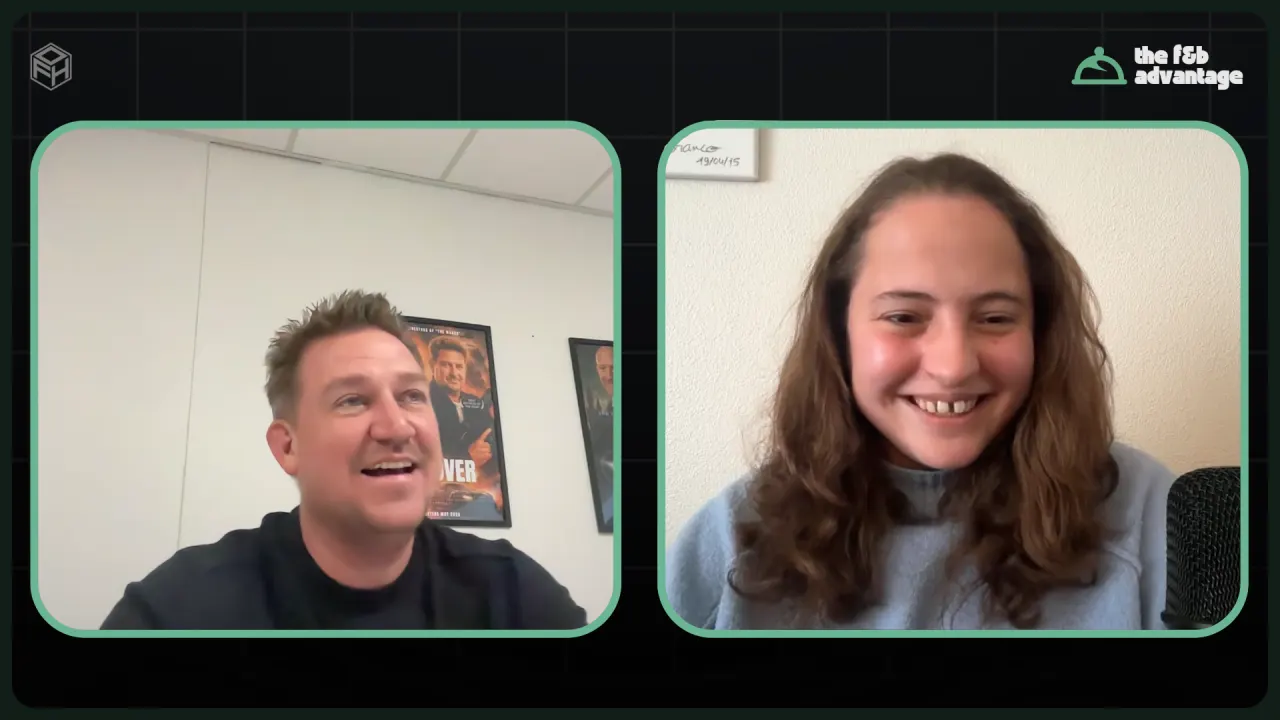
Michiel Huisman, CEO of Teds, has worked through those questions for ten years. The all-day brunch concept he built with his wife started as one restaurant and has grown to almost 16 locations. In his view, most of the work sits in location choice, service plans and people.
When a concept is ready for restaurant expansion
In Huisman's experience, the start was slow while people got to know the concept, and then it gained traction. The real test came after that: would guests still come six months later, or would the hype fade? They kept coming, and only after the first summer did the team decide to try a second city.
That second step taught a lesson that applies to any operator. In Utrecht, the second location, the team found that guests did not know what French toast was. A menu that worked in Amsterdam did not translate one to one. Not everything works the way it works in your home city. Only when the second site also gained traction did they open another.
- Wait until demand holds after the opening buzz, not just during it.
- Treat the second city as a test of the concept, not a copy of the first site.
- Expect local differences in what guests know and order, and adapt the offer.
Choosing cities and sites for a new location
A clear city filter keeps restaurant expansion from becoming a string of opportunistic deals. Huisman's team works from a list of cities where they want to be. Those cities need 100,000 inhabitants or more, and the relevant target groups have to be there: young people, and a university. For an eat-in concept, the busiest shopping street is not automatically the best address.
Within a city, a site has to pass two tests. The first is soft: when you walk in, it should have its own feel and not be an average space you can find in many places. The same holds for a rooftop bar concept that wants to win over locals. The second is hard: rent, seats and square metres have to add up. He adds two wishes.
“It needs to be on the corner. It needs to have a terrace.”
Michiel Huisman, 24:51
A second site in a city where the brand already operates is an option, not a rule. At the time of the conversation, the group was about to open new locations in Amsterdam and Breda, both cities where it already had one. After an opening, the team invites influencers and guests to share their opinion online.
Average spend, seats and volume
Evening restaurants, in Huisman's description, aim for an average spend of roughly 50 to 100 euros. A daytime concept sits lower, because guests perceive lunch as cheaper than dinner, regardless of how much they eat. His brunch restaurants aim for about 25 euros per person.
A lower spend means you need more quantity to reach your revenue goals. At some locations, especially at the weekend, every seat is filled at least four times. That only works when the menu and the service flow are designed for it, so dishes that proved impractical or too slow to prepare have been dropped over the years. Plates should look good enough to photograph, yet the kitchen cannot spend ten minutes on each one, or guests start to complain about the wait.
Turning the guest journey into a service plan
According to Huisman, the team began by writing down the ultimate guest journey and then turned it into a service plan with measurable steps. One example: every guest should have a drink within three minutes. With a menu offering twelve types of coffee and no fully automatic machine, a group of eight ordering eight different specialty coffees will not have them on the table that fast. So staff ask for the warm drink and also offer water straight away, so everyone has something while they wait. A well designed QR code menu can support that pace without replacing the welcome.
His point is that every choice has an impact on other choices. The plan is challenged every month, because things go wrong in any restaurant that works with people, food and guests.
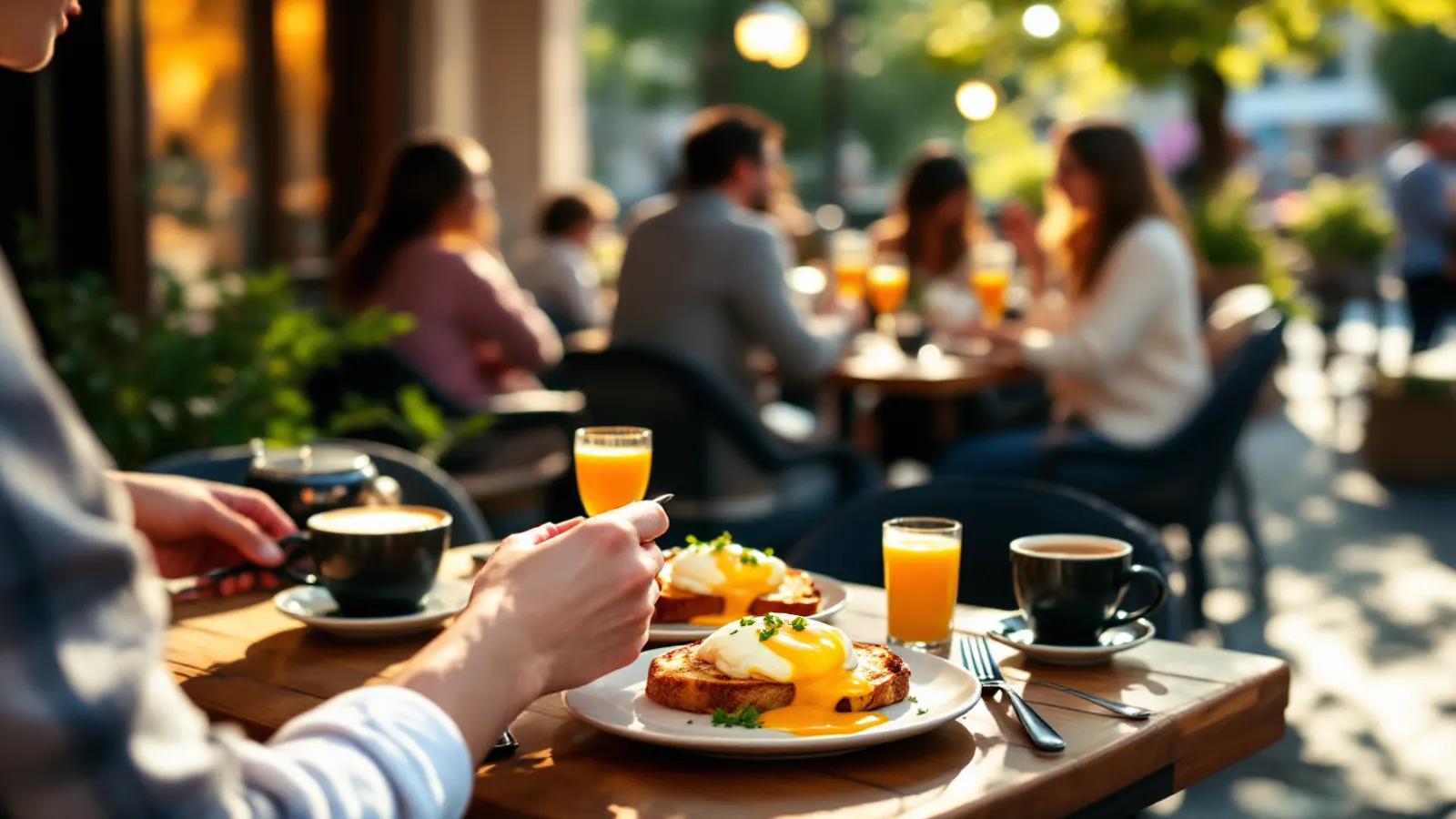
Standards also cover the plate. Poached eggs should be runny; if one goes out overpoached, the team takes it back and offers new eggs.
A management structure that scales
As the group grew, it invested heavily in its organisational structure. Each location has a location leader and a number of shift leaders, and a regional manager challenges the location leader to make sure the processes are followed. Short e-learnings and service trainings at the locations support this.
“Then every month or six weeks, we have all the managers come back, and we'll have specific talk topics that we'll discuss with them.”
Michiel Huisman, 25:42
Managers also exchange information among themselves there. At the same time, Huisman wants every location to have its own identity instead of being a complete copy of the last one. Small details carry the brand: an informal tone, and music a little too loud rather than too soft. Hotels can learn from this when they run hotel F&B like a restaurateur.
People, motivation and repeat visits
For Huisman, staffing is the deciding factor in restaurant expansion, and the biggest worry for the industry. He cares less about technical skills than about intrinsic motivation, because only motivated people can look guests in the eye and make a real connection.
Busy locations are hard work, so he advises against letting staff work six or seven days a week. When people asked to work full time in three or four days, he saw their connection with guests go down.
In his view, people return for a smile, the first welcome, a small surprise and a proper goodbye. A smile alone only works for people who are in the area, though. To make guests travel by bike, car or train, there has to be something special on the table as well.
“If you have generic food and service, then people will still come back to you whenever they are around, but they won't step in the car, come up, and to have an average whatever dish they can have anywhere else.”
Michiel Huisman, 30:29
Watch the full conversation or explore more food and drink episodes in The F&B Advantage.
Frequently asked questions
How do you plan restaurant expansion to a new city?
In Michiel Huisman's approach, you start from a fixed list of cities that fit the concept: 100,000 inhabitants or more, young people and a university. Then you look for a site that has its own feel and also meets the hard requirements on rent, seats and square metres, ideally on a corner with a terrace. You add one location at a time.
How long should you wait before opening a second restaurant?
His account gives no fixed period, but the signal is lasting demand. The first restaurant took a while to gain traction, and the team then waited to see whether guests kept coming once the early hype was over. Only after the first summer did they test a second city, and they added more sites once that one also gained traction.
How can a restaurant with a low average spend be profitable?
Through volume. A daytime concept aiming at about 25 euros per person needs more guests than an evening restaurant at 50 to 100 euros. That calls for a menu and a service flow built for turnover, plates that look good without slow plating, and at busy locations every seat filled several times a day, especially at the weekend.
How do you keep service consistent across several locations?
Write down the ideal guest journey and turn it into a service plan with measurable steps, such as a drink within three minutes. Support it with location leaders, shift leaders and a regional manager, regular trainings, and manager meetings every month or six weeks. At the same time, leave room for each location to keep its own identity.