






















Food delivery to hotel room orders: how hotels get it right
Alon Shkuri · 20 Oct 2026 · 6 MIN READ
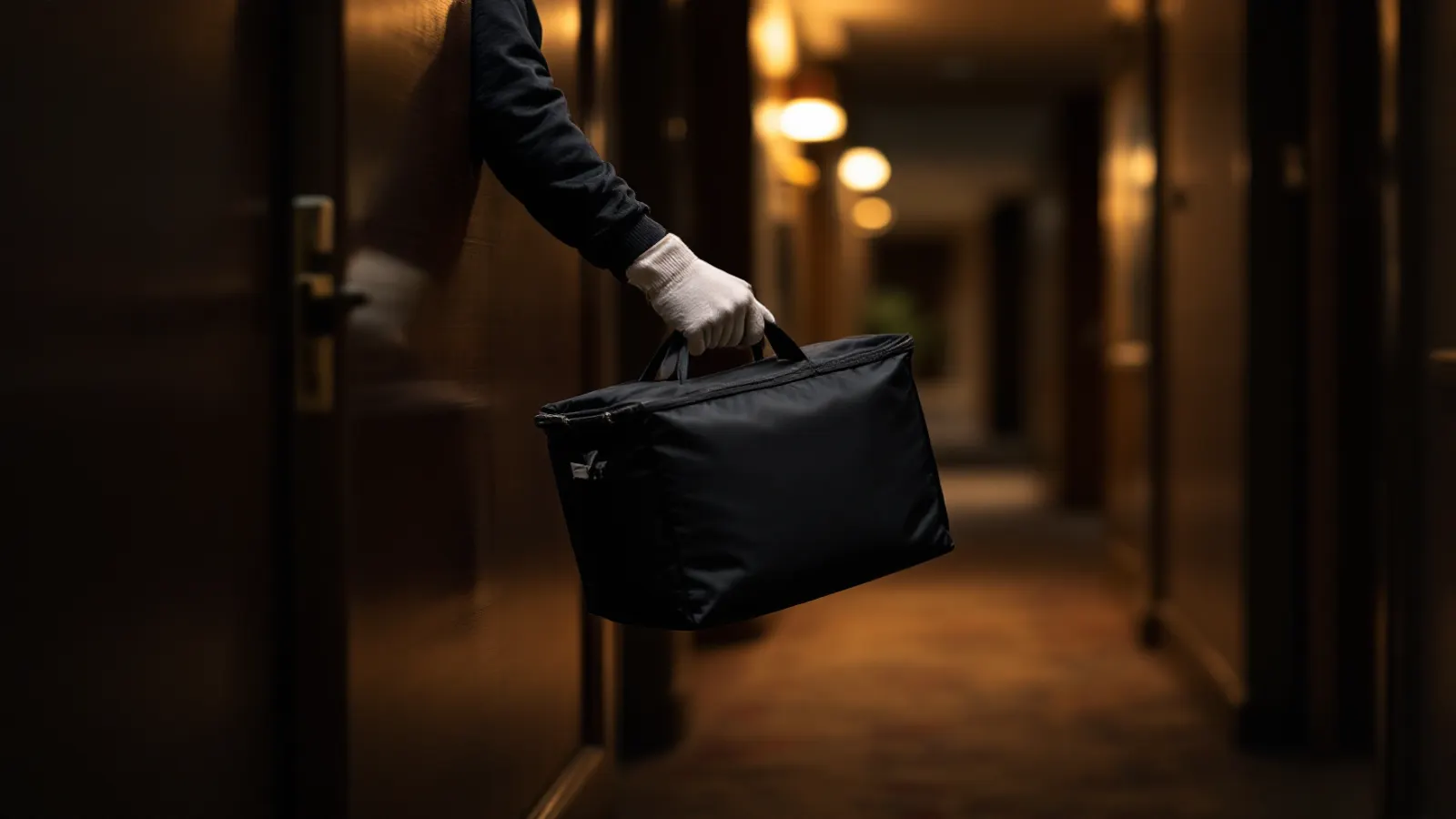
A guest arrives late, the hotel kitchen is closed, and they open a delivery app. What follows is often messy: a courier at reception, an order under a name the front desk does not recognise, and a hungry guest waiting upstairs. Food delivery to hotel room orders are now part of almost every city stay, so the real question for a hotel is not whether it happens, but how to run it well.
Sanne Feiken, COO of RoomDelivery, a platform in Amsterdam that lets hotel guests order from local restaurants, works on exactly this problem. Her view is that hotels gain more by organising delivery than by resisting it.
Why food delivery to hotel room orders ends up at the front desk
In Sanne Feiken's account, the idea for her company started with a simple observation in daily hotel operations. For every 100 hotel rooms, 15 to 20 couriers a day walked up to the front desk, uncoordinated and uninvited, carrying orders from different platforms.
The trouble is not only the queue. Orders often cannot be matched to a room. A couple books the room under one name and places the food order under another, so the courier arrives with a bag the front desk cannot connect to any guest. The order stands at reception while the guest waits. Couriers walking in and out all day also change how the hotel looks to other guests, which she describes as damage to the brand.
Some hotels respond by trying to ban delivery couriers altogether. In her experience that is almost impossible. Guests want the food, and they will order it anyway.
Why hotels are scaling back their own kitchens
The demand for delivery grows at the same moment that many hotels cut back on food and beverage. Sanne Feiken points to the pressure hotels are under: financial pressure, rising F&B costs, VAT regulations and labour shortages. Together, she says, they make it extremely difficult to run an F&B operation, and some hotels drop it almost completely. A related article looks at hotel F&B through a restaurateur's eyes.
That does not mean the guest stops being hungry. Guests still want food, just delivered in a different way. Her argument is that a well organised delivery service lets a hotel hand over the operational burden while still offering a good service, and earn a new revenue stream through commissions without adding overhead. She sees it less as a convenience and more as a strategic response to changes in the market.
Even hotels with a good restaurant face a gap. A guest may not want the burger on the hotel menu. They may want pizza or sushi, or breakfast because they slept in and missed it. A delivery model offers more choice across the whole day instead of at fixed times.
How to organise food delivery to hotel room service
The core idea, in Sanne Feiken's words, is an ecosystem that works for hotels instead of around them. In practice the setup she describes has a few clear parts:
- QR codes in the room or at the front desk, so guests can order from their phone through an app or a web version.
- A notification at reception for every order, so the front desk knows which room it belongs to before the courier arrives.
- A notification to the restaurant, which starts preparing the order straight away.
- Couriers trained to enter hotels, with a delivery route the hotel chooses itself.
- The option to list the hotel's own restaurant at the top of the menu, with no delivery cost for the guest.
The point of linking every order to a room is that nothing ends up at the desk without an owner. According to her, this is what hotels react to most positively: the orders are linked to the guests and the rooms, so the whole process is streamlined. Some hotels now mention the service to guests at check-in. A related article looks at online check in for hotel guests.
Train couriers to behave like part of the hotel
A courier who walks into a lobby is, for a few minutes, part of the guest experience. Sanne Feiken's company therefore uses its own couriers instead of anonymous riders.
“We have our own couriers, especially trained to enter hotels. They get a communication training, being trained how to enter a hotel, not sweaty.”
Sanne Feiken, 5:53
The couriers wear black clothes and carry a standard bag in green or orange. Each hotel decides during onboarding how orders should arrive: through the back door, at reception, or straight up to the room. As she puts it, it is not one size fits all, because every hotel has different preferences. That choice is worth making deliberately, since it decides how visible delivery is in the lobby.
Choosing restaurants and protecting the hotel brand
An open marketplace where every restaurant can join does not suit a hotel. Sanne Feiken describes a different approach: restaurants are handpicked, based on reviews and on the concept they offer.
“We wanna create value. We wanna create a premium service quality. We wanna create a local ecosystem around hotels.”
Sanne Feiken, 15:30
Curation does not mean only fine food. The offer also includes the midnight pizza and the late kebab, for guests who come back after a long day in the city or a festival. Hotels can exclude restaurants during onboarding to protect their own proposition. A hotel that serves sushi, for example, can keep other sushi places out of the app.
The commercial model matters too. In her description, the platform sits between the guest and the restaurant, takes a small percentage and shares it with the hotel, so the hotel earns a commission on every order. There are no binding contracts, which she frames as keeping it honest, transparent and fair. Bundling extras with the stay is the subject of a related article on hotel packages that sell experiences.
Where food delivery to hotel room ordering is heading
Sanne Feiken expects the service to grow beyond food. Guests already ask whether they can order wine or a taxi. The plans she mentions include:
- Tickets for events, concerts and museums, the next module on the agenda.
- Wellness and gym access during the stay.
- Guest essentials for the things people forget to pack.
Her broader view is that the future is digital. Guests are used to ordering everything online with same day or even half hour delivery, and some hotels already remember a returning guest's room temperature and lighting. She calls AI in this field inevitable.
Yet she does not think technology replaces people. Hotels now have check-in machines and even holograms at the front desk, and she has seen robots deliver room service. Her company still offers personal support whenever restaurants are open, because so much service today means talking to a chatbot.
“I think still personal service is very important, and we cannot overlook that.”
Sanne Feiken, 23:51
For hotels, that balance is the real lesson: make ordering digital and seamless, and keep the human part where guests notice it. You can watch the full conversation for her complete account of how the service started in Amsterdam.
Frequently asked questions
How does food delivery to hotel room ordering work?
In the setup Sanne Feiken describes, the guest scans a QR code in the room or at the front desk and orders through an app or web page. The restaurant and the reception both get a notification, so the order is linked to the right room. A trained courier then delivers it the way the hotel has chosen, at reception, through a back door or at the room.
Why do some hotels try to ban delivery couriers?
According to Sanne Feiken, many hotels see 15 to 20 couriers a day per 100 rooms walk in uninvited, with orders the front desk cannot match to a room. Couriers going in and out all day can also hurt the brand. In her experience a full ban is almost impossible, because guests keep ordering, so organising delivery works better than blocking it.
Can a hotel earn money from guests ordering food?
Yes, in the model she describes. The platform takes a small percentage of each order and shares it with the hotel, so the hotel earns a commission on every order its guests place. There are no binding contracts. Hotels can also list their own restaurant at the top of the menu and exclude restaurants that compete with their own offer.
